Powered by Network Solutions: How to automatically install WordPress to a subdomain
As your web presence increases, you may require the addition of subdomains for your website. Subdomains help you organize your content and provide additional advantages with navigation. Subdomains are like children to your parent or top-level domain. You can put a page of your site into a subdomain, like shop.domainname.com. In some cases, customers create a separate website and put it in the Subdomain.
In this article, we will guide you through the following:
Setting up a subdomain
- Log in to your account via https://www.networksolutions.com/my-account/login.
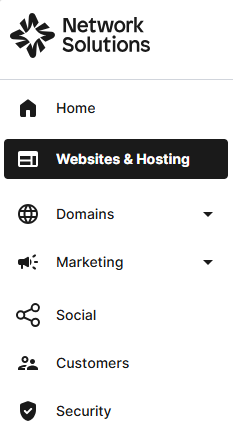
- Click Websites & Hosting from the left navigation menu.
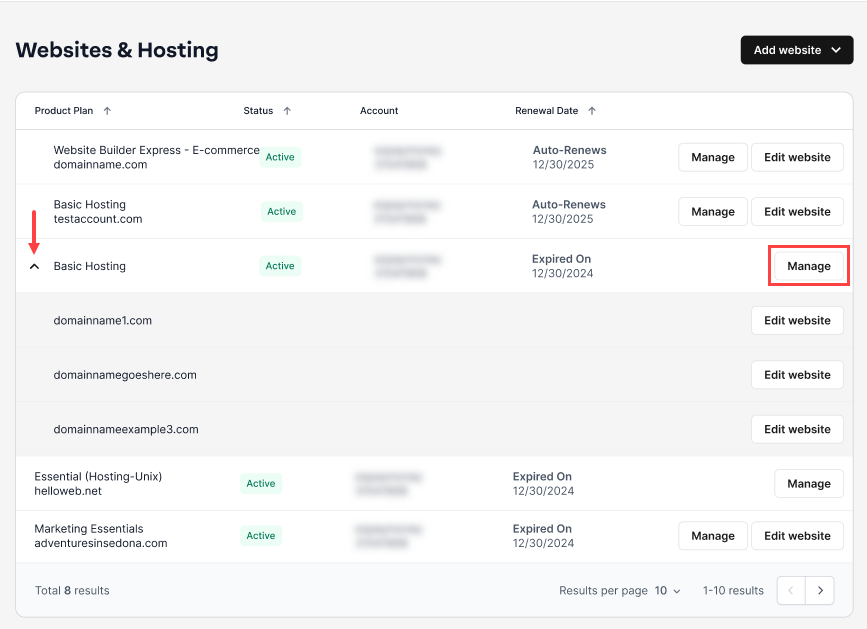
- Navigate to the hosting package that you want to access with Website Builder, then click Manage to continue.
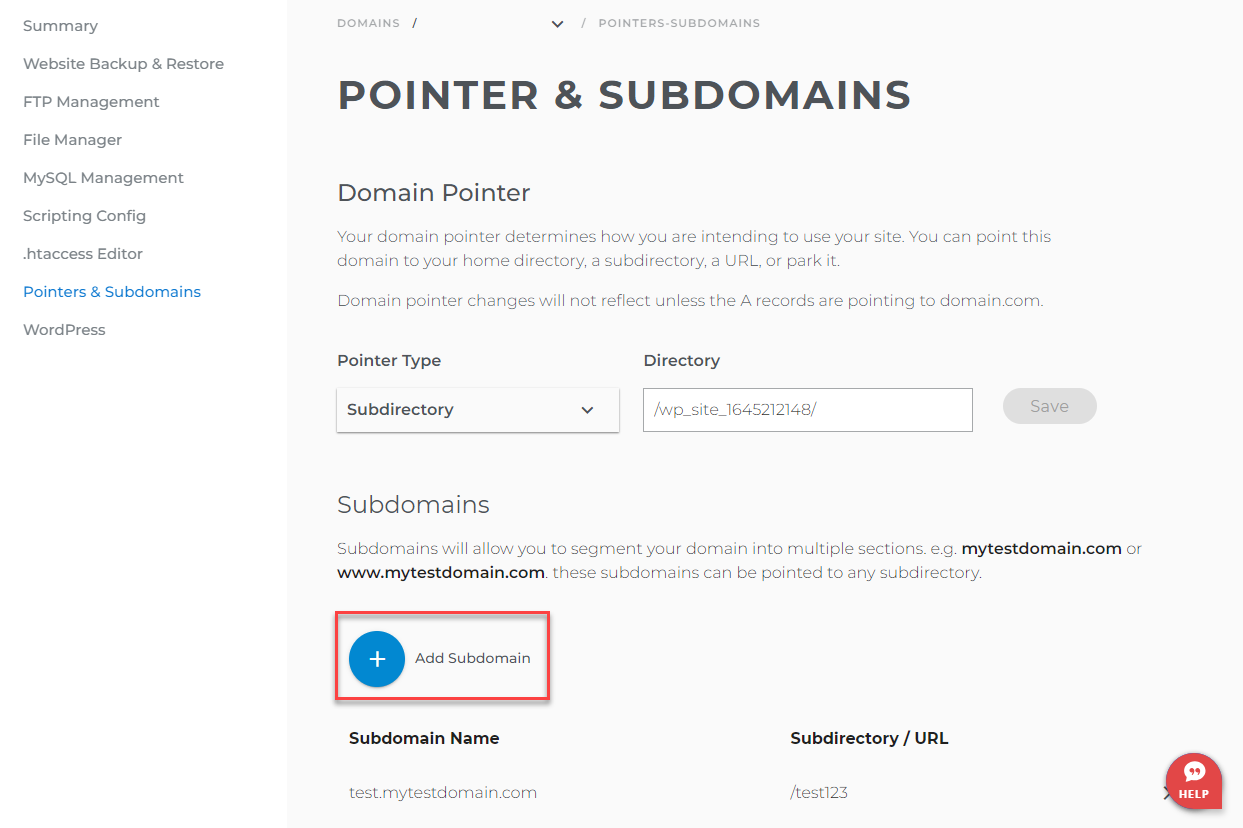
- On Pointers & Subdomains in the left-hand menu, click on + Add Subdomain.
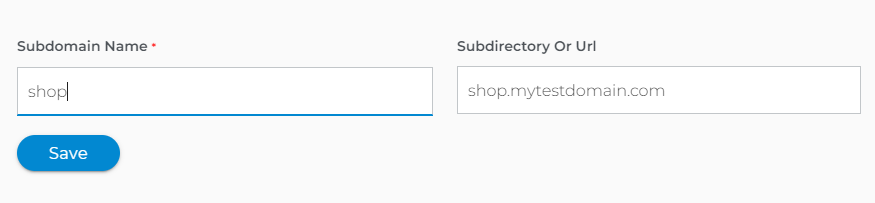
- Type in the subdomain you want to add. Hit SAVE.
Installing WordPress
- Log in to your account via https://www.networksolutions.com/my-account/login.
- Click Websites & Hosting from the left navigation menu.
- Navigate to the hosting package that you want to access with Website Builder, then click Manage to continue.
- Select Pointers & Subdomains, and click on the gear icon on the right under your new subdomain.
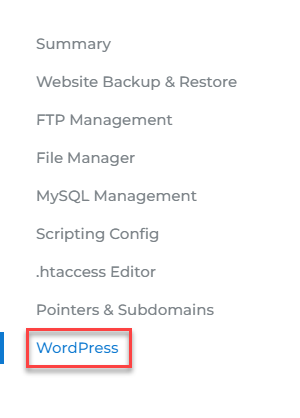
- Click on WordPress on the left after selecting the subdomain you created.
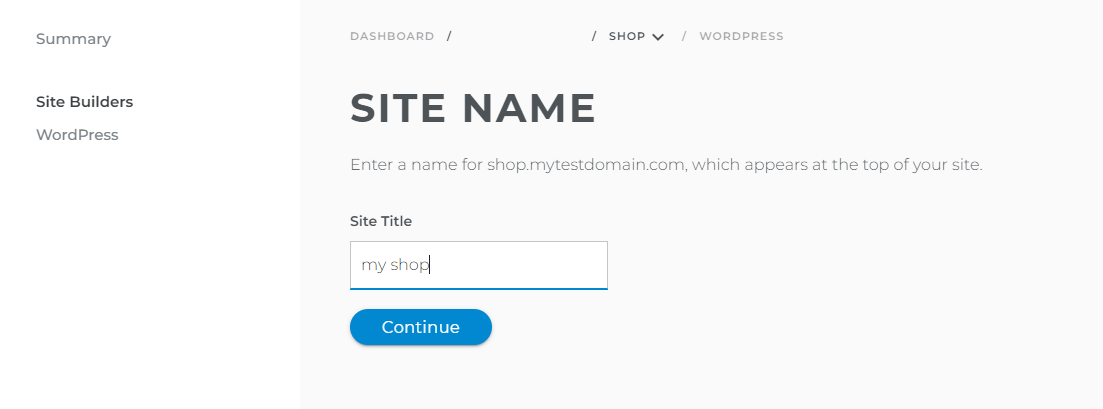
- Type in your site name. Hit Continue.
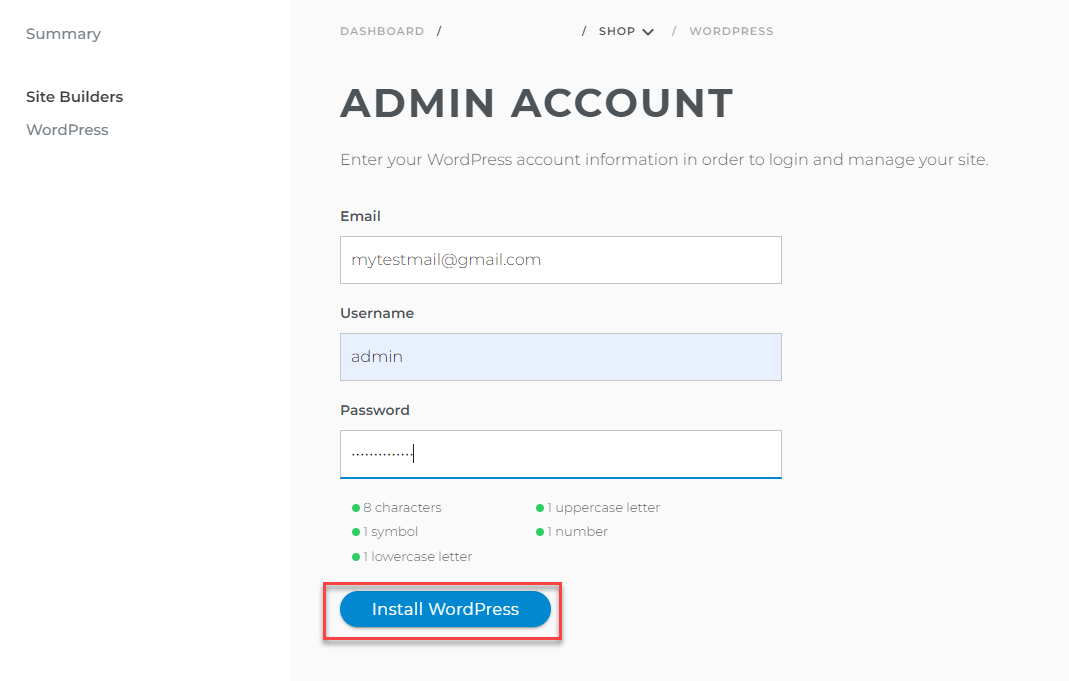
- Add in email, username, and password, and click Install WordPress.
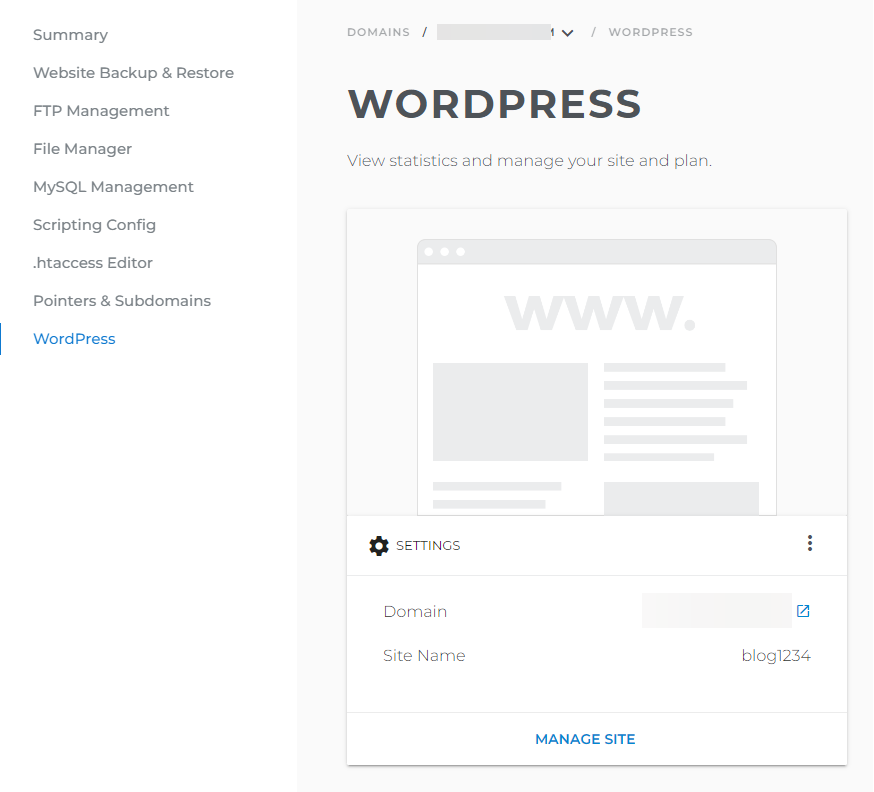
- WordPress will prompt the installation. Click MANAGE SITE to start building.
Review
This step-by-step guide effectively addresses a common, high-value technical task: creating a subdomain and auto-installing WordPress through the Network Solutions Foundation control panel. The article opens with clear, beginner-friendly context explaining what subdomains are and why site owners use them (e.g., shop.domainname.com). By breaking the technical execution into two distinct phases—subdomain creation and automated script installation—the guide simplifies account management, reduces technical setup errors, and minimizes support ticket volume for domain routing and CMS installations.
Get practical tips and product updates on LinkedIn.
Follow Network Solutions