

Key takeaways:
- Although most people prefer short content, long-form content is still important.
- Long-form content lets you explain topics with thorough detail and elaboration.
- With the right approach and planning, you can make your own comprehensive long-form content.
Many people prefer short content since it’s brief and easy to understand. Yet, the reality is that long-form content remains just as important, and businesses need to understand the reasons why.
Let’s explore the significance and relevance of long-form content to your brand. We’ll also provide examples of excellent long-form content and explain why they work.
What is long-form content?
Long-form content is any piece of content that is longer and more detailed than typical short-form content you find on social media. These include different forms of media such as:
- Blogs articles
- Videos
- Podcasts
- E-books
What sets it apart is its comprehensive nature, providing a detailed and complete view, and it typically contains more than 1,000 words (although some sources estimate it at around 1,500 words minimum).
Long-form vs. short-form content
While both short and long content play important roles, they serve different purposes:
- Short content: It is a type of content that’s typically under 1,000 words. It’s for readers who want quick information at a glance. Common examples include social media posts and news updates.
- Long content: Long-form content is more in-depth. With more than 1,000 words, you can have detailed analysis, explanations, and real-life examples. If you have complex topics that need thorough elaboration, long-form content is your best tool.
Why long-form content works
Long-form content works because search engines and readers value depth and detail. Industry studies indicate that longer, more comprehensive posts tend to rank higher in search engine results, particularly for informational queries where users seek complete answers rather than brief summaries.
Research shows that long-form content tends to perform better in search rankings. For example, Backlinko’s analysis of Google’s first page found that the average word count of top-ranking pages was approximately 1,447 words, indicating that more comprehensive articles often satisfy the search intent more fully and are therefore more likely to rank well.
For content marketers, this reinforces the importance of prioritizing content quality over quantity, especially when creating resources intended to remain relevant over time.
Depth is where long-form content creates real value. While short-form content works well for surface-level topics, it often falls short when a subject matter requires context and thorough explanation.
Subjects in critical areas such as business, marketing, health, and science are inherently complex. These topics involve nuanced considerations that cannot be meaningfully addressed in a few paragraphs.
Long-form content creates the space to explore those elements in one place. Instead of forcing readers to jump between multiple pages to fill in gaps, in-depth content helps them understand the topic more clearly in a single article. From a search perspective, this completeness helps a page better satisfy user intent, which increases its chances of ranking for a wider range of related queries.
Longer content also supports stronger engagement signals. When readers find thorough, well-structured information, they tend to spend more time on the page and engage more deeply with the content. Over time, this makes your articles more likely to attract backlinks, gain visibility, and continue driving traffic long after they are published.
Short-form content still has its place, especially for quick, high-level posts. But when the goal is education, influencing decisions, or building authority, long-form content is effective because it delivers depth and lasting value that shorter pieces cannot provide.
8 examples of long-form content
Long-form content is widely used across different industries. Discover the different real-life examples and understand why they work:
The Verge – Guide to the iPhone
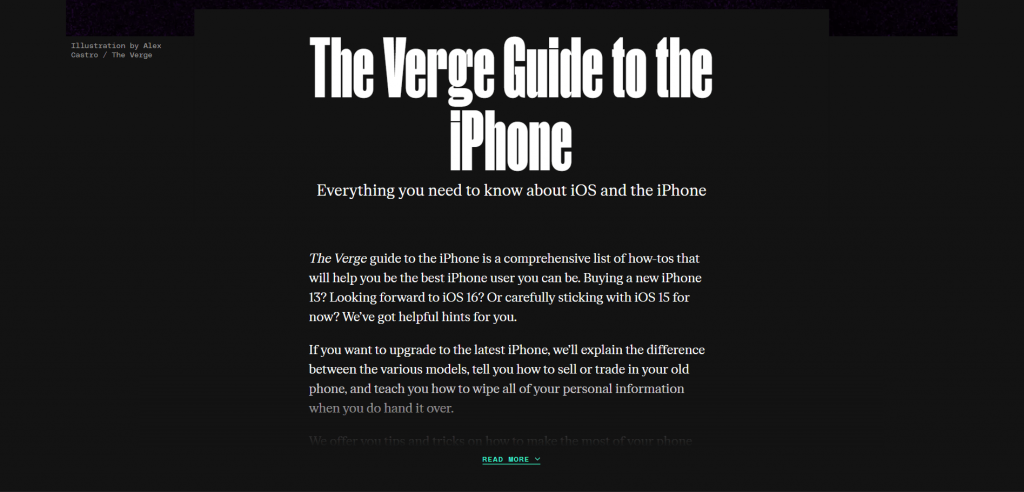
The Verge provides an extensive guide covering every aspect of the iPhone, from its history to detailed reviews of the latest models, tips, and tricks.
Why it works: The iPhone constantly evolves, and a long-form guide allows detailed, thorough insights into its history, latest models, and advanced features. Its comprehensiveness appeals to both new users and tech enthusiasts who want in-depth analysis for their reference.
David Houle and Jonathan Fleece – The New Health Age: The Future of Health Care in America
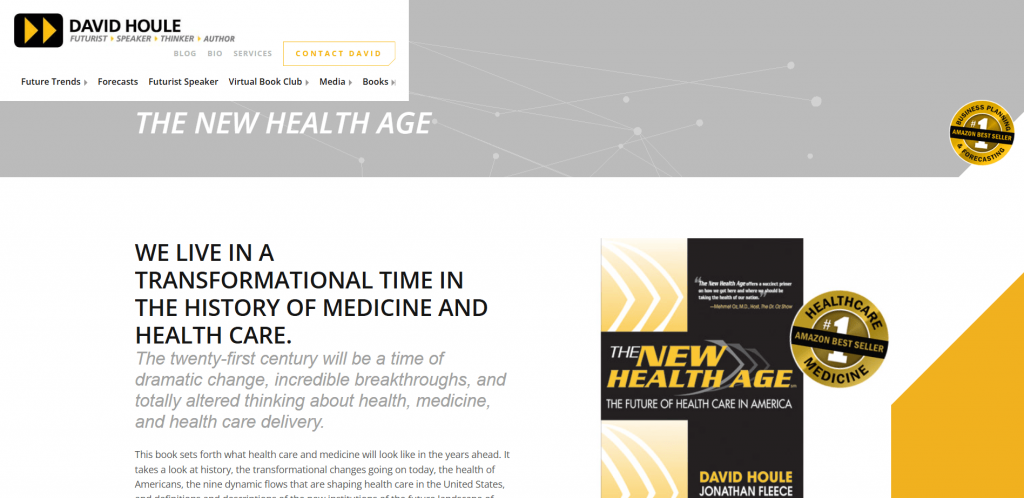
David Houle and Jonathan Fleece’s comprehensive book discusses the future of healthcare in America, touching on technology, policy, and healthcare systems.
Why it works: Healthcare is complex and evolving. It requires careful policy examination and technology review. This book offers readers a chance to understand the future of healthcare in detail while providing actionable knowledge for professionals and consumers.
Michael Lewis – The Big Short: Inside the Doomsday Machine
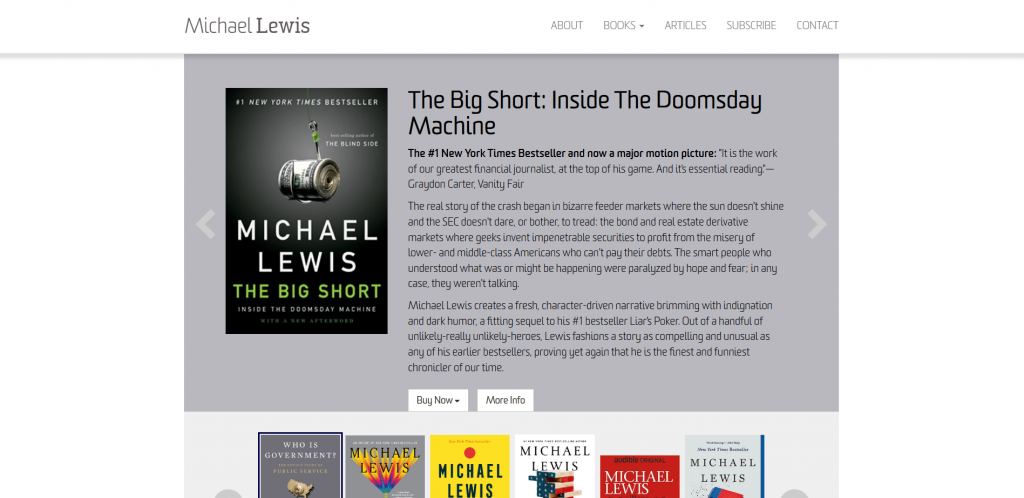
Michael Lewis delves into how the housing and credit bubble developed during the 2000s, ultimately leading to the financial crisis of 2007-2008.
Why it works: The 2007-2008 financial crisis can be difficult to understand without an in-depth explanation. From examining the root causes to analyzing the consequences, Michael Lewis’s book goes beyond surface-level reporting, offering insightful details for readers who want to understand the intricate financial world.
The New York Times – 36 Hours in [City] series
![Example long-form content - The New York Times – 36 Hours in [City] series articles](https://www.networksolutions.com/blog/wp-content/smush-webp/2026/01/long-form-nytimes-1024x497.png.webp)
The “36 Hours in [City]” series of articles by The New York Times provides detailed itineraries for 36-hour stays in various cities around the world, combining culture, cuisine, and attractions.
Why it works: For travelers, 36-hour itineraries offer more than just a list of attractions—they provide a curated experience that blends local culture, cuisine, and landmarks. The long-form format gives readers the complete picture to help plan meaningful trips.
Digital Media and Learning Research Hub – The Digital Transformation of Education: Connected Learning
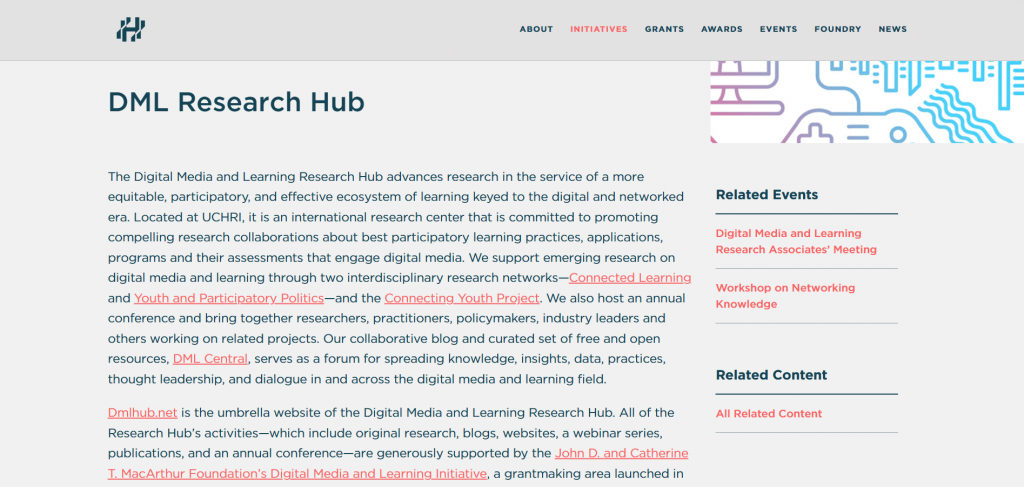
Digital Media and Learning Research Hub’s extensive report elaborates on how digital technology is transforming education and learning practices.
Why it works: Education is undergoing rapid change due to digital technology. A long-form report allows experts to explore the many dimensions of this transformation, offering readers a comprehensive understanding of how connected learning is reshaping the educational landscape.
R.J. Cutler – “The September Issue” Documentary

“The September Issue” is an in-depth documentary film with an inside look at the production of Vogue magazine’s September 2007 issue, one of the fashion industry’s most influential publications.
Why it works: Fashion is about more than just the latest trends—it’s an industry driven by creativity and storytelling. A documentary like The September Issue provides an in-depth, behind-the-scenes look at one of the most influential publications in the fashion world. It’s a long-form video content, providing viewers with a rich and immersive experience.
Samin Nosrat – Salt, Fat, Acid, Heat: Mastering the Elements of Good Cooking

This book by Samin Nosrat explores four basic elements of a good dish while explaining the science of cooking in an accessible way.
Why it works: Cooking is both an art and a science. Samin Nosrat’s book provides readers with a thorough understanding of cooking principles that will serve them in the kitchen.
Entertainment Weekly – Breaking Bad: An Oral History

Entertainment Weekly’s feature offers a comprehensive look at the making of the TV show “Breaking Bad,” with insights from the cast and crew.
Why it works: “Breaking Bad” goes beyond being a TV show, and Entertainment Weekly provides fans with a rich look at the show’s creation and impact, satisfying casual viewers and die-hard fans who want insider knowledge.
Long-form content formats
Long-form content is not limited to written articles. It can take many forms, each offering a different way to explore a topic in depth and engage an audience. Depending on how your audience prefers to consume information, long-form content may be text-based, visual, audio-driven, or interactive.
Below is a high-level overview of the most common long-form content formats, along with an explanation of each one and its typical usage.
- Blog posts
- Feature articles
- Research papers
- E-books
- Documentaries
- Podcasts
- Infographics and visual data representations
- Interactive content
Blog posts
These are typically text-based and can range from detailed analytical pieces to narrative-driven works on a wide array of topics. Blog posts are known for their personal touch and conversational tone, making complex subjects easier to understand.
Feature articles
These are longer than standard articles. These often appear in magazines or online platforms with in-depth analysis, extensive research, and expert opinions on diverse subjects. They are well-structured and aim to provide a comprehensive view of the topic.
Research papers
These are academic or scientific work that elaborates on detailed studies involving extensive research, data analysis, and discussion of findings. They make significant contributions to knowledge in their respective fields.
E-books
These digital books cover topics in great depth. They are often used as educational resources or comprehensive guides on specific subjects.
Documentaries
This video-based content provides an in-depth look into a topic, often combining interviews, narrations, and visual storytelling. Documentaries are effective in illustrating complex ideas in an engaging and accessible manner.
Podcasts
These are audio programs that explore topics over single or multiple episodes. They offer a comprehensive discussion and are often conversational, featuring experts, interviews, and analyses.
Infographics and visual data representations
This is visual content that combines data and design to present information in an engaging and easily digestible format. They are often used to accompany longer text-based content.
Interactive content
This includes web-based content that encourages user interaction, such as interactive maps, timelines, or quizzes, to provide a more engaging and personalized learning experience about a topic.
8 benefits of long-form content for brands
Long-form content offers more than just space to explore a topic. When used strategically, it also supports multiple business objectives. Its value goes beyond a single campaign and can contribute to long-term brand growth.
Explore how integrating long-form content on your website and social media platforms can significantly benefit your brand.
- Strategic value for brands
- SEO and visibility benefits
- Establishing authority and trust
- Content versatility
- Building a content library
- Improved customer education
- Long-term traffic
Strategic value for brands
You demonstrate your commitment to comprehensive analysis and quality information when you write long-form content for users—helping you set yourself apart from the competition.
SEO and visibility benefits
Long-form content significantly boosts your brand’s SEO efforts because of its detailed and extensive nature. This engages readers longer, which search engines favor, leading to better search rankings and increased online visibility.
Establishing authority and trust
Long-form content helps position your brand as an expert in your niche. Providing thorough and insightful information can earn the trust of your audience, which is crucial for fostering long-term loyalty and engagement.
Content versatility
Long-form content can be repurposed into various formats, such as infographics, podcasts, and video snippets, to maximize your content’s reach across different platforms.
Building a content library
Long-form content contributes to building a substantial content library over time, which can become a valuable resource for both existing and potential customers seeking information.
Improved customer education
Comprehensive long-form content educates your customers more effectively, which can lead to better-informed purchasing decisions and increased customer satisfaction.
Long-term traffic
Short-form content often generates immediate but short-lived traffic. On the other hand, long-form content can attract visitors over a longer period thanks to its enduring relevance and depth.
How to make long-form content work on social media
Social media offers multiple ways to extend its reach, as long as the content is adapted to match how people consume information on each platform. You can repackage long-form content for social media in ways that feel natural, engaging, and easy to consume within social feeds.
Here are tips on how to make long-form content work on different social media platforms:
- Adapt for social media: Transform your long-form content for social media by breaking it into digestible posts, creating threads, or sharing key insights as teasers with links to the full article. This strategy engages the audience over time and maintains interest.
- Visualize content: Use graphics, infographics, or video snippets derived from your long-form content to capture attention on visually driven platforms like Instagram or Pinterest. This approach makes complex information more accessible and shareable.
- Serialize content: Consider serializing longer content into multiple parts to create anticipation and return visits. This approach works well on platforms like Twitter or Facebook, where ongoing engagement can be fostered over several posts.
- Use interactive elements: Incorporate polls, questions, or calls-to-action related to the long-form content, inviting interaction and discussion on social media platforms. This tactic boosts engagement and provides valuable feedback and insights from the audience.
- Host live sessions: Use platforms like Facebook Live or Instagram Live to discuss topics covered in your long-form content. This live interaction enables real-time engagement with the audience, adding a personal touch.
- Creating community discussions: Use long-form content to create discussion threads in online communities or groups, encouraging deeper conversation and engagement around the topics covered.
- Use stories and reels: Leverage Instagram and Facebook for short video formats, such as Stories or Reels, to highlight the most interesting parts of your long-form content and direct viewers to the full piece.
- Leverage ActiveCampaign insights: Drawing insights from resources like the ActiveCampaign glossary helps craft informative and optimized content for engagement, which fits seamlessly into a brand’s broader digital marketing strategy.
Evaluating your brand’s strategy for long-form content
Before producing long-form content, consider these several key factors you need to evaluate:
Checklist for determining suitability
- Does your industry lean towards complex topics that require detailed explanations?
- Is your target audience known for seeking thorough information?
- Do your marketing goals involve establishing thought leadership or enhancing SEO?
- Can long-form content provide valuable insights that your current content strategy is missing?
Key factors to consider
- Industry demands: Some industries, such as technology, healthcare, and finance, naturally lean toward long-form content where detailed explanations are necessary.
- Target audience preferences: Different customers will have varying tastes. Determine whether your audience prefers comprehensive information or quicker, more digestible content.
- Marketing goals alignment: A content strategy can help you effectively reach your target audience. Assess if long-form content supports your goals, such as improving search engine rankings, building brand authority, or educating customers more effectively.
Critical evaluation of current strategy
Reflect on your existing content strategy and identify any gaps that long-form content could help fill. Consider the resources available for creating high-quality content, such as time, budget, and expertise. Finally, evaluate past content performance to gauge audience engagement with different content types.
A step-by-step guide to writing long-form content
Creating effective long-form content starts with proper planning. When you create content at this level of depth, following a structured approach helps ensure it is valuable and aligned with your goals.
Below are key steps involved in creating long-form content, followed by a breakdown of each to help guide you through the process:
- Begin with comprehensive research
- Outline your content
- Engage through storytelling
- Focus on quality writing
- Incorporate visuals and multimedia
- Edit and revise
- Maintain a consistent publishing schedule
- Promote and monitor engagement
Begin with comprehensive research
Start by gathering extensive information about your topic. Don’t stop at online research; try consulting industry experts, reading relevant books, and analyzing existing studies. The depth of your research will be the foundation of your content’s value.
Outline your content
Structure your content with a detailed outline. Include key points, subtopics, and any data or case studies you plan to include. A well-structured outline ensures that your content flows logically and covers all necessary aspects.
Engage through storytelling
Incorporate a compelling story or storytelling elements to make your content more engaging. This can involve real-life examples, anecdotes, or case studies that make the information relatable and memorable to your audience.
Focus on quality writing
Ensure clarity, coherence, and an engaging writing style in your content. Long-form content should be informative yet easy to read, avoiding overly complex language or jargon that might confuse your readers.
Incorporate visuals and multimedia
Enhance your content with relevant images, infographics, or videos. Visuals can break up text-heavy sections, making the content more digestible and appealing.
Edit and revise
Thoroughly edit your content for accuracy, grammar, and style. Consider seeking feedback from peers or using professional editing services to refine your content.
Maintain a consistent publishing schedule
Plan your long-form content publications strategically. Regularly publishing quality content can help build and maintain an engaged audience.
Promote and monitor engagement
After publishing, promote your content across various channels or platforms. Monitor engagement through comments, shares, and analytics to understand your audience’s response and gather insights for future content.
Challenges in creating long-form content and how to address them
Creating long-form content takes time, focus, and consistency. Because these pieces are more detailed and often written over longer periods, it’s common to encounter challenges that slow progress or impact quality. Recognizing these obstacles early makes it easier to address them without disrupting your content strategy.
Below are some of the most common challenges teams face when creating long-form content, along with practical ways to overcome them:
- Time constraints
- Writer’s block
- Information overload
- Maintaining consistency
- Finding inspiration
Time constraints
Long-form content requires a significant time investment. Research, outlining, writing, editing, and revising all add up, which can be difficult for busy teams juggling multiple priorities.
Consider this: Break the content creation process into smaller, manageable tasks and set realistic deadlines for each phase. Allocate specific time blocks for research, writing, and editing to maintain steady progress without overwhelming your schedule. Writing in shorter sessions can also help maintain momentum.
Writer’s block
The pressure to produce high-quality, in-depth content can sometimes stall creativity. When ideas stop flowing, it can delay progress and make the process feel more difficult than it needs to be.
Consider this: Step away from the project for a moment to refocus. Engaging in different activities or reviewing related content can help spark new ideas. Starting with sections you feel most confident about can also help you ease into the writing process and build momentum.
Information overload
Long-form content often requires gathering large amounts of information. Sorting through extensive data and determining what is relevant can quickly become overwhelming, slowing down production.
Consider this: Use content curation tools (like Pocket or Feedly) to collect and organize sources in one place. Creating a clear outline before writing helps narrow your focus to only the information that supports your main points, making the research process more manageable.
Maintaining consistency
Writing over an extended period can make it challenging to maintain the same tone, structure, and level of quality throughout the entire piece.
Consider this: Set clear tone and style guidelines before you start writing and refer back to them regularly. Creating a simple content style guide can help ensure consistency across sections. Reviewing earlier sections as you go can also help maintain a uniform voice and flow.
Finding inspiration
Even with thorough research, developing a fresh angle or engaging structure can be difficult. Long-form content requires creativity to keep readers interested while still delivering accurate information.
Consider this: Brainstorm ideas with team members to gain different perspectives. Exploring content outside your usual focus, such as podcasts, documentaries, or books related to the topic, can help trigger new insights. Taking short breaks can also help refresh your creative thinking.
Frequently asked questions
Long-form content refers to detailed, comprehensive material that thoroughly covers a topic, typically going beyond 1,000 words or equivalent depth in multimedia formats (like videos or podcasts). It’s designed to provide more context and value than short summaries, helping readers walk away with a complete understanding of the subject.
There’s no strict rule by word count alone, but long-form written content is generally considered content that exceeds about 1,500–2,000 words, with many effective pieces ranging well beyond that depending on topic complexity. This content length allows for the full exploration of related subtopics and the answering of multiple user questions within a single resource.
Long-form content can improve SEO because it naturally covers more related terms and user intents, increases dwell time, and creates opportunities for external and internal linking. These are all factors that signal value to search engines. It also provides search engines with more context to better understand and rank the material for a wider range of relevant queries.
Long-form and short-form content serve different purposes: short-form is ideal for quick insights, whereas long-form works best for in-depth exploration of topics. Long-form content isn’t inherently “better,” but it’s more effective when users need comprehensive answers or when your goal is to establish thought leadership.
Examples of long-form content include comprehensive blog posts, detailed guides and tutorials, e-books, case studies, extended video explainers, and podcasts longer than typical snippet formats. These forms of content are designed to dive deeply into a topic.
Publish long-form content today!
As you look for informative content online, you tend to prefer short content because it’s easy to skim through. However, in critical topics like health, science, legal issues, and historical analysis, you need more than a few paragraphs.
Long-form content covers all the bases that readers need to understand a topic. It provides readers with comprehensive knowledge, making it invaluable for educating them on specific subjects.
When developing long-form content for your business, focus on selecting the right topics, following a clear process, and prioritizing quality over quantity. Over time, long-form content can become a lasting asset for your brand.
If you’re ready to turn your content ideas into action, having the right tools can make the process easier. Our Website Builder with built-in AI Writer is designed to help you easily generate, refine, and organize content more efficiently. Give it a try now!