
Key takeaways:
- Etsy remains a creative marketplace generating around $11 billion worth of gross merchandise sales in 2024.
- Opening an Etsy account is just the beginning. To actually succeed, you need a clear plan, a focus on branding, and a mindset that’s open to learning and improving as you grow.
- Many Etsy sellers use the platform to start selling, then expand their online business with their own website for long-term growth.
So, you’ve got an idea for what to sell. Turning that idea into a real Etsy shop takes more than just signing up. You’ll need a plan for how to stand out, cover your costs, and actually make a profit.
In this guide, we’ll walk through the key steps to selling on Etsy in 2026. From picking what to sell and setting up your shop to understanding fees, promoting your products, and finding your first customers, you’ll get a clear path forward. The goal is to help you build a business that lasts, even in a busy marketplace.
Find the perfect domain
Ready to register a domain name? Check domain availability and get started with Network Solutions today.
What are the best things to sell on Etsy?
Before you jump in, it’s important to know what sells best on Etsy and what makes those products stand out.
Etsy is all about originality. You can sell your original design, paintings, digital art, or even arts and crafts. Shoppers come here for something personal, thoughtful, or unique—things they can’t find anywhere else. Sellers who focus on a specific niche, rather than trying to offer everything, usually see better results.
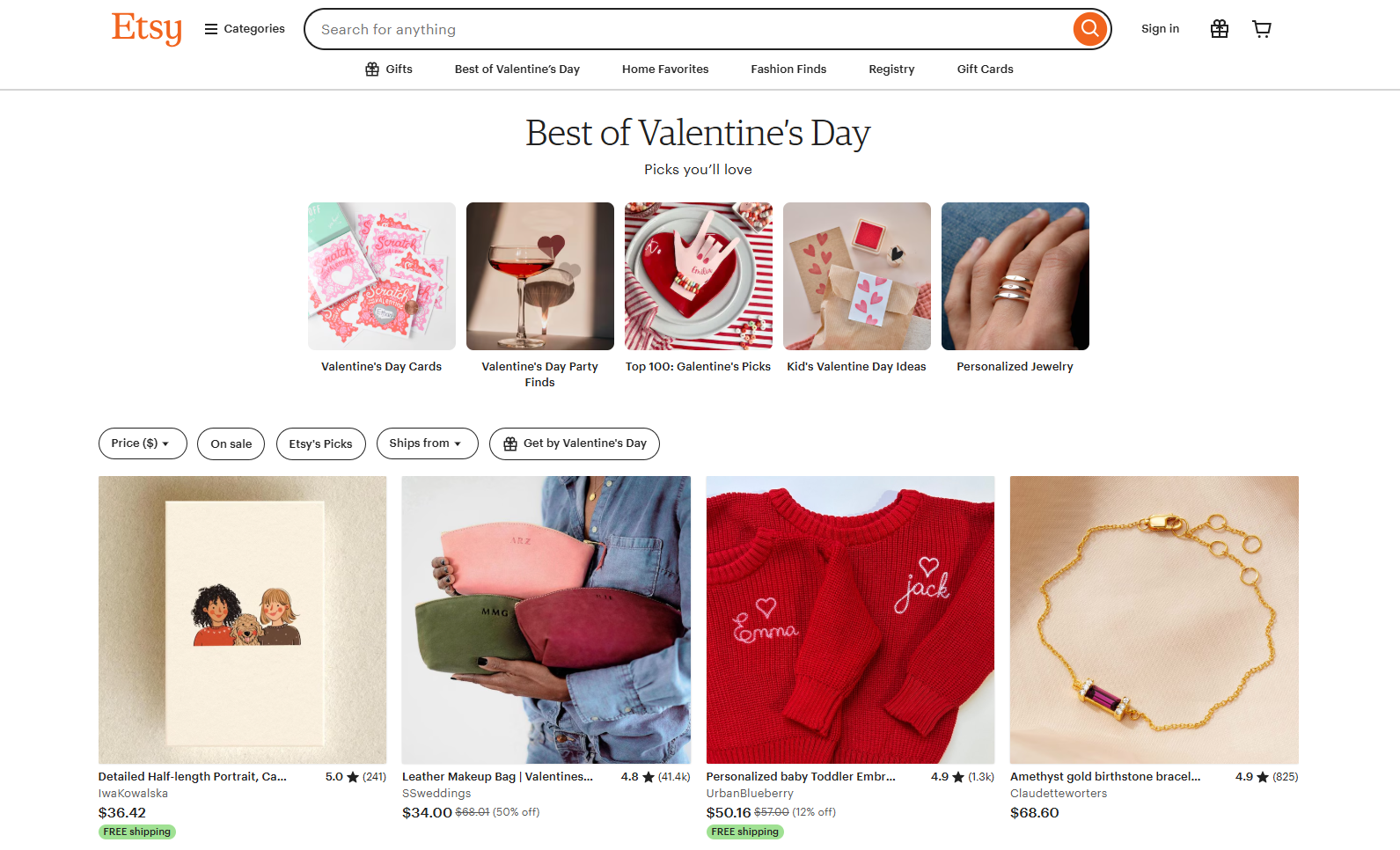
Image source: Etsy
Some of the best things to sell on Etsy include:
- Handmade crafts: This includes items like knitted scarves, handmade jewelry, pottery, and custom artwork. These are often one-of-a-kind or made-to-order.
- Vintage items: Etsy is a popular platform for selling vintage goods. These include clothing, jewelry, furniture, and collectibles that are at least 20 years old.
- Art and photography: Artists and photographers sell original works, prints, and custom commissions. This category ranges from digital art to traditional paintings and landscape photography.
- Home decor: This includes items like handmade candles, custom signs, decorative pillows, and unique furniture pieces.
- Clothing and accessories: Many Etsy sellers offer handmade or vintage clothing. They sell custom T-shirts, dresses, and unique fashion accessories like hats, scarves, and belts.
- Jewelry: Handcrafted and custom jewelry is a significant part of Etsy’s marketplace. This includes necklaces, bracelets, rings, and earrings made from various materials.
- Wedding items: Custom wedding invitations, decorations, bridal accessories, and personalized gifts are popular on Etsy.
- Craft supplies: Sellers offer a variety of items, including beads, yarn, fabric, patterns, and tools, often catering to other Etsy sellers.
- Personalized gifts: Items like custom mugs, personalized keychains, engraved jewelry, and monogrammed items are in demand for their personal touch.
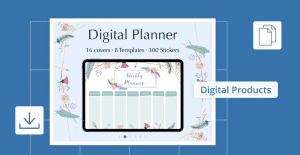
- Digital products: This includes digital artwork, printables like planners and calendars, website templates, and digital patterns for crafts.
- Health and beauty products: Handmade soaps, natural cosmetics, and skincare products made with organic ingredients.
- Toys and games: Handmade or vintage toys and games, including educational materials, wooden toys, and personalized puzzles.
It’s not just about what you sell. It’s about how you position it. Does your product fill a real need, solve a problem, or offer something different from what’s already out there? Getting clear on this will make every next step much simpler.
How to sell on Etsy in six steps
Ready to build your own Etsy shop? Here are the steps to get started:
- Create an Etsy shop
- Complete your Etsy shop details
- Make your first product listings
- Set a payment account and billing method
- Personalize your Etsy storefront
- Promote your Etsy store
Step 1: Create an Etsy shop
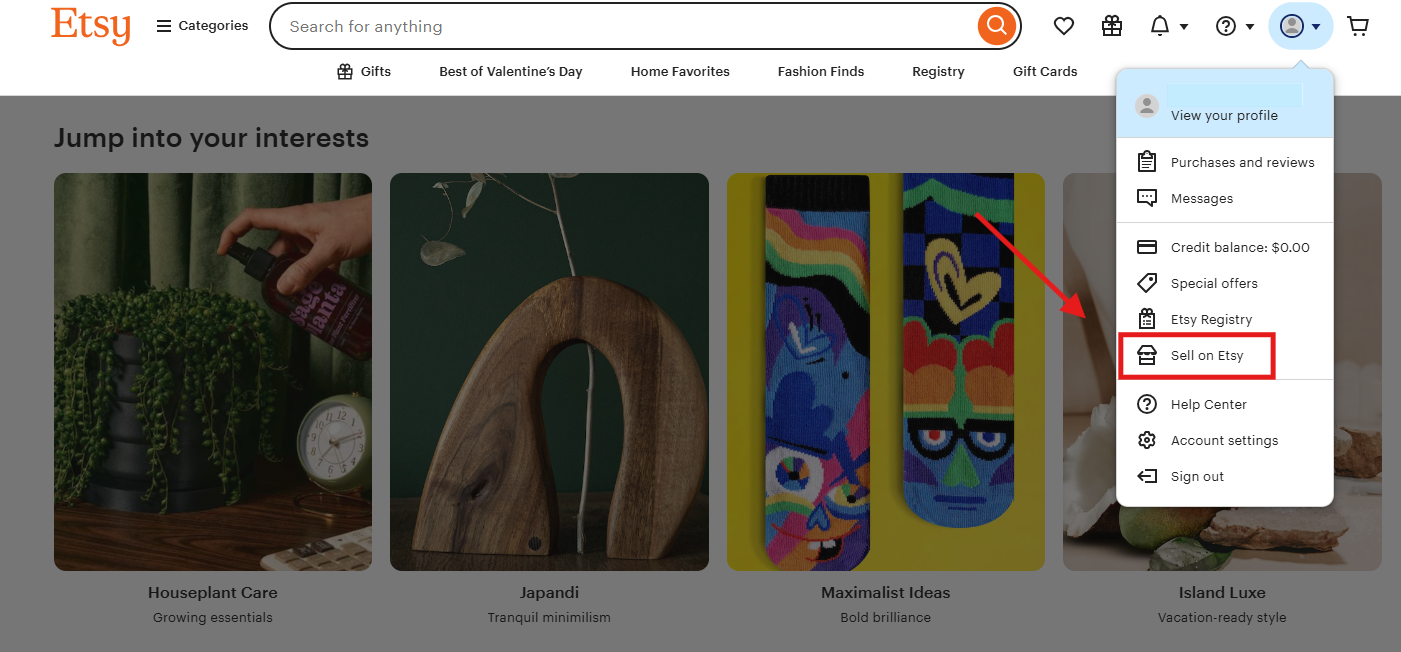
To start selling, visit Etsy and select Sell on Etsy. You’ll need to create an Etsy account using your email address. Once logged in, Etsy will guide you through opening your Etsy shop.
You’ll choose your shop language, shop location, and currency. These details affect how your shop appears to customers and what services and tools are available to you.
Step 2: Complete your Etsy shop details
Filling out your shop details isn’t just a formality. It helps build trust with customers and shows Etsy you’re serious about your business.
At this stage, you’ll:
- Choose a unique shop name or business name
- Confirm your shop location and business information
- Set privacy preferences and basic policies
Your shop name becomes part of your Etsy store URL. Choose something memorable, relevant, and flexible enough to grow with your business.
Even though an Etsy shop is not an independent website, it would greatly help if your Etsy store URL is something your customers will remember. Here’s an article on how to choose the right domain name for your business to help you decide.
Step 3: Make your first product listings
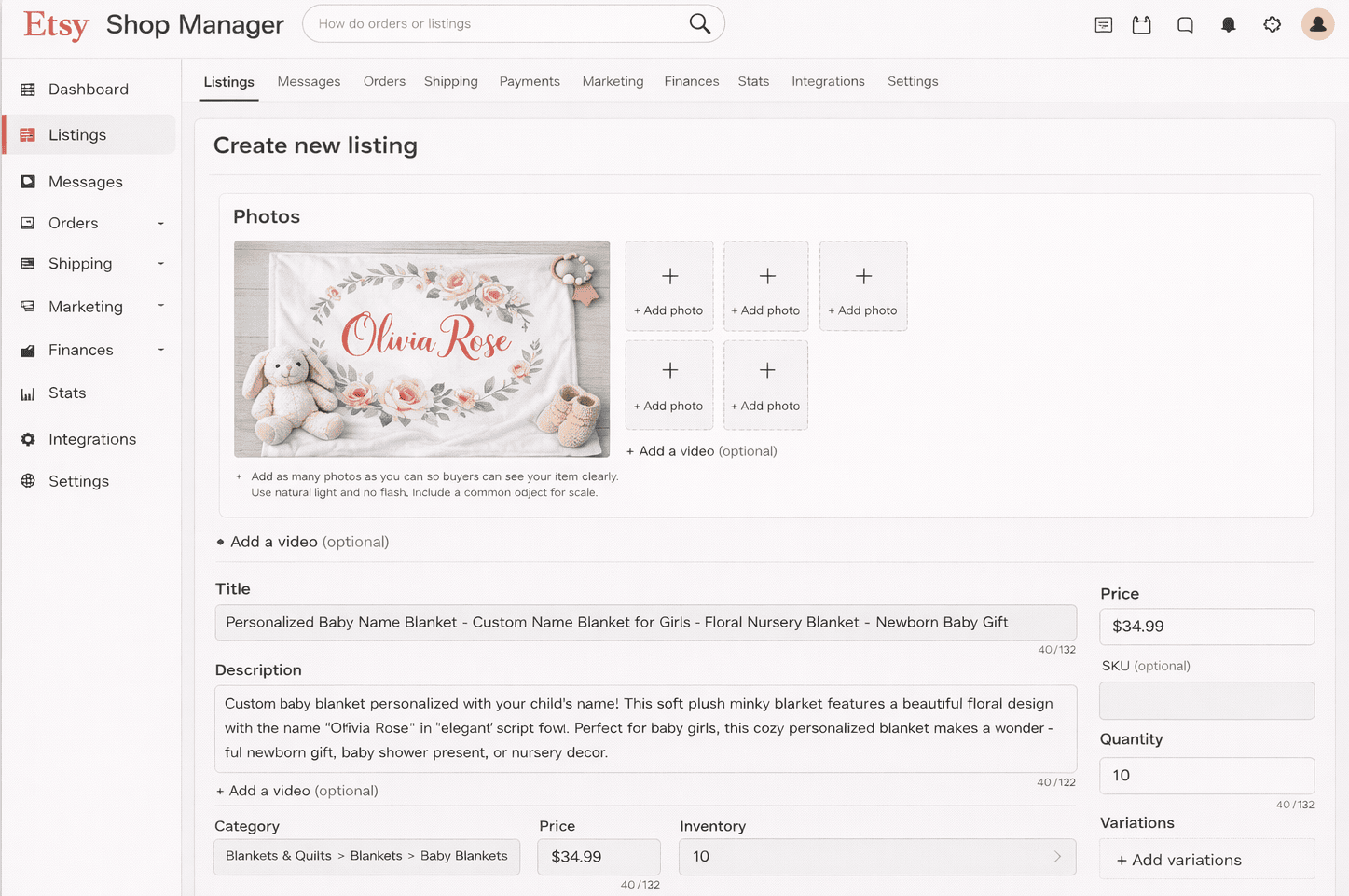
Product listings are the backbone of your Etsy store. Each listing should make it clear what you’re selling and why it matters to your customer.
Key elements include:
- High-quality photos: Your photos must show your product clearly from multiple angles.
- Product descriptions: Make sure your product descriptions include relevant keywords that reflect how customers search.
- Pricing: When finalizing your product price, consider costs, Etsy fees, transaction fees, and profit.
- Shipping settings: Decide whether to offer free shipping.
Strong product listings help you reach potential customers and turn views into sales.
Step 4: Set a payment account and billing method
To accept payments, you must set up Etsy Payments. This allows buyers to pay using credit cards, debit cards, Apple Pay, and other payment methods.
You’ll need to:
- Add a bank account for payouts
- Verify your identity
- Set a payment account for receiving funds
You’ll also choose a billing method for Etsy fees, like listing fees, promoted listings, and payment processing. Etsy charges these costs automatically based on your payment method.
Step 5: Personalize your Etsy storefront
Personalizing your Etsy shop helps you stand out in a crowded marketplace.
Customize your storefront by:
- Adding a profile photo and banner
- Writing an About section that tells your story
- Setting shop policies for shipping, returns, and exchanges
- Linking your social media platforms
These details help build credibility and make it easier for shoppers to trust your shop.
Step 6: Promote your Etsy store
Promotion is a key part of successfully selling on Etsy.
Ways to promote your shop include:
- Social media platforms: Instagram, Pinterest, and TikTok
- Etsy Ads: Targeted ads that boost visibility
- Content marketing: Email newsletters and collaborations
Promoted listings and steady outreach help you attract new customers, especially when you’re just starting out.
Tips for selling on Etsy successfully
Aside from the products they sell, what separates active Etsy sellers from those who thrive is how they approach visibility, engagement, and optimization. These strategies help Etsy sellers get noticed, attract customers, and grow sales in the first few months and beyond.
- Optimize for Etsy search (SEO)
- Use high-quality photos
- Write engaging descriptions
- Leverage Etsy’s tools and analytics
- Update your shop frequently
- Encourage reviews
- Categorize accurately and completely
- Build backlinks and external traffic
- Engage with your customers
Optimize for Etsy search (SEO)
Start by being discoverable. Think like a shopper: What would someone type when trying to find an item like yours? Use variations of those terms (e.g., “handmade soy candle,” “lavender candle,” “aromatherapy candle”) to capture more searches. SEO tools like Etsy Search Analytics and Keyword Explorer can also help you identify what terms customers actually use.
Use high-quality photos
Your product photos are the first impression shoppers get. On Etsy, visuals heavily influence click-through rates. Use bright, clear, well-lit photos that accurately represent your item. Include multiple angles, close-ups, and lifestyle shots to communicate scale and usage.
Write engaging descriptions
Your product descriptions should do more than list features; they should tell a story. Explain the inspiration behind the product, how it’s made, and why it’s unique. Give essential details like size, materials, variations, and care instructions, but frame them in a way that helps customers visualize owning and using the item.
Leverage Etsy’s tools and analytics
Etsy provides built-in analytics that show which listings get the most views, which search terms drive traffic, and where customers are coming from. Make a habit of reviewing these metrics. Understanding buyer behavior helps you refine your listings, adjust pricing, and focus on what works rather than guessing.
Update your shop frequently
Activity matters on Etsy. Try adding new listings regularly or refreshing existing ones with updated photos, titles, tags, or descriptions. Even small updates signal to Etsy’s algorithm that your shop is active and maintained, which can improve your search position and increase organic traffic.
Encourage reviews
Positive reviews build trust and provide valuable social proof. To encourage customers to leave feedback, offer excellent customer service from start to finish. Ship quickly, package your items carefully, and include a thoughtful note thanking them for their order. After delivery, a friendly, non-pushy message reminding customers that reviews help your small business can go a long way.
Categorize accurately and completely
Correct product categorization ensures your listings appear in the most relevant search filters. Etsy lets you add categories, attributes, and tags; fill them out thoroughly. When listings are correctly categorized, the platform can match them to more precise buyer queries.
Build backlinks and external traffic
Don’t rely solely on Etsy’s internal audience. Backlinks from blogs, social media platforms, and publications can bring new traffic to your Etsy shop and improve search visibility. Strategic external content marketing, such as featuring your items in gift guides or stories, helps introduce your products to audiences who haven’t yet visited Etsy.
Engage with your customers
Fast, helpful replies to questions and feedback create a better shopping experience and often lead to more sales. Etsy shoppers expect responsive communication. Whether it’s clarifying product details, answering questions about custom orders, or resolving issues. Engagement builds loyalty and can turn first-time buyers into repeat customers.
How much does it cost to sell on Etsy?
Understanding costs helps you price products appropriately and maintain profitability.
- Listing fees: Etsy charges $0.20 per listing, which remains active for four months or until the item sells.
- Transaction fees: When you make a sale, Etsy charges 6.5% of the total sale price, including shipping costs.
- Payment processing fees: Using Etsy Payments (required in most countries) costs approximately 3% plus $0.25 per transaction in the US. Rates vary by location.
- Offsite ads fees: If Etsy advertises your products on Google or Facebook and generates a sale, you pay 15% (or 12% if you’ve made over $10,000 in the past year).
- Currency conversion: Sales in different currencies incur a 2.5% conversion fee, but fees may vary depending on the market rate at the time Etsy processes them.
- Etsy Plus: This optional $10 monthly subscription offers additional customization and tools for sellers focused on growth.
Factor all Etsy fees into your pricing to ensure you make money after costs. Many creative entrepreneurs find that despite fees, the access to customers actively shopping the marketplace justifies the costs.
What are the downsides of selling on Etsy?
While Etsy offers access to a global marketplace, there are limitations:
- Payment processing fees: One of the main drawbacks of selling on Etsy is the high fees. Every transaction made through Etsy Payments incurs a fee. The fee includes a percentage of the total sale price plus a fixed fee per order. These fees can add up and be challenging for you.
- Intense competition in Etsy’s search rankings: With millions of sellers on Etsy, standing out and gaining visibility can be challenging. The competition in Etsy’s search rankings is fierce. You must know how to optimize your listings using effective SEO strategies to improve your visibility.
- Market saturation: Certain product categories on Etsy are highly saturated. This oversaturation can lead to price wars and make it more challenging for less established shops to get attention.
- Dependency on platform policies: Selling on Etsy means adhering to its policies and updates, which can change from time to time. These changes can affect how you manage your shop and interact with customers.
- Limited branding opportunities: You can customize your Etsy storefront, but these opportunities are limited compared to running your own e-commerce website. This can make it hard for you to create a unique brand identity that sets you apart from other Etsy shops.
- Customer service challenges: Dealing with customer service, including handling disputes and returns, can be more complex on a third-party platform like Etsy because policies often favor protecting buyers.
Find the perfect domain
Ready to register a domain name? Check domain availability and get started with Network Solutions today.
Frequently asked questions
Beginners start by creating an Etsy account, opening a shop, and listing products with clear photos and descriptions. The Seller Handbook is a helpful resource.
Etsy is often worth it for handmade and vintage sellers looking to reach buyers quickly.
No, Etsy charges per listing and per sale.
Build beyond Etsy
Etsy is a great way for creative entrepreneurs to start selling quickly, but long-term growth usually comes from expanding beyond just one platform.
Many sellers eventually build their own website to control their brand, customer data, and sales channels. Pairing your Etsy shop with your own website helps you reach more customers, encourage direct purchases, and build a stronger business. If you think building a website is daunting, here’s a simplified guide on how to make an online store in 2026.
Set your business up for success by treating Etsy as a launchpad, not the finish line. Stay focused, keep building, and grow a shop that can thrive as e-commerce evolves.