

Key takeaways:
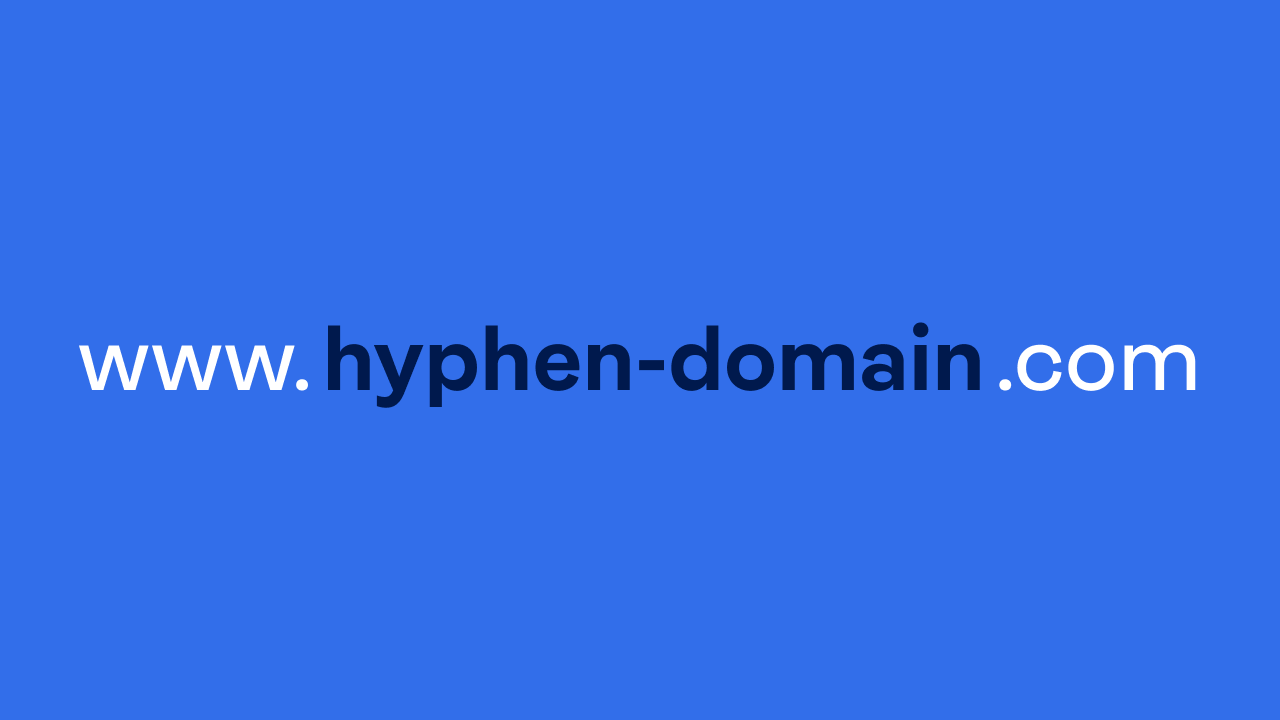
- Hyphens are technically allowed as special characters in domain names. They’re often used as a quick fix when a preferred name is taken.
- Using a hyphenated domain name doesn’t directly hurt SEO, as search engines treat it as a word separator.
- However, non-hyphenated domains are usually better for building user trust, memorability, and traffic.
You’ve finally brainstormed the perfect domain name for your business, only to find out it’s already registered.
Adding a simple hyphen in your domain name can seem like a brilliant, quick fix. But whether to use a dash is actually a hot topic among new website owners. Before you claim that hyphenated domain name, you must consider the trade-offs.
A hyphen makes your business name available, but it forces you to weigh readability over user trust, potential typing errors, and lost web traffic.
How? Here’s everything you need to know before putting hyphens in your brand.
Should you use a hyphen in domain name?
In most cases—no. It’s usually better to choose a non-hyphenated domain. Using a hyphen in your domain separates words clearly and makes multiple words easier to read, but it makes the domain harder to remember, cumbersome to say aloud, and more prone to mistyping. They hurt trust and may even lead to lost traffic over time. So next time you’re asking, can you use a hyphen in a domain name, or can domains have hyphens—yes, but it may not be the best long-term choice.
If your domain name really needs a hyphen for branding reasons, you could always secure similarly named domains to ensure your audience finds the correct website. As our VP of Customer Service, Malania Arezzi, notes: “First and foremost, secure your domains across multiple extensions and alternate spellings. If you have a trademark, services like GlobalBlock make it so much easier to secure your brand. Make sure you have a website that works for your business. Also, make sure your business can be found across multiple social media platforms and review sites. Facebook, Instagram, X, TikTok, Google etc. Consumers are more likely to buy from a business with an established online presence.”
Do hyphens in domain names affect SEO?
Hyphens in domain names don’t directly affect SEO. A dash doesn’t directly trigger a penalty.
Modern search engines readily recognize that dashes serve as word separators. When Google’s algorithms crawl your site, they can read the individual keywords perfectly fine. A hyphenated address doesn’t automatically wreck a site’s seo just by existing.
It’s worth noting, though, that hyphens affect SEO indirectly.
A hyphenated domain may be less appealing or memorable to some users, potentially affecting click-through rates and direct visits. However, Google does not apply a ranking penalty simply because a domain contains hyphens. When people try to visit your site directly without the dash, they either bounce or land on a competitor’s page. A less memorable domain may lead to missed visits or typing errors, which can affect marketing performance and user experience. However, Google has not confirmed that direct traffic itself is a ranking factor.
Some advice suggests using hyphens to build keyword-rich domains, but that approach is no longer considered a best practice. While it’s best to use hyphens instead of underscores in URLs for individual subpages and blog posts, your primary domain should be simple, clean, and easy to remember.
Worried all the good website names are already gone?
Use our Domain Name Generator to discover fresh and available ideas you never even considered.

Pros of hyphenated domains
Adding a dash to your web address is not entirely bad news. There are a few specific scenarios where this punctuation actually helps you solve distinct problems. Specifically:
- Hyphens can improve readability
- Hyphens can help when the non-hyphenated version is unavailable
- Hyphens can help protect your brand
Hyphens can improve readability
When you push multiple words together without spaces, the resulting text can sometimes turn into a confusing jumble of letters. A hyphenated domain acts like a natural pause for the eyes. It helps separate words so your audience immediately understands the phrase.
Think about the difference between reading great-website.com versus greatwebsite.com on a billboard. The hyphenated domain name breaks the phrase into two distinct thoughts. When you print your web address on business cards or physical flyers, the visual break instantly catches the eye. People who scan your marketing materials correctly digest your brand name.
When combining certain words accidentally creates a completely different meaning, readability matters. For example, if your words end and begin with the same letters, they can easily blur together. A dash steps in to keep your intended message crystal clear.
Hyphens can help when the non-hyphenated version is unavailable
The internet is crowded, and securing prime digital real estate takes work. A hyphenated version often remains open and ready to register for a long time after the non-hyphenated version is claimed.
When your heart is set on a specific phrase for your domain, adding a dash lets you keep your preferred words. It offers a practical workaround for securing a hyper-specific address without paying a premium to someone already squatting on the solid version.
But before you rush to search and register that version, you must verify who owns the existing domain without the dash. If a direct competitor owns it, you’ll constantly lose traffic to them. Always treat dashed names as backup options.
We highly recommend exploring other alternatives first, perhaps by running your ideas through a domain name generator or by trying a different domain name extension, like .net or .co, to find fresh, available ideas you might not have considered.
Hyphens can help protect your brand
Even if you don’t use a hyphenated domain as your primary website address, it can be worth registering.
Securing common hyphenated versions of your domain helps prevent visitors from accidentally ending up on another website. Missing a hyphen can send users to completely different sites if those alternative versions remain unsecured.
You protect your audience from typosquatters and scammers who intentionally register similar names to trick people or run phishing attacks. You also block direct competitors from hijacking your hard-earned traffic. Keep your brand reputation safe and ensure your visitors always find their way to your actual content.
Cons of hyphenated domains
For most small and modern businesses, the drawbacks of dashed names heavily outweigh the benefits. Adding punctuation introduces friction, and friction always costs you, visitors. Some of these disadvantages are that:
- Hyphens are harder to remember, type, and say out loud
- Hyphenated domains may look less trustworthy
- Hyphenated domains can make branding more difficult
Hyphens are harder to remember, type, and say out loud
Think about the last time you heard an advertisement or a podcast sponsor. If they used hyphens in their web address, they had to explicitly say “dash” out loud. Sharing your URL verbally can feel awkward because it disrupts the natural flow of spoken language.
When users hear your address and try to visit later, they almost always forget the punctuation. They’ll type the words naturally, hit enter, and land on a completely different website. Mobile users may find it inconvenient to hunt for the punctuation keys on their phone keyboards. They may leave instead of toggling to the symbol menu just to type your address.
A simple error like this can destroy your direct web traffic and frustrate your customers.
The whole point of a web address is to make finding you effortless, but a dash forces your audience to memorize punctuation rules just to reach your business. You may lose potential traffic when visitors forget the hyphen, and the alternative domain is owned by someone else.
Hyphenated domains may look less trustworthy
People judge your brand the second they see your link. Unfortunately, hyphenated addresses are historically associated with spammy behavior.
Years ago, people would buy up heavily dashed names just to manipulate search results. Because of this history, internet users tend to pause when they see multiple dashes in a link. Many associate hyphens with spam—a big problem if you want to sell products or services directly from your site.
Also, if a popular competitor owns the solid version, your dashed version might look like a fraudulent attempt to steal their audience.
A company or business using a clean, simple address looks established and professional. A heavily punctuated address looks like a cheap backup option. When customers doubt your legitimacy before the page even loads, they’re far less likely to hand over their credit card information or trust your expertise.
Hyphenated domains can make branding more difficult
A hyphenated domain can be harder for people to remember and share. When telling someone your website address, you often need to explain where the hyphen goes, which adds an extra step and increases the chance of confusion.
If a customer recommends your business to a friend but forgets to mention the hyphen, that person may struggle to find your site. While a hyphenated domain can still work, a simple, punctuation-free domain is often easier to remember, share, and build into a recognizable brand.
Pros and Cons of hyphenated domains
| Pros | Cons |
|---|---|
| Hyphens can improve readability | Hyphens are harder to remember, type, and say out loud |
| Hyphens can help when the non-hyphenated version is unavailable | Hyphenated domains may look less trustworthy |
| Hyphens can help protect your brand | Hyphenated domains can make branding more difficult |
When should you use a hyphen in a domain name?
While you should generally avoid them, there are a few specific situations where you might opt for a dashed address because it makes strategic sense for your project.
Consider these scenarios where a dashed domain makes sense:
- Use a hyphen when it is part of your official brand name
- Use a hyphen only when it prevents confusion
- Use hyphens freely in sub-page URLs, not necessarily in the root domain
Use a hyphen when it is part of your official brand name
If your actual business name includes a dash in the real world, putting a hyphen in a domain definitely makes sense. You want your digital presence to mirror your physical branding exactly.
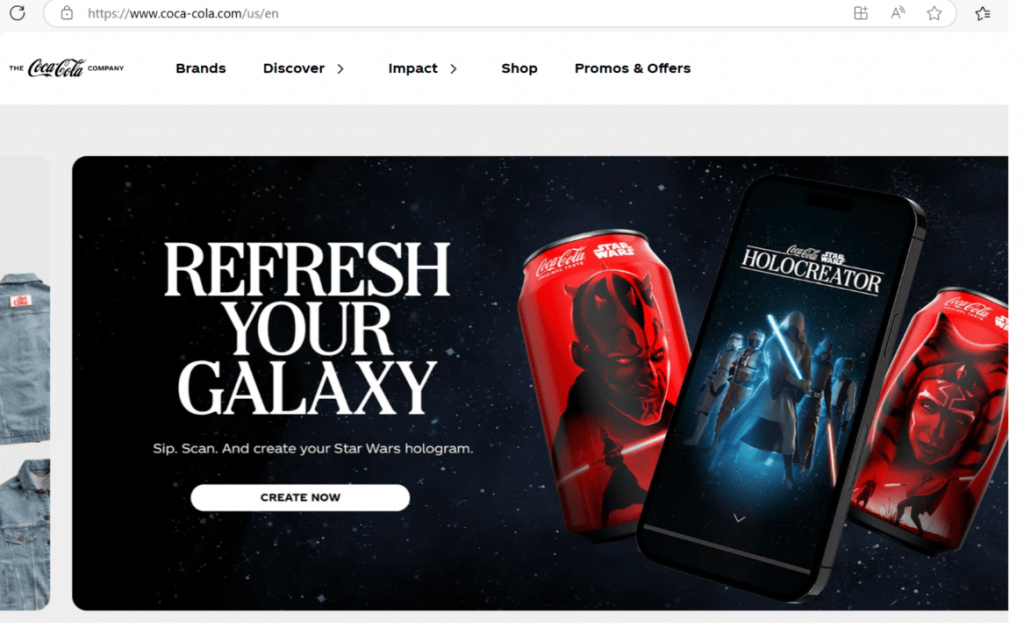
The classic example is Coca-Cola, which operates online at coca-cola.com, or Harley-Davidson, which uses harley-davidson.com. Their brand relies on that specific punctuation mark.
If your legal company name, logo, and store signage all prominently feature a dash, keeping it in your web address maintains consistency. It tells your audience they have found the official home of your business.
Use a hyphen only when it prevents confusion
Sometimes putting words together creates visual disasters. You might accidentally form an inappropriate word or create a completely different meaning than you intended.
When you absolutely must clarify the meaning of your phrase, putting hyphens between the words solves the problem. If you decide to take this route, restrict yourself to a single hyphen.
While multiple hyphens are technically allowed, most businesses should avoid them because they can make a domain harder to remember and may appear less professional. Keep the separation minimal and intentional.
Adding a dash can also improve website accessibility for people using screen readers. The reading software will pronounce the separated words clearly rather than read a confusing letter combination as a single, incorrect sound. A small choice that could make sure every visitor understands your website address the first time they hear it.
Use hyphens freely in sub-page URLs, not necessarily in the root domain
You need to separate your main address from the specific pages that live underneath it, or your subpages.
Your root address is the name of your main homepage. The subpages are the specific articles, products, or contact forms on your website. When you create a new URL for a blog post or product page, you should use dashes to separate the words for better readability.
For example:
- Root domain: exampledomain.com
- Product page: exampledomain.com/product-reviews
- Blog post: exampledomain.com/how-to-choose-software
- Contact page: exampledomain.com/contact-us
Search engines prefer reading individual words in a link path, which helps visitors understand what the page is about before they click. Keep your main home address solid, but use dashes generously when naming the specific pages within your site.
Examples of popular brands and their hyphen usage
Although most major brands avoid hyphens in their domain names, a few notable exceptions exist. These brands have used hyphens strategically to reflect their official company names or when the non-hyphenated version was unavailable:
- coca-cola.com – Matches the official brand name
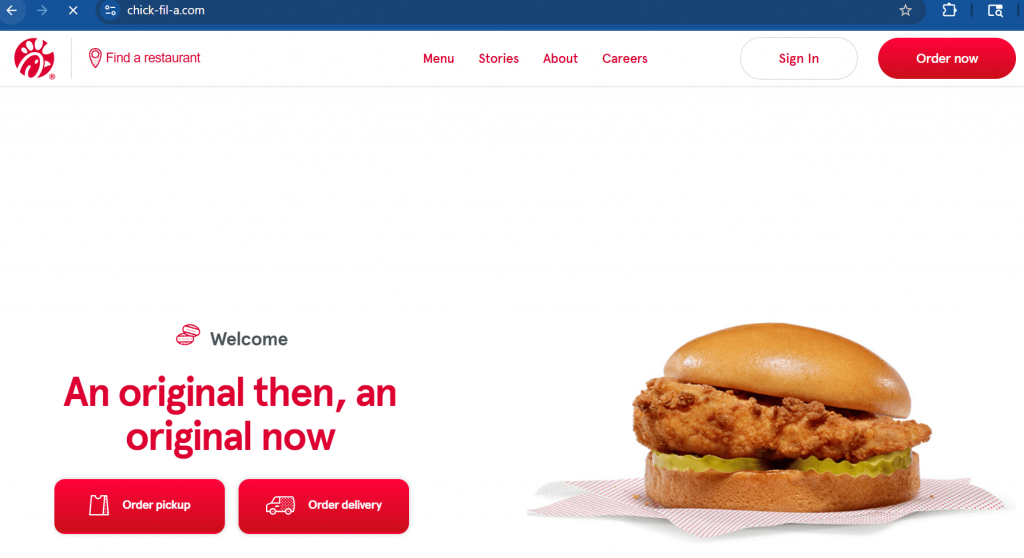
- Chik-fil-A – Follows the company’s full name with two hyphens
- harley-davidson.com – Uses a hyphen consistent with its brand name

Despite these examples, most popular brands choose non-hyphenated domains to enhance memorability, make them easier to communicate verbally, and reduce the chance of user error.
When hyphenated domains are used, many brands also secure the non-hyphenated version to avoid losing traffic and maintain consistency across marketing.
Hyphenated domains can work for certain brands; however, most industries prefer non-hyphenated domains for simplicity and a more user-friendly experience.
Frequently asked questions
Yes, they can. The technical rules for registration confirm that hyphens allowed policies permit domains to include hyphens. Rules permit you to use them between words, though you can’t place these special characters at the very beginning or the very end of your domain name.
A hyphenated domain name is simply a web address that uses a dash to separate words. Instead of running all your words together, you insert a dash to help people read the phrase more easily on their screens.
The simple answer is that they’re usually not the best choice for your main address. While a dash will not directly penalize your search rankings, it creates extra work for your audience. People often forget to type the dash, which means you easily lose direct traffic when someone types the address normally.
A dash doesn’t directly penalize your site’s SEO. Modern search engines like Google read the words just fine. However, hyphens affect SEO indirectly by confusing users, which lowers your click-through rates and ultimately damages your overall search performance.
Yes, using a hyphen is perfectly fine if it prevents your words from blending into a confusing mess. If you must use one, stick to exactly one hyphen only. A single hyphenated domain is manageable, but two hyphens or more look incredibly spammy.
You’re technically allowed to include more than one dash in your address. However, we highly recommend against it. Using multiple dashes makes your address incredibly difficult to remember and often makes your site look untrustworthy to new visitors.
If your budget allows, register both the hyphenated version and the non-hyphenated one. Buying hyphenated domains can protect your brand from competitors. Aside from protecting your brand identity, you also catch all the traffic from users who type your non-hyphenated domain by mistake.
You should generally avoid using a dash in your main home address unless your actual brand name includes one. You can and should, however, use dashes generously when creating the links for your specific sub-pages and individual blog articles.
Stay in control of your domain name
Finding the right domain name takes patience, but the effort always pays off. While you can technically use dashes, a clean, unbroken address will serve your brand much better in the long run. It builds immediate trust with your customers and makes finding your website a seamless experience.
Before you settle for a punctuated address, take time to search for stronger alternatives.
You can discover incredible options you never considered by using a Domain Name Generator. Once you find the perfect fit, register it quickly and add Domain Privacy + Protection to keep your personal information secure.
Your domain is the foundation of your entire digital presence. Make sure you choose one that works effortlessly for both you and your audience.