


Key takeaways:
- White label products let you sell pre-made goods under your own brand without handling manufacturing or product development.
- This business model helps you launch faster, reduce production costs, and focus on branding, marketing, and customer experience.
- You can find white label opportunities across industries like health and beauty, apparel, electronics, home goods, and even digital products.
Starting an online business doesn’t always mean building everything from scratch. With white label products, pre-made products from third-party manufacturers that you rebrand as your own, you can launch an online store without dealing with production headaches or complex manufacturing.
For many businesses, white label products offer a faster and more accessible way to enter and grow in e-commerce. It’s a model that continues to gain traction across industries and isn’t going anywhere anytime soon.
Because much of the product development is already handled, businesses can focus more on branding and sales. It also makes it easier to test ideas or enter new niches without a significant upfront investment, making it a strong option among other low-investment business ideas.
If you’ve been looking for a simpler way to sell and scale, white label products offer a flexible, efficient path. We’ll break down how they work, their benefits, and how you can start using them for your own online store.
What are white label products?
White label products are pre-made goods produced by a manufacturer that businesses rebrand and sell under their own brand name. Manufacturers supply the same unbranded products to multiple retailers, who then differentiate them through their logo, packaging design, and overall branding. This approach allows retailers to sell without investing in product development.
You’ll find white label products across a wide range of industries, each offering different opportunities depending on your niche:
Health and beauty

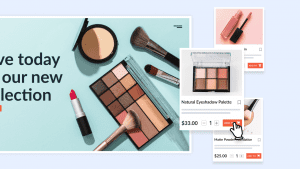
Walk into any beauty store or browse online marketplaces, and you’ll notice how many skincare and cosmetic products look similar but carry different brand names. Many of these are white label products sold under unique branding.
Businesses often source ready-made formulas from white label manufacturers like Doriff Cosmetics, then customize the logo, packaging, and positioning to match their brand. This makes it easier to launch beauty products without developing formulas from scratch.
Apparel and print-on-demand
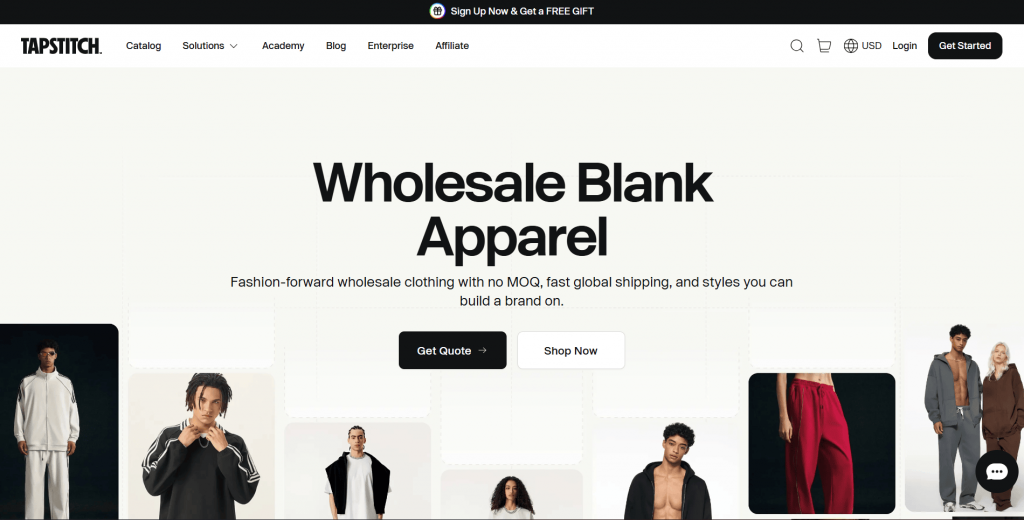
Custom clothing brands have become easier to launch thanks to print-on-demand services. Instead of manufacturing apparel, businesses can start with blank items like t-shirts, hoodies, and accessories.
Suppliers handle production while retailers add their own designs or logos. This setup allows businesses to sell branded apparel without managing inventory or production, making it a popular entry point for online stores.
Electronics and accessories
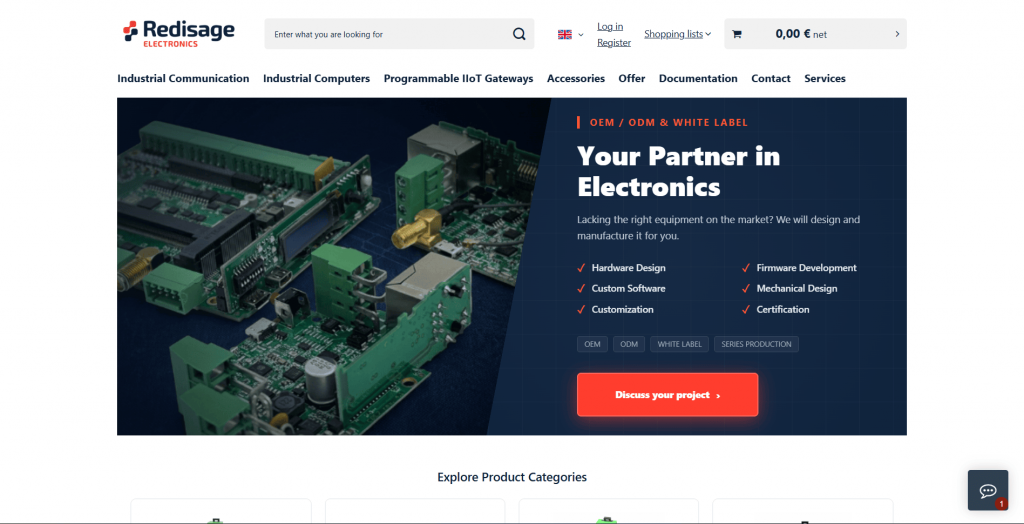
Think about phone cases, chargers, or headphones sold across different online stores. While the branding may differ, many of these products are made by the same manufacturers.
Retailers source these items and build their own brand around them through packaging, marketing, and perceived quality. This is why similar gadgets can be found across multiple stores, each positioned slightly differently.
Home goods and lifestyle products
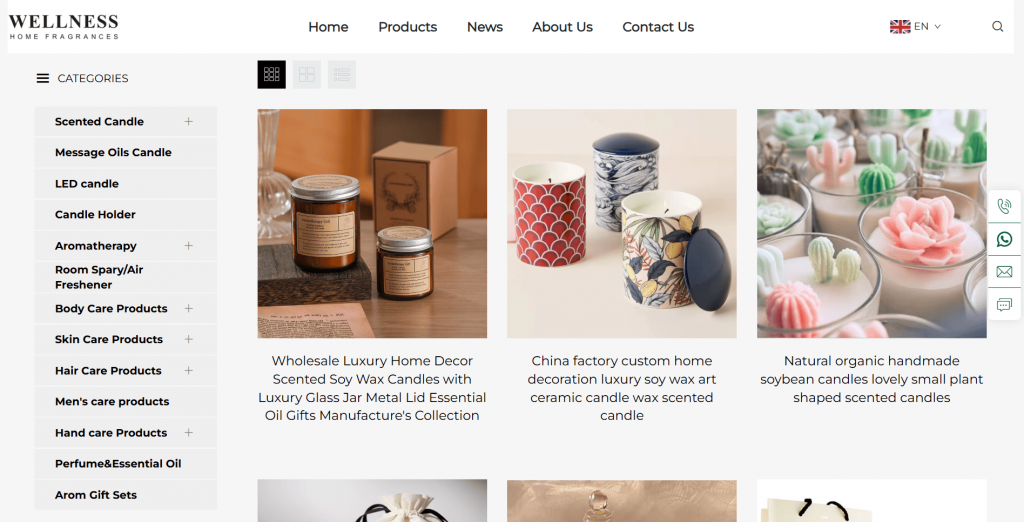
From coffee mugs to candles and kitchen tools, home goods are a common category for white label products. These items are easy to source and can be adapted to different brand styles.
Lifestyle brands often repackage these products to fit a specific aesthetic or audience. Whether it’s minimalist decor or eco-friendly kitchenware, branding plays a big role in how these products are perceived.
White labeling isn’t limited to physical goods either. There are digital white label products that businesses can rebrand and offer as their own services. Examples of these are:
- Website templates and builders: Pre-designed website layouts or platforms that businesses can customize with their own branding. Many web design agencies use white-labeled builders to create client sites under their own brand.
- Marketing tools and software: Tools like email marketing platforms, SEO tools, and social media schedulers that can be rebranded and offered as part of a service. Some digital agencies resell these tools to clients as their own solutions.
- Online courses and educational content: Ready-made courses, training materials, or ebooks that businesses can brand and sell. For example, entrepreneurs often sell pre-built courses under their own brand in niches like business or fitness.
- Software as a service (SaaS) platforms: Applications such as CRM systems, chat tools, or analytics dashboards that can be white labeled. Some companies offer branded dashboards to clients while the core software is developed by another provider.
What are the benefits of white label products?
White label products change how businesses approach production and branding. With manufacturing handled by suppliers, companies can streamline operations, though there are still trade-offs to consider:
Pros
- Cost-effective setup: White label production removes the need to invest in manufacturing, making it easier to manage production and marketing costs, especially for startups.
- Faster time to market: Since products are already made, you can start selling white label products quickly without long development cycles.
- Focus on brand identity: With production handled by a supplier, you can spend more time building your brand identity through marketing, packaging, and customer experience.
- Simplified operations: You don’t need to manage factories or oversee manufacturing processes, which makes the business model easier to run.
Cons
- Limited customization options: Products are pre-made, so your ability to modify features or formulas is more limited than in other models.
- Less control over quality: Since manufacturing is outsourced, maintaining consistent quality control can be challenging if the supplier falls short.
- Increased competition: Other retailers may sell the same or similar products, making it harder to stand out without strong branding.
- Dependence on suppliers: Your business relies on the manufacturer’s reliability, from product availability to fulfillment timelines.
How do white label products work?
White label products work by sourcing pre-made items from a supplier, adding your branding, and selling them as your own. Suppliers who specialize in white label products make it easier to find options that fit your niche without dealing with manufacturing.
For example, platforms like TapStitch offer ready-made apparel that businesses can customize with their own branding. Once you’ve chosen a supplier and product, the process typically follows a few simple steps:
- A supplier manufactures the product: A white label service produces generic, unbranded products in bulk. These items are designed to be sold by multiple retailers, giving each business a blank canvas to work with.
- You customize the branding: Once you source the product, you add your brand elements, such as your logo, packaging, and overall presentation. This is where you create a distinct brand identity, even if the core product is the same.
- You list and sell the product: After branding, add the product to your online store or marketplace. From here, the focus shifts to marketing, pricing, and reaching your target audience.
- Orders are fulfilled through your supplier: Depending on your setup, the supplier may handle inventory and shipping, or you may manage fulfillment yourself. Either way, production remains with the supplier.
How to start selling white label products
Getting started with white label products is straightforward when you break it down into a few key steps. The goal is to find the right product, partner with a reliable supplier, and build a brand around it.
- Research your niche: Start by identifying a niche with demand but not overly saturated. Look at trending products, customer needs, and gaps in the market to find opportunities that align with your business model. If you’re unsure where to begin, it helps to follow a structured approach to choosing products to sell online.
- Find a white label manufacturer: Choose a reliable white label supplier that offers consistent quality and product variety. Review their catalog, pricing, and fulfillment capabilities before committing.
- Order samples and test quality: Before selling, order samples to evaluate product quality, packaging, and overall experience. This helps you avoid issues once you launch.
- Build your brand: Create a strong brand identity by designing your logo, packaging, and messaging. This is where you differentiate your products, even if the base item is the same as others in the market. If you need a starting point, use our free marketing and logo maker tools to quickly create designs that fit your brand.
- Set up your online store: List your products, write clear descriptions, and optimize your store for conversions. Make sure your product pages reflect your branding and value proposition.
- Launch and market your products: Promote your products through social media, email marketing, or paid ads. Focus on building trust and attracting your target audience.
Factors to consider when choosing white label products
Before choosing what to sell, it helps to evaluate a few key factors. The right product and service can make a big difference in how well your white label business performs.
- Market demand and competition: Look for products that people are actively searching for but aren’t overly saturated. This helps you find a balance between demand and your ability to stand out.
- Profit margins and pricing flexibility: Consider the gap between your cost and selling price. Healthy profit margins give you the flexibility to offer discounts, run ads, and scale your business.
- Supplier reliability and shipping times: Choose suppliers that consistently deliver on time and communicate clearly. Delays or poor service can affect your reputation and customer experience.
- Product quality and consistency: Ensure the product meets your standards and remains consistent across orders. Testing samples can help you avoid quality issues later.
- Branding potential and customization options: Evaluate how easily you can add your logo, packaging, or unique positioning. Even with limited customization, strong branding can set your products apart.
White label vs other business models
White label products are often confused with other business models like private label and dropshipping. While they share some similarities, each approach differs in terms of control, branding, and sourcing.
Here’s a quick comparison to make those differences clearer:
Feature | White label model | Private label products | Dropshipping |
|---|---|---|---|
Product ownership | Generic products sold under your brand | Custom products created for your brand | Products owned by a third-party supplier |
Customization | Limited to branding (logo, packaging) | High customization of product and branding | Little to no customization |
Branding | Sold as branded products | Fully branded and unique products | Often unbranded or minimally branded |
Inventory handling | Depends on supplier setup | Often requires bulk ordering | No inventory held by the retailer |
Control over product | Low to moderate | High control over product features | Low |
Competition level | Moderate, similar products in market | Lower due to unique products | High, since many retailers sell the same items |
Profit margins | Moderate | Potential for high margins | Typically lower margins |
White label businesses focus on speed and simplicity. You can quickly launch and sell products under your own brand without managing manufacturing. However, since multiple retailers may offer similar products, strong branding becomes integral to the business model.
Private label products offer more control and higher margins because you can create unique, high-quality products tailored to your audience. This approach requires more investment in development and production.
Dropshipping, on the other hand, removes the need to handle inventory entirely. While it’s easy to start, it often comes with lower margins and less control over product quality and fulfillment. If you want a deeper look at how this model works, you can explore our dropshipping guide.
Frequently asked questions
White label products are manufactured in bulk by a supplier and sold to multiple retailers, who rebrand them as their own. Private-label products, on the other hand, are produced by a manufacturer specifically for one brand, enabling greater customization and control.
It can be profitable because it’s cost-effective and doesn’t require manufacturing. Profit depends on your pricing, branding, and how well you market your products.
Yes, many businesses sell white label products through online stores, marketplaces, or social media platforms. It’s a common model for e-commerce startups.
No, you can use white label products to start selling without developing products from scratch. This allows you to focus on branding and marketing instead.
Common examples include skincare products, supplements, phone accessories, and print-on-demand apparel that businesses rebrand with their own logo and packaging.
No, white labeling is legal as long as you follow regulations, use properly licensed products, and don’t mislead customers about the product’s origin or quality.
You start by sourcing a product from a white label supplier, add your logo and packaging, then sell it under your own brand through your chosen sales channels.
Start building your brand with white label products
White label products offer a clear path for turning ideas into real products without getting stuck in manufacturing. By working with suppliers and focusing on branding, you can launch faster, test new opportunities, and grow your online store with more flexibility.
The real advantage comes from how you use the model. Strong branding, thoughtful product selection, and a clear understanding of your audience will shape how far your business goes. When these pieces come together, white label products become a foundation for building a brand that stands out.
We give you the tools to move faster and build with confidence to break through.
If you’re ready to move forward, now’s the time to lay the foundation for real growth. Secure a domain name that defines your brand, launch an online store built to convert, and create a customer experience that keeps people coming back.
Launch your brand faster with a store that’s ready to sell.
Take your products to market faster. Build a store that showcases your brand, supports your growth, and keeps you ready for what’s next.