


Key takeaways
- You don’t need a massive following to make money on Instagram. Engagement and niche matter more.
- Most creators earn through multiple income streams, not just one.
- Instagram works best as both a monetization platform and a traffic driver to your website or store.
Are you looking for side hustles or ways to earn money besides selling products or getting a regular job?
The good news is learning how to make money on Instagram is no longer limited for influencers or celebrities. Today, creators, freelancers, and small business owners use social media platforms to earn through affiliate marketing, digital products, subscriptions, services, and more. But what makes Instagram unique is flexibility. You can monetize directly on the platform or use it to drive traffic to your own website, shop, or courses.
Let’s break down the most effective ways to earn money on Instagram, and what you need to get started with each.
Turn Instagram followers into customers
Get a domain and free marketing tools from Network Solutions to grow beyond social media.

11 simple ways to make money on Instagram
Statista estimated 1.8 billion Instagram users by 2028 globally. Those numbers mean an increased possibility of gaining high views and earning more money. Before you can get to that part, you need to consider which monetization strategy you want to choose and how it fits your current capabilities:
| Monetization strategy | Who it’s for | Potential income |
|---|---|---|
| Affiliate marketing | Beginners, creators, and small businesses recommending products | Ranges between $0-$1,000 per month for beginners |
| Sponsored posts | Creators with an engaged niche audience | Around $10-$100 per post for beginners |
| Selling products via Instagram Shop | E-commerce brands and creators selling physical or digital products | Varies by product price and sales volume |
| Paid subscriptions | Creators with loyal followers | Recurring monthly income; typically $0.99–$99.99 per subscriber |
| Courses or training programs | Coaches, educators, and experts | Depends on how much you charge per service |
| Merch sales | Creators with strong personal branding | Varies by how much you charge per merch |
| Instagram Live (Badges, live selling) | Creators who engage audiences in real time | $0.99–$4.99 per badge; audience-dependent |
| User-generated content (UGC) | Creators producing content for brands (no large following needed) | Approximately $50–$100 per content for beginners creating simple UGC (basic lighting, minimal editing) |
| Offering services | Freelancers, photographers, marketers, consultants | Varies by service |
| Instagram Reels | Creators focused on reach and discovery | No direct payout; approximately $100–$1,000+ per sponsored Reel |
| Instagram ads | Businesses and creators with products or services to sell | No direct payout; income depends on ad spend and ROI |
You don’t need to pick just one. Most of these strategies work best when you combine them. A lot of them are related to each other anyway. But we’ll discuss that further in the next sections.
1. Join affiliate programs
Affiliate programs give you a way to earn a commission by recommending another company’s product or service and getting paid when someone makes a purchase through your unique link.
This approach is called affiliate marketing, and it’s one of the simplest ways to make money on Instagram, especially if you’re just starting out. Instead of creating your own product, you build affiliate relationships with brands you already use and trust. By focusing on high-quality content such as reels, tutorials, or honest reviews, you can turn everyday recommendations into income without sounding overly promotional.
You don’t need a large following to join affiliate programs, but you do need:
- An active Instagram account (personal or professional)
- A clearly defined niche such as fitness, beauty, tech, or small business
- Content that naturally supports product recommendations
- Proper disclosure, like using #ad or #affiliate, to follow advertising guidelines
- A decent follower count with quality engagement and audience trust
Where you can join affiliate programs
Affiliate opportunities are available through:
- Affiliate networks like Amazon Associates, ShareASale, and Impact
- Direct brand affiliate programs run by individual companies
- Creator marketplaces and platforms that offer built-in affiliate tools
After joining, you’ll receive unique tracking links or codes to share with your audience.
How affiliate programs work and how much you can earn
When someone clicks your affiliate link and completes a purchase, you earn a commission. Many programs offer commission rates between 5% and 30%, depending on the product, industry, and affiliate partner. Some programs may pay less, pay more, or offer a flat fee instead, so always check the commission structure before agreeing.
Affiliate links can be shared through:
- Your Instagram bio, usually with a link-in-bio tool
- Instagram Stories with link stickers
- Reels or posts that show how a product is used
- Promo codes shared in captions, Stories, or Reels
- Product tags or affiliate product links, if the feature is available to your account
Earnings vary widely. Some affiliate marketers make anywhere from $50 to $5,000 or more per month, but beginners may earn much less while they build trust, traffic, and consistent engagement. Your income depends on your audience size, engagement rate, niche, product price, commission rate, and how well the product fits your followers’ needs.
Instagram generally doesn’t take a commission from affiliate sales when the purchase happens through an external affiliate network, direct brand program, or third-party platform. However, the affiliate network, brand, marketplace, or payment processor may have its own fees, payout thresholds, or commission rules.
For best results, focus on recommending products you genuinely use and explaining how they solve a problem. Authentic recommendations tend to convert better than purely promotional posts. Also, always disclose affiliate relationships clearly with labels like “affiliate link,” “commissionable link,” or “#affiliate.”
Real-life Instagram affiliate marketing examples
A real-life example is Caitlin Covington (@cmcoving), a fashion and lifestyle creator who shares shoppable product recommendations through her LTK storefront. Followers can browse the clothing, accessories, home items, and seasonal finds she features, and creators on LTK can earn commissions when followers buy through their content.
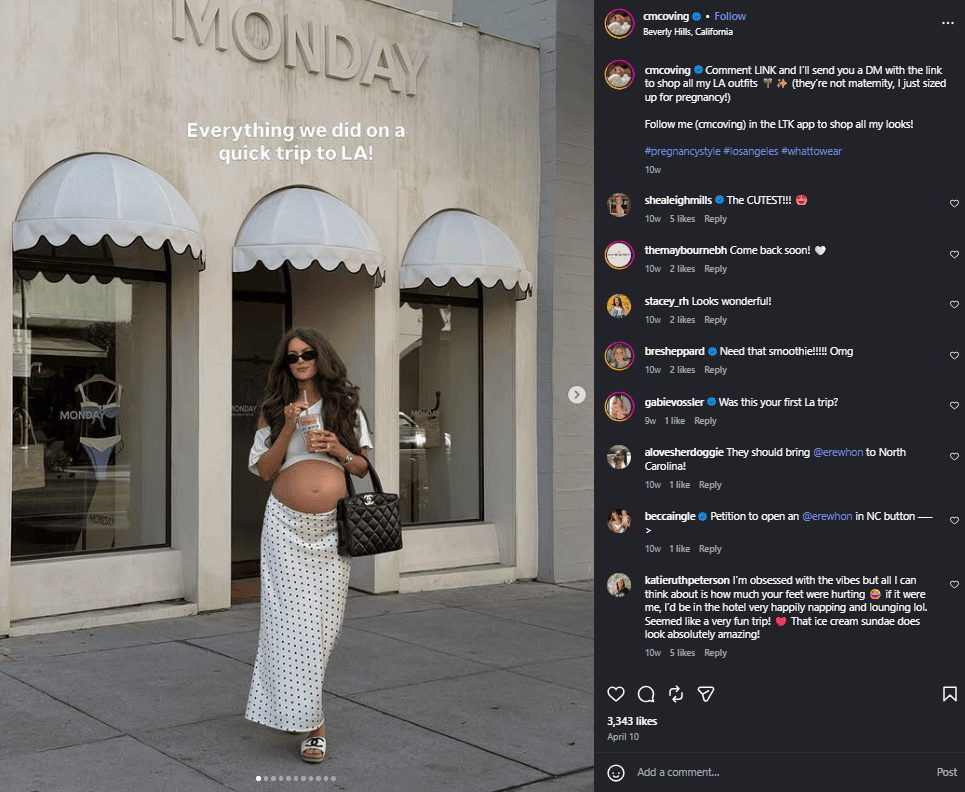
These posts often direct Instagram users to shoppable or affiliate-enabled product pages. And Instagram influencers don’t just post links in random videos or images—they show how products fit into their daily routines, which helps build trust and drives conversions.
2. Create sponsored posts
Sponsored posts let creators earn money on Instagram by partnering with brands to promote products or services in their content. In these collaborations, brands pay you to feature their offering in a post, Story, or Reel and share it with your audience.
Where to collaborate for sponsored posts
Creators typically find sponsored post opportunities through:
- Instagram Creator Marketplace, where brands connect directly with creators based on niche, audience, and engagement
- Influencer marketing platforms that match brands with creators for paid campaigns
- Direct outreach, either by pitching brands you already use or responding to inbound inquiries from companies
Many creators also list a contact email or media kit link in their bio to make it easier for brands to reach out.
Real-life examples of sponsored posts on Instagram
A well-known example is Kendall Jenner (@kendalljenner), who has used Instagram’s paid partnership label for brand collaborations. Her sponsored posts show how large creators can integrate products into lifestyle content while clearly identifying paid partnerships.
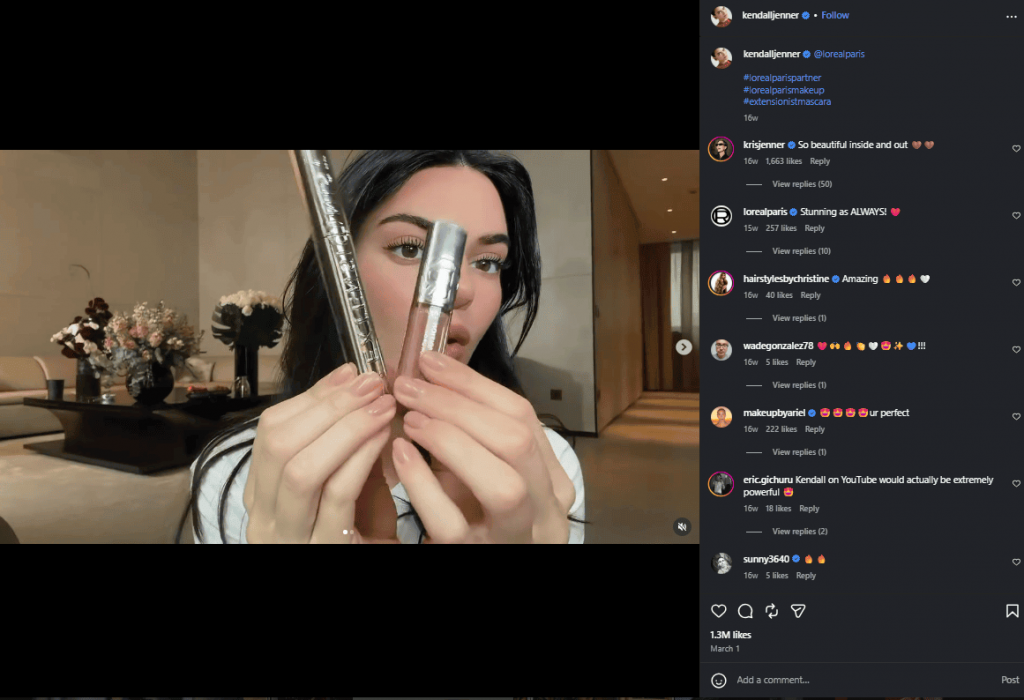
She shows that successful sponsored content blends naturally into existing content rather than feeling like a traditional ad.
How much can you earn from sponsored posts?
Sponsored Instagram post earnings vary widely based on follower count, engagement rate, niche, content format, usage rights, and campaign scope. Industry benchmarks often look like this:
| Influencer tier | Follower range | Typical earnings per post |
|---|---|---|
| Nano-influencers | 1K–10K followers | $10–$100 |
| Micro-influencers | 10K–100K followers | $100–$500, sometimes up to $1,000+ |
| Mid-tier influencers | 100K–500K followers | $500–$5,000 |
| Macro-influencers | 500K–1M followers | $5,000–$10,000 |
| Mega-influencers | 1M+ followers | $10,000+; top celebrities can earn significantly more |
These ranges are estimates, not guaranteed rates. Your final rate depends on what the brand is asking for, not just how many followers you have. A Reel, Story package, carousel, or campaign with usage rights may cost more than a single static post, especially if the brand wants to reuse your content in ads or on other channels.
Niche also matters. Creators in high-value categories like finance, business, technology, beauty, fitness, and fashion may command higher rates when their audiences have stronger buying intent or conversion potential.
Once you agree on a rate, check how payment will be handled. Instagram usually doesn’t take a commission from sponsored posts when a brand pays you directly. But if you work through Instagram Creator Marketplace, an influencer platform, or an agency, review the campaign terms since payment timelines, service fees, usage rights, and deliverables may vary.
It’s also important to build your rates on real audience engagement. Buying followers or fake engagement won’t help you earn more in the long run. Fake followers typically don’t comment, share, click, buy, or subscribe. Brands can also spot when an account has a high follower count but weak engagement, which can hurt your chances of landing sponsored posts or long-term partnerships.
What affects sponsored post rates?
Several factors influence how much brands are willing to pay:
- Engagement rate (likes, comments, saves)
- Audience demographics and niche relevance
- Content quality and storytelling ability
- Usage rights (for example, if the brand can reuse your content in ads)
Sponsored posts work best when you partner with brands that align with your audience’s interests. Authentic collaborations tend to perform better—and lead to repeat brand deals over time.
3. Sell your own products via Instagram Shop
Instagram Shop lets creators and businesses sell products directly through their profile, posts, and Reels. It makes it easier for followers to discover and buy while browsing the Instagram app. This approach works especially well for brands and creators that already have a product aligned with their audience.
Types of products you can sell
Instagram Shop supports a wide range of products, including:
- Physical products: These are tangible items you would normally find in a physical or online store, such as clothing, beauty products, accessories, or home goods. Physical products work well on Instagram because they’re easy to showcase through photos, Reels, and lifestyle content.
- Digital products: These include items like e-books, templates, guides, online resources, or downloadable tools. Digital products are popular because they don’t require inventory or shipping, and once created, they can be sold repeatedly with minimal ongoing effort.
- Limited-edition drops or bundles: These are time-limited products or curated bundles offered for a short period. Limited releases create a sense of urgency and exclusivity, which can encourage faster purchasing decisions and higher engagement from followers.
- Custom or made-to-order products: These include personalized items such as custom prints, engraved accessories, or made-to-order apparel. This model helps reduce excess inventory while offering something unique to customers.
- Print-on-demand products: Items like t-shirts, hoodies, posters, mugs, or phone cases that are printed only after a purchase is made. Print-on-demand is popular with creators because it requires little upfront cost and simplifies fulfillment.
- Licensable content or assets: Items like stock photos, video clips, design assets, or templates that buyers can reuse in their own projects. These products appeal to business and creator audiences looking for ready-made resources.
How Instagram Shop works
Instagram Shop helps creators and businesses turn their profiles into product discovery channels. You can upload a product catalog, tag products in posts and Reels, and let followers tap through to view details like product names, prices, images, and descriptions.
However, it’s more accurate to think of Instagram Shop as a discovery tool, not always a full checkout system. Meta began transitioning many Shops away from in-app checkout in 2025, which means customers often discover products on Instagram but complete their purchase on the seller’s website.
Because shopping features can vary by account, location, catalog setup, and Meta’s current commerce policies, always check your Commerce Manager before assuming a specific checkout option is available.
Option 1: In-app checkout, if available
With in-app checkout, customers can place orders without leaving Instagram. This can create a smoother buying experience because shoppers don’t need to open a separate website before completing their purchase.
However, this option may no longer be available for many Shops. If your account still has access to in-app checkout, review Meta’s current checkout fees, payout rules, return requirements, and order management terms before relying on it.
Option 2: Checkout on the seller’s website
With website checkout, Instagram acts as the product discovery channel. Customers can find your products through your profile, posts, Reels, or product tags, then tap through to your website from your link in bio to complete the purchase.
This setup gives you more control over the customer experience. You can design your own product pages, offer discounts, collect email signups, manage checkout, and handle post-purchase communication through your own online store.
For website checkout, Instagram generally doesn’t process the transaction or take a checkout commission. Your costs usually come from your website platform, payment processor, shipping provider, print-on-demand partner, fulfillment provider, or other tools you use to complete the sale.
Use a dedicated website to grow your shop
A dedicated online store gives you:
- More control over checkout: You can customize product pages, payment options, checkout flow, and post-purchase communication.
- Better customer ownership: You can collect emails, build customer lists, and stay connected outside Instagram.
- Stronger branding: Your website gives you more space to tell your story, organize products, and create a consistent brand experience.
- Search visibility: A website can appear in Google search results, helping people find your products even when they’re not on Instagram.
- More flexible promotions: You can run landing pages, bundles, email campaigns, seasonal offers, and loyalty programs.
- Less platform risk: If Instagram changes its algorithm, shopping features, or account policies, your business still has a place to operate.
To connect both, many businesses link their online store in their bio using a link-in-bio setup, making it easy for followers to move from Instagram discovery to a full shopping experience.
Send Instagram shoppers to your own store
Build a website where followers can browse products, book services, or buy from you directly.

Real-life example of Instagram Shop in action
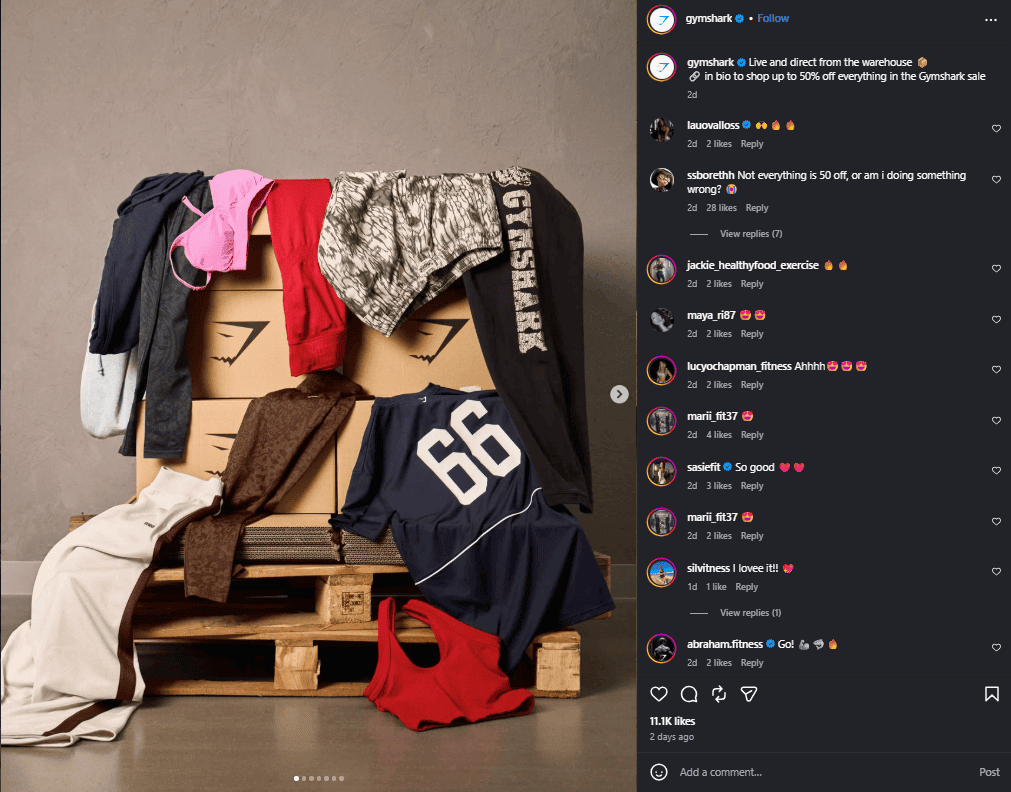
A real-world example is Gymshark (@gymshark), a global fitness apparel brand that uses Instagram Shop to tag products directly in posts and Reels. Followers can tap on leggings, tops, or accessories in Gymshark’s content, view product details, and purchase through its integrated shopping experience.
4. Offer exclusive content with paid subscriptions
Instagram Subscriptions allow creators to earn recurring income by offering followers exclusive content in exchange for a monthly fee. This model works best for creators with an engaged and loyal audience who want deeper access or premium value.
How to enable Instagram Subscriptions
If your account is eligible, you can enable subscriptions by:
- Switching to a professional (creator or business) account
- Opening your Professional Dashboard
- Selecting Subscriptions and completing the setup
- Setting a monthly price and defining subscriber benefits
Once activated, subscribers receive a badge next to their username and access to exclusive content.
Requirements for Instagram Subscriptions
To qualify, creators must:
- Have a professional Instagram account
- Follow Instagram’s Partner Monetization Policies
- Publish consistent, original content
- Be located in a region where subscriptions are available
Instagram doesn’t publish a fixed minimum number of followers for this feature, but eligibility generally favors creators with established engagement.
How much can you earn with Instagram Subscriptions?
Creators set their own subscription price, so how much you earn depends on the monthly rate you choose, how many followers subscribe, and how long they stay subscribed. It’s also important to choose a price that matches your audience’s engagement level and the value of the exclusive content you plan to offer.
| Monthly price | Typical use case | Best for |
|---|---|---|
| $0.99 | Low-cost supporter tier with light exclusives, such as extra Stories or updates | New creators testing subscriptions |
| $1.99 | Casual subscriber access with occasional exclusive content | Small but engaged audiences |
| $2.99 | Regular exclusive Stories or posts | Creators with consistent posting schedules |
| $4.99 | Premium access to exclusive Reels, Lives, or deeper content | Most creators and growing communities |
| $9.99 | High-value content like tutorials, Q&As, or behind-the-scenes access | Educators and niche experts |
| $19.99 | Coaching-style access, private Lives, or community perks | Creators offering hands-on value |
| Up to $99.99 | Specialized or professional-level content | Established creators with high-trust audiences |
Meta currently waives subscription fees for creators on Instagram and Facebook. However, that doesn’t always mean you keep the full listed subscription price. App store fees, taxes, payment processing costs, or future policy changes may still affect your final payout.
For example, if 100 people subscribe at $4.99 per month, that equals $499 in monthly gross revenue before any applicable fees or taxes. Even a small percentage of followers subscribing can create steady monthly income, which makes subscriptions more predictable than one-off brand deals.
Subscriptions work best when followers know what they’re paying for. Instead of posting random extra content, offer a clear benefit, such as weekly tips, exclusive Stories, behind-the-scenes updates, templates, subscriber-only Q&As, or early access to products and events.
Real-life example of Instagram Subscriptions
A concrete example is Jordan Chiles (@jordanchiles), an Olympic gymnast who was part of Instagram’s early Subscriptions test. When the feature began testing, creators could offer subscriber-only Stories, subscriber badges, and subscriber-only livestreams.
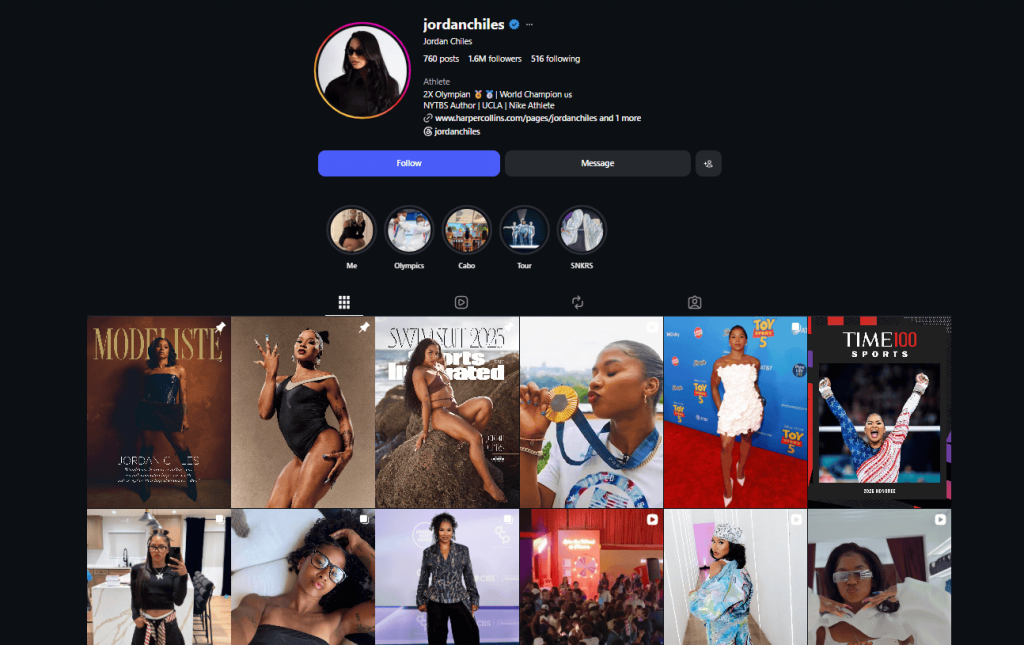
This shows how Instagram Subscriptions can work well for public figures, athletes, and creators with loyal followers who want more exclusive access.
Instead of using subscriptions for promotional content, creators like this focus on added value, such as more detailed advice, behind-the-scenes insights, or closer community interaction. It makes the subscription feel like a natural extension of their existing content.
5. Offer online courses or training programs
Selling courses or training programs is a popular way to monetize Instagram if you have expertise that others want to learn. Instead of earning per post or per view, this model lets you package your knowledge into a structured offering and sell it at scale.
What types of courses work well on Instagram
Creators on Instagram commonly sell:
- Online courses (self-paced or cohort-based)
- Workshops or masterclasses
- Coaching or training programs
Some of the popular topics include social media marketing, fitness, photography, business, personal finance, and creative skills. However, finding a niche can help you stand out from the competition.
How Instagram helps sell courses
Instagram is often used as the top-of-funnel platform, where creators:
- Share educational Reels and posts
- Teach lessons or transformations
- Promote free resources that lead to a paid course
The actual course is typically hosted on a website or learning platform, with the purchase link placed in the creator’s bio or Stories. You can create your own website to host your video courses. You can even add a blog to position yourself as an industry expert. It also improves your visibility since the right keywords can help your searchability in Google.
Real-life example of selling courses on Instagram
A well-known example is Jenna Kutcher (@jennakutcher), who uses Instagram to promote her online courses and digital programs for entrepreneurs and content creators. She regularly shares educational content and directs followers to her course offerings through her bio link.
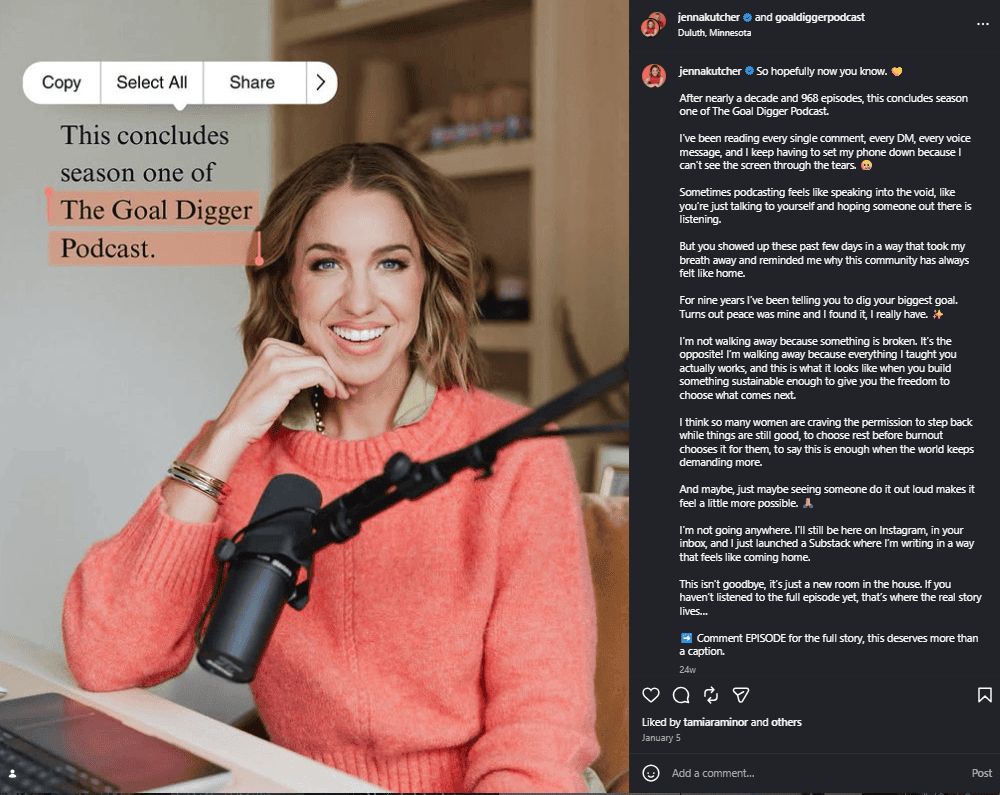
These creators demonstrate how Instagram can be used to build authority and trust—then convert that attention into course sales.
6. Create and sell merch
Merchandise is a popular monetization option for creators with a strong personal brand or loyal fan base. While merch is technically a product, many competitors separate it because it’s driven more by brand identity and community than by traditional e-commerce.
Creators often use Instagram to launch and promote merch by posting Reels, Stories, and feed posts that highlight new designs or limited drops
Because merch is closely tied to a creator’s identity, it tends to perform best when promotions feel personal and community-driven rather than overly polished or ad-like.
What counts as merch on Instagram
Merch typically includes:
- Branded apparel (t-shirts, hoodies, hats)
- Accessories (tote bags, phone cases, stickers)
- Limited-edition or fan-exclusive items
Creators often use print-on-demand services to handle production and shipping, which keeps upfront costs low.
Merch vs. selling regular products
There’s a lot of merch that can be used as regular products, but not all products can be called merch. Let’s break down the difference.
| Merch | Regular products |
|---|---|
| Built around a creator’s personal brand or identity | Built around utility, function, or problem-solving |
| Often limited-edition or drop-based | Usually always available |
| Emotion- and community-driven purchases | Need- or value-driven purchases |
| Best for loyal audiences and fans | Best for broader customer segments |
In short, merch relies heavily on brand affinity, while regular products rely more on product-market fit. Treating merch as its own strategy helps creators understand when it makes sense to launch it.
Tips on how creators sell merch on Instagram
First, you need to create your merch. But once you have them in production and ready to sell, your next challenge is finding ways to promote and sell them. Here are some tips on selling your merchandise:
- Promote drops through Reels and Stories
- Tag products using Instagram Shop
- Link to a dedicated merch store via the bio
- Share unique promo codes
- Pin merch posts for visibility
- Use countdown stickers and reminders
How much can creators earn from merch?
Merch earnings depend on pricing, margins, and audience size. Typical profit margins range from 20% to 50% per item, with income scaling based on demand. But you’ll need to decide the percentage by yourself.
Instagram generally doesn’t take a commission when customers buy through your own website, online store, or print-on-demand platform. However, you may still pay fees for your e-commerce platform, payment processor, production, shipping, or fulfillment. Factor that in when you’re deciding your profit margin.
Limited drops and seasonal releases often perform better than always-available items, especially when paired with storytelling or community milestones.
When merch makes sense (and when it doesn’t)
Merch is good, but it’s not always the smart thing to do if you don’t have some the prerequisites. Merch works best if you already have:
- A recognizable personal or brand identity
- An engaged audience that feels connected to you
- Content that naturally supports branding and storytelling
If you’re still growing an audience or don’t yet have strong brand recognition, affiliate marketing or services may be easier starting points.
Real-life examples of creators selling merch on Instagram
A well-known example is MrBeast (@mrbeast), who regularly promotes his branded merchandise on Instagram through Reels and posts. His merch is closely tied to his personal brand and content style, making it feel like a natural extension rather than a generic product.
One unique spin he added was making a dedicated Instagram page for his merch to separate his content and personal account from his business account.
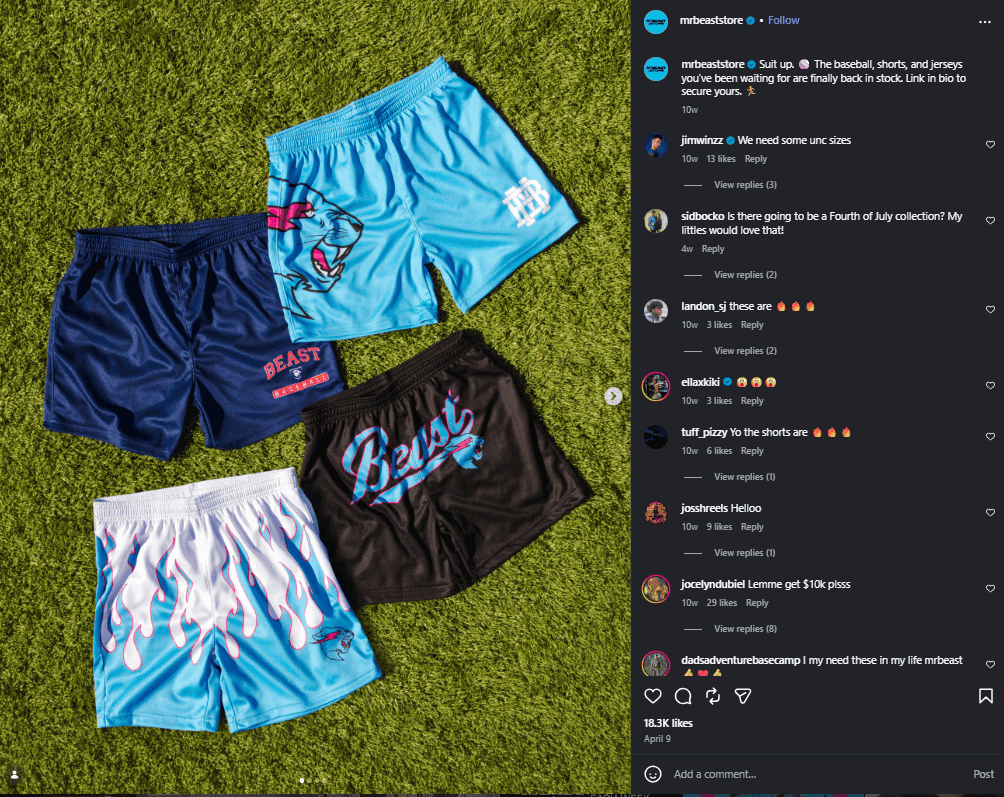
This shows how merch works best when it reflects the creator’s personality and resonates with their community.
7. Host livestreams
Instagram Live allows creators and businesses to engage with audiences in real time while monetizing through Live Badges and live shopping (also known as live selling). This format works especially well for product demos, tutorials, Q&As, and launches because viewers can interact, ask questions, and make purchasing decisions instantly.
Live Badges are virtual badges that viewers can buy during an Instagram Live to support a creator and stand out in the comments. When someone purchases a badge, their name is highlighted, making it easy for fans to show appreciation in real time.
How creators and businesses make money on Instagram Live
Instagram Live can generate revenue through:
- Live Badges, where viewers support creators by purchasing badges during a stream
- Live shopping, where products are showcased, demonstrated, and sold in real time
- Indirect promotion of products, services, or upcoming launches, such as courses, merch drops, or events promoted during the Live
How much can you earn from Live Badges?
Instagram Live Badges are priced at:
| Badge price | What it means | How creators usually use it |
|---|---|---|
| $0.99 | Entry-level support badge | Viewers use this as a simple way to show appreciation during a Live without a big commitment |
| $1.99 | Mid-level support badge | Often purchased by regular viewers who want to stand out in comments and support the creator |
| $4.99 | Top-tier support badge | Used by highly engaged fans to give stronger support and get more visibility during the stream |
Viewers can purchase badges during a livestream to support the host. Creators earn money from each badge sold, but app store fees, taxes, or payment processing costs may affect the final payout. As of Meta’s current guidance, Instagram’s revenue share for Badges is 0%.
Earnings vary based on audience size, engagement, and the consistency of viewers’ attendance at your livestreams. Regular Lives with a loyal audience tend to perform best because followers already know when to tune in and are more likely to interact.
Eligibility for Live Badges
To use Live Badges, you generally need:
- A professional Instagram account (creator or business)
- Compliance with Instagram Partner Monetization Policies, including content and community guidelines
- Access to monetization tools in your region, as availability varies by country
- A payout account set up, with valid bank and tax information, so Instagram can send earnings
- Original, consistent content history, as accounts with repeated violations or low activity may not qualify
Instagram does not publish a fixed follower minimum, but eligibility typically favors accounts with consistent activity, audience engagement, and a positive account standing.
However, even if your account meets all the requirements, Live Badges may not appear right away. Instagram rolls out monetization features gradually, so some eligible accounts may need to wait before the option becomes available in their dashboard.
Instagram Live shopping
Instagram Live shopping—also known as live selling—allows creators and businesses to showcase products during a livestream and guide viewers toward a purchase in real time. During a live session, hosts can demonstrate products, explain features, answer questions from viewers, and direct people to shop while they’re watching.
Live shopping is designed to mirror an in-store experience. Viewers can see how a product looks or works, hear explanations directly from the seller, and get immediate answers to common questions, which can help reduce hesitation and speed up purchase decisions.
While live shopping is more established in parts of Asia, it’s also actively used in the U.S., especially by beauty, fashion, and e-commerce brands. In these industries, brands often use Instagram Live shopping for product launches, tutorials, seasonal promotions, or limited-time offers. For example, a beauty brand might host a Live to walk through a skincare routine, tag the featured products, and encourage viewers to shop before the stream ends.
Live shopping works best when it’s interactive rather than scripted. Q&As, demos, styling sessions, and behind-the-scenes looks tend to perform better than purely promotional streams, as they keep viewers engaged while naturally leading into product sales.
Real-life examples of Instagram Live monetization
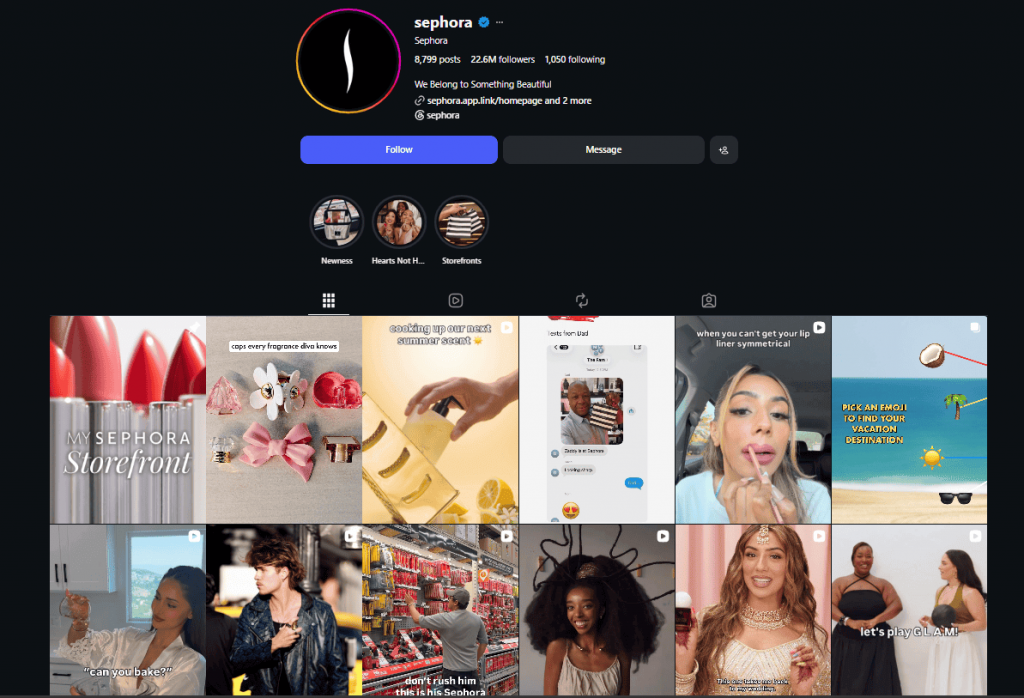
A well-known example is Sephora (@sephora), which has hosted Instagram Live shopping events featuring product demos, expert advice, and limited-time promotions. Viewers can watch tutorials, ask questions in real time, and shop featured beauty products during or after the livestream.
8. Create user-generated content (UGC)
User-generated content (UGC) is a monetization model in which creators are paid to produce content for brands, rather than post it to their own Instagram feed. The brand then owns or licenses the content and uses it across its marketing channels, including Instagram ads, Reels, product pages, and other social media posts.
This makes UGC a strong option for creators with solid content creation skills, even if they don’t have a large following.
UGC vs. sponsored posts
UGC and sponsored posts are often confused, but they work differently:
| Aspect | User-generated content (UGC) | Sponsored posts |
|---|---|---|
| What you’re paid for | Creating content assets (photos, videos, Reels) | Posting content to your own Instagram account |
| Where the content appears | Published on the brand’s account or used in ads | Published on the creator’s Instagram feed, Stories, or Reels |
| Role of follower count | Not a primary factor | Often a key pricing factor |
| Main value to the brand | Authentic, reusable content | Access to the creator’s audience |
| Content ownership | Brand usually owns or licenses the content | Creator typically retains ownership |
| How payment is determined | Based on deliverables and usage rights | Based on audience size, engagement, and reach |
| Typical use cases | Ads, website content, brand social feeds | Brand awareness, product promotion |
| Best for creators who… | Have strong content creation skills | Have an engaged and established following |
Where to find UGC opportunities
Creators can find UGC work through several channels, and many use a combination rather than relying on just one.
- Direct outreach to brands they already use: Many UGC creators start by reaching out to brands they genuinely use and like. This can be as simple as sending a short email or DM explaining how you could create content the brand can use in ads or on social media, along with examples of your work.
- Brand creator programs and marketplaces: Some brands and platforms run creator programs that actively seek people to produce content. These marketplaces help match brands with creators based on content style, niche, and experience, making it easier to find paid opportunities without having to pitch from scratch.
- Dedicated UGC platforms and job boards: There are also platforms and job boards specifically for UGC and short-form content roles. These listings often include clear briefs, deliverables, and budgets, which can be helpful for creators who want predictable, project-based work.
Many UGC creators also showcase examples of their work directly on their Instagram profile or link to a portfolio in their bio. Having a visible portfolio makes it easier for brands to quickly assess your style and reach out with opportunities.
Real-life examples of brands using UGC on Instagram
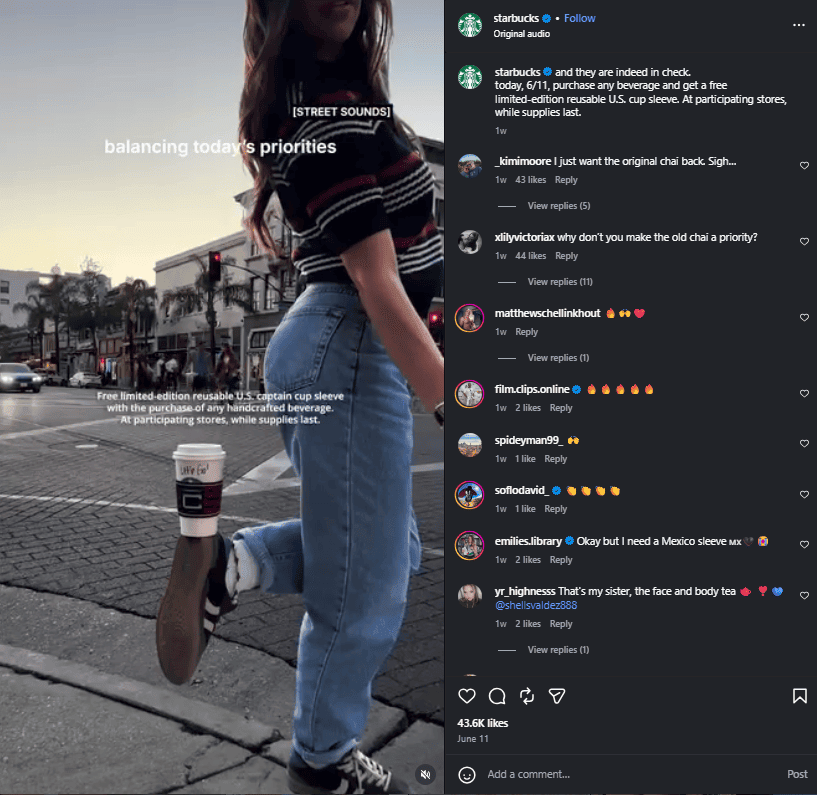
A good example is Starbucks (@starbucks), which has long incorporated customer-created photos, videos, and hashtag campaigns into its Instagram content. These posts often spotlight real customers and creators rather than polished brand shoots, making them feel relatable and performing well with audiences.
9. Offer services
Instagram can be a powerful platform for selling services by showcasing your skills and attracting clients directly through your content. Instead of monetizing through posts or views, this approach turns your profile into a living portfolio that helps potential clients understand what you do and why they should hire you.
This method works well for freelancers, consultants, and service-based businesses.
What types of services sell well on Instagram
It’s not a bad idea to explore unique ventures, but if you want to play it safe or you’re just getting started, common services promoted on Instagram include:
- Social media marketing and strategy
- Content creation or video editing
- Photography and videography
- Graphic design, branding, or web design
- Consulting, coaching, or creative services
If your service is visual or results-driven, Instagram makes it easy to showcase your work.
How to use Instagram to promote your services
Creators and businesses often use Instagram to:
- Share Reels showing behind-the-scenes work or client results
- Post before-and-after examples or case studies
- Highlight testimonials or client wins
- Direct inquiries through DMs or a booking link in their bio
Photographers or photo studio businesses, for example, can upload Reels from shoots, carousel posts of edited photos, or Stories showing the creative process. If you want to take a step further, read our guide on creating a design portfolio to showcase your works.
Real-life example of offering services on Instagram
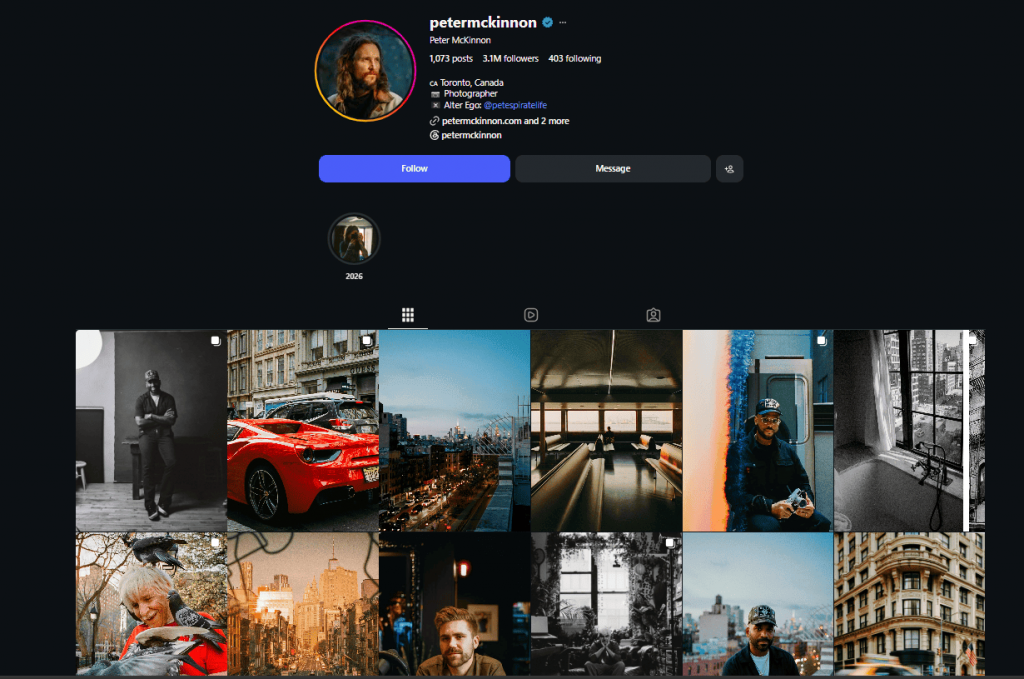
A strong example is Peter McKinnon (@petermckinnon), who built a large following by sharing photography and videography content. His Instagram presence showcases his creative expertise, helping drive demand for his professional work, brand collaborations, and creative services.
10. Create Instagram Reels
Instagram Reels are one of the most effective ways to grow reach and indirectly make money on the platform. Because Reels are heavily prioritized in Instagram’s algorithm, they often reach people who don’t already follow you—making them a key driver of discovery and long-term growth.
While Instagram automatically doesn’t pay a fixed rate per view in most regions, Reels can still generate income by opening the door to other monetization opportunities.
How creators earn money from Instagram Reels
Creators typically monetize Reels through:
- Sponsored Reel partnerships with brands
- Affiliate links promoted in captions, Stories, or bio links
- Shoppable product tags or affiliate product links added directly to eligible Reels through Instagram’s Add Products feature
- Traffic to products, services, courses, merch, or a website
- Eligibility for Instagram monetization programs, when available
Instagram’s Add Products feature makes Reels more shoppable by allowing eligible creators to tag products or affiliate links directly in their videos. This can shorten the path from product discovery to purchase because viewers can tap featured products while watching instead of searching for a link in the creator’s bio.
Availability can vary by account and region. Eligible creators should check their Professional Dashboard and make sure tagged products follow Instagram’s current commerce and affiliate requirements.
Why Reels are powerful for monetization
Reels work especially well because they:
- Reach users beyond your followers
- Support storytelling and demonstrations
- Perform well for product, tutorial, and behind-the-scenes content
How much can you earn from Instagram Reels?
Unlike some platforms, Instagram doesn’t have a consistent payout like “$X per 1,000 views.” Views and comments on Reels don’t automatically earn money. Instagram has tested and rolled out monetization programs, but they are:
- Invite-only
- Region-dependent
- Frequently changed or paused
When available, creators have reported earnings ranging roughly from:
- A few dollars to a few hundred dollars per Reel, depending on performance
- Some bonus programs previously capped earnings (for example, max payouts per month)
Real-life example of Instagram Reels in action
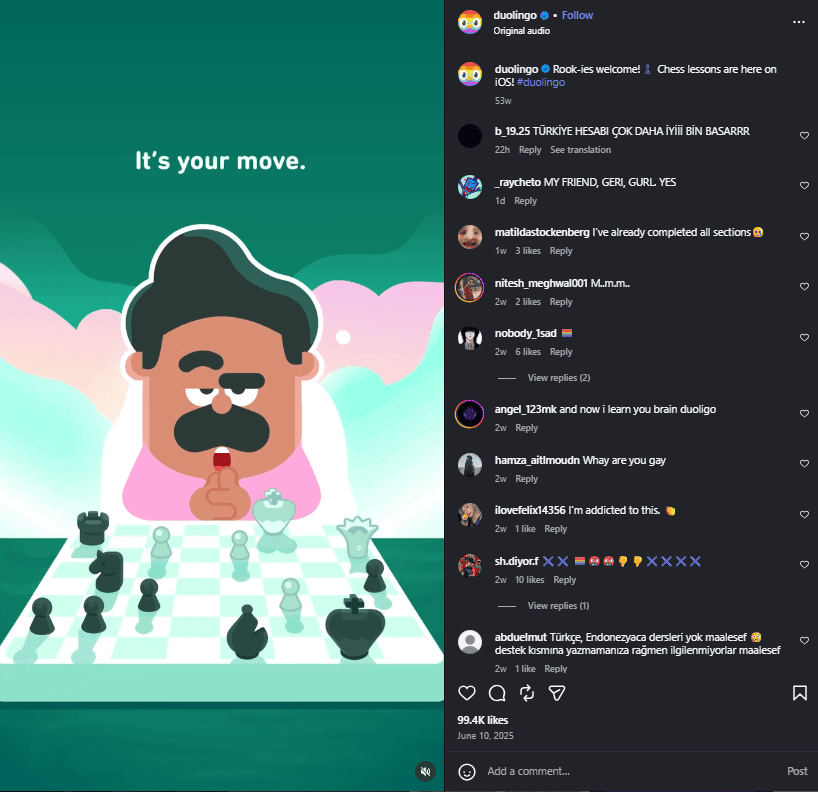
A well-known example is Duolingo (@duolingo), which uses Reels to post humorous, trend-driven content that consistently reaches millions of users. While Duolingo doesn’t monetize Reels directly, the format drives massive brand visibility and traffic to its app—demonstrating how Reels can fuel business growth and revenue indirectly.
For a deeper dive on using Reels strategically, see Instagram Reels for Business: 2025 Growth Guide.
11. Run Instagram ads
Running Instagram ads doesn’t generate income by itself, but it can help increase sales by putting your products, services, courses, or content in front of the right audience faster.
Instagram ads work best when you already have an offer that performs well organically. For example, if a Reel, product post, or service page is already getting clicks or inquiries, an ad can help you reach more people who are likely to take the same action.
This strategy is best used as a complement to your other income streams, not as a standalone monetization method.
How Instagram ads help you make money
Instagram ads allow you to:
- Promote products or services to targeted audiences
- Drive traffic to your website, shop, or landing page
- Scale offers that are already performing well organically
- Support launches, sales, or lead-generation campaigns
Instead of waiting for organic reach, ads give you control over visibility and growth.
Types of Instagram ads
Instagram offers several ad formats, each designed to appear naturally within different parts of the app and reach users in different browsing modes.
- Feed ads: Feed ads appear between regular posts as people scroll through their main Instagram feed. Because they blend in with organic content, they work well for promoting products, services, or posts that already perform well organically.
- Story ads: Story ads are displayed between users’ Stories and typically use full-screen vertical images or videos. These ads are effective for time-sensitive promotions, launches, and calls to action, since Stories feel immediate and are often viewed with sound on.
- Reels ads: Reels ads are shown between organic Reels and follow the same short-form video format. They’re especially useful for reaching new audiences, as Reels are heavily prioritized for discovery and tend to have higher engagement than static ads.
- Explore ads: Explore ads appear in the Explore feed, where Instagram users go to discover new content and accounts. These ads help introduce your brand or offer to people who may not already follow you, making them useful for awareness and top-of-funnel campaigns.
Using Instagram Insights to improve ad performance
Instagram Insights helps you track how your ads and organic content perform. You can use Insights to:
- Identify which posts or Reels drive the most engagement
- Understand audience demographics and behavior
- Spot high-performing content worth promoting with ads
Promoting posts that already perform well organically often leads to better ad results and lower costs.
Real-life example of Instagram ads in action
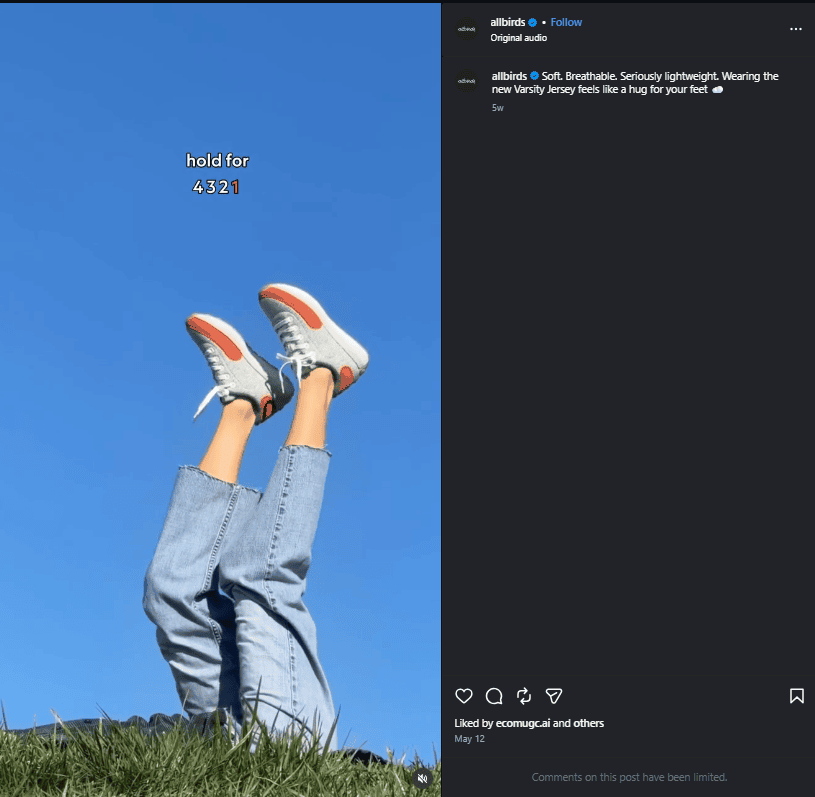
A real-world example is Allbirds (@allbirds), a footwear brand that uses Instagram ads to promote product launches and seasonal campaigns. Their ads often feature clean visuals and short videos that blend seamlessly into users’ feeds, driving traffic to product pages and boosting conversions.
How much should you spend on Instagram ads?
Ad costs vary, but many small businesses start with:
- $5–$20 per day to test campaigns
- Increased budgets once conversions are proven
The goal isn’t views. Instead, the focus should be on return on investment (ROI). Ads work best when paired with a clear offer and a strong landing page. Instagram ads don’t replace organic content, but they amplify it. When used strategically and guided by Instagram Insights, ads can turn high-performing content into consistent revenue growth.
Factors that affect how much you earn on Instagram
There’s no fixed amount of money you can make on Instagram. Two creators with the same follower count can earn very different amounts depending on their niche, engagement, audience trust, content quality, and monetization strategy.
Several factors play a bigger role than follower count alone:
- Engagement rate: Likes, comments, saves, and shares signal to both Instagram and brands that your content resonates with your audience. A smaller account with high engagement is often more valuable to brands than a larger account with low interaction, because engagement is closely tied to conversions.
- Niche: Some niches tend to attract higher-paying brand deals because the audience has stronger buying intent or higher lifetime value. Business, finance, tech, and fitness brands often pay more than general lifestyle niches, since their products and services typically have higher price points.
- Content quality: High-quality visuals, clear messaging, and strong storytelling help your content stand out in crowded feeds. When content feels thoughtful and well-produced—without being overly polished—it’s more likely to capture attention and drive action.
- Audience trust: Followers are more likely to buy or click when they trust your recommendations. Authentic content, honest opinions, and long-term consistency help build credibility, which leads to higher conversion rates over time.
- Real engagement: Buying followers or fake engagement won’t help you earn in a sustainable way. Fake followers usually don’t comment, share, buy, or subscribe. Brands can also notice when your engagement doesn’t match your audience size, which can hurt your chances of landing paid collaborations.
- Consistency: Posting regularly helps keep your account visible and signals reliability to both followers and potential partners. Consistency also gives you more data to understand what works, making it easier to refine your content and monetization strategy.
- Monetization mix: Relying on just one income stream can be risky if algorithms, platform features, or brand budgets change. Combining affiliate marketing, product sales, services, sponsored content, and other monetization methods creates a more stable income path.
With the right niche, engaged audience, and monetization strategy, even smaller accounts can generate meaningful income.
What do you need to earn money on Instagram?
To earn money on Instagram, you need more than just followers. Successful monetization depends on having the right account setup, complying with Instagram’s policies, maintaining strong engagement, and following a clear content strategy that aligns with Instagram’s monetization tools.
While the exact requirements vary depending on how you plan to monetize—such as brand partnerships, subscriptions, Live Badges, or selling products—there are several baseline criteria every creator and business must meet before they can earn revenue on the platform.
- Professional account
- Minimum age requirement
- Monetization policy eligibility
- Consistent engagement
Professional account
To access monetization features, you must switch your personal profile to a professional account, either a creator account or a business account. This is required for unlocking tools like Instagram Insights, branded content tags, shopping features, and monetization eligibility checks.
A professional account also signals credibility to brands and partners. It allows Instagram to assess your account’s activity, engagement, and compliance, which are all factors in determining access to monetization tools.
Minimum age requirement
Instagram requires creators to be at least 18 years old to use monetization features. This applies to earning through subscriptions, Live Badges, branded content, and other monetized tools.
This age requirement is tied to legal and financial regulations, especially around payouts and tax reporting. Accounts that do not meet the minimum age requirement will not be eligible for monetization, regardless of follower count or engagement.
Monetization policy eligibility
Your account must consistently comply with Instagram’s policies, including:
- Partner Monetization Policies
- Content Monetization Policies
- Community Guidelines
Accounts with repeated violations, such as posting restricted content, misleading promotions, or engaging in inauthentic behavior, may lose access to monetization features or be denied approval altogether. Even previously approved accounts can have monetization privileges removed if they fall out of compliance.
Consistent engagement
While some monetization tools have minimum follower requirements, engagement rate is often more important than audience size, especially for brand partnerships, affiliate marketing, and UGC opportunities.
Brands frequently prioritize creators with smaller but highly engaged audiences because engagement is a stronger indicator of trust and conversion potential. A niche creator with consistent interaction often earns more than a larger account with low activity.
How to build a clear content and growth strategy for Instagram
Before you monetize, you need a solid foundation. Successful Instagram earners don’t rely on random posting—they follow a clear strategy built around their audience, goals, and the type of value they want to provide.
- Create high-quality content: High-quality content doesn’t mean perfection, instead it comes from being intentional. Focus on posts, Reels, and Stories that educate, entertain, or solve a real problem for your audience, and aim to publish consistently so followers know what to expect.
- Engage with your audience: Replying to comments and direct messages helps build trust and makes your account feel more personal. Strong engagement also signals to Instagram and potential partners that your audience is active and invested in your content.
- Define your niche: Sticking to a specific topic or theme helps attract the right followers and keeps your content focused. A clear niche also makes it easier for brands, clients, or customers to understand your value and decide whether to work with you.
- Use analytics: Instagram Insights shows which posts, Reels, and Stories perform best, as well as who your audience is. Reviewing this data regularly helps you refine your content strategy, double down on what works, and avoid guessing.
Frequently asked questions
Instagram earnings vary widely. Some creators make a small side income, while others earn hundreds or thousands per month through sponsored posts, affiliate links, products, services, subscriptions, or courses. Your income depends on your niche, engagement, audience trust, and monetization strategy.
For Instagram-native tools like Subscriptions, Live Badges, Gifts, or bonuses, you’ll need to set up a payout account through Instagram or Meta. For affiliate marketing, sponsored posts, UGC, products, services, or courses, payments usually come from the brand, affiliate network, ecommerce platform, or client.
There’s no single follower count that guarantees payment. Some Instagram monetization tools have eligibility requirements, but methods like UGC, services, affiliate marketing, and selling products can work with a smaller engaged audience.
Instagram does not usually pay creators a fixed amount just because a post or Reel gets views. Views can still help you earn indirectly by attracting brand deals, affiliate clicks, product sales, service inquiries, or new followers.
Instagram doesn’t have a standard payout rate for every 1,000 views. If a creator earns from a bonus or monetization program, the payout depends on eligibility, region, content performance, and current Instagram terms.
Instagram does not pay a guaranteed amount for 1 million views. A Reel with 1 million views may earn nothing directly, but it can still lead to brand deals, affiliate sales, website traffic, product purchases, or new subscribers.
Beginners can start with affiliate marketing, UGC, services, or small digital products because these methods don’t always require a large following. Focus on a clear niche, useful content, and real engagement before adding more income streams.
Beginners can start with affiliate marketing, UGC, services, or small digital products because these methods don’t always require a large following. Focus on a clear niche, useful content, and real engagement before adding more income streams.
Turn your Instagram audience into real income
The most sustainable creators and small businesses usually don’t rely on one income stream. They combine methods that support each other, such as Reels for reach, affiliate links for product recommendations, a website for sales, and social tools for staying connected.
If you’re ready to monetize Instagram for the long term, start with a strong foundation: clear positioning, real engagement, consistent content, and a reliable online presence. Pairing Instagram with your own website helps turn attention into action and followers into lasting income.
Network Solutions can help you take that next step. When you register a domain, you get access to free marketing tools like the Coming Soon Page, Marketing Calendar, Customers app, and Social App. With the Social App, you can manage posts and activity in one place while building a stronger online presence beyond Instagram.
Find the perfect domain
Ready to register a domain name? Check domain availability and get started with Network Solutions today.