


Key takeaways
- AI can help small businesses improve content creation, customer insights, personalization, automation, and campaign performance.
- The strongest AI marketing strategy starts with clean data, clear goals, strong prompts, and human oversight
- Responsible use of AI in marketing protects brand voice, customer trust, and long-term marketing efforts.
If you run a small business, you know how hard it is to keep up with every task on your plate.
You need to write emails, post on social media, track ad spending, and figure out what your customers want. It takes a long time, making understanding how to leverage AI in marketing matter so much.
Artificial intelligence (AI) gives you a way to support your overall marketing strategy without burning out. You can use cutting-edge AI tools to handle market research, draft content, segment your email flows, and improve your ad targeting. It changes your marketing workflow by doing the heavy lifting on data analysis and analytics.
But AI doesn’t run on its own; you have to guide it. Using AI without human review, clean data, or clear brand voice guidelines can hurt your campaign performance. It takes human creativity to turn AI suggestions into campaigns that connect with real people.
In this guide, we’ll walk you through practical ways to bring AI into your business in 2026 so you can work smarter and see measurable results.
What is AI marketing?
AI marketing is the practice of using artificial intelligence technologies to make better decisions and connect with your customers more effectively.
For example, instead of guessing what your audience wants, you use AI tools and systems to analyze customer data and predict customer behavior.
These systems learn from customer interactions. Every time someone visits your website, opens an email, clicks an ad, or buys a product, the software gathers historical data. Over time, machine learning and natural language processing allow these AI marketing tools to spot trends you might miss. You can then use those insights to generate content, automate routine tasks, and improve your campaign decisions.
Here are a few ways businesses apply this right now:
- Chatbots for answering routine customer questions on your website
- AI tools for drafting blogs, emails, landing pages, and social media posts
- Predictive analytics for spotting customer behavior patterns and sales trends
- AI in marketing email flows for segmentation, send-time optimization, and subject line testing
- Ad platforms that optimize bids, targeting, and creative performance based on real-time feedback
- SEO tools that identify content gaps and search engine optimization (SEO) opportunities
Benefits of AI in marketing
Adding new software to your daily routine takes effort, so you need to know if the payoff is worth it. When you implement AI correctly, it improves how your business operates and connects with people.
Here are some more benefits of AI in marketing:
- Faster marketing decisions
- Stronger customer insights
- More personalized campaigns
- Improved campaign performance
- More time for strategy and creativity
Faster marketing decisions
Marketing teams often wait weeks to gather data analysis from a recent campaign to see if it worked. AI changes this by identifying patterns in real-time data immediately. You can see exactly which ads are falling flat or which emails are getting the most clicks. This means you can adjust your content, email sequences, and social campaigns faster than ever before.
While you still need to review the recommendation before acting, you get the actionable insights you need without the wait.
Stronger customer insights
You can only serve your audience well if you truly understand them. AI helps you analyze large amounts of customer data, customer feedback, browsing behavior, and purchase history in seconds.
You can spot what people care about and what problems they’re trying to solve. This leads to much better audience segmentation. When you gain deeper insights into your buyers, you build stronger customer relationships because you stop treating everyone like a generic target.
More personalized campaigns
Nobody likes receiving a generic promotion that has nothing to do with their interests.
AI helps you tailor emails, offers, product recommendations, and website messages to match what specific individuals actually want. When you create personalized campaigns, you naturally enhance customer engagement because the content feels highly relevant. The data supports this shift as, according to marketing industry surveys, roughly 73% of marketers rely on AI for improved personalization.
You just have to ensure your personalization efforts still respect privacy and customer preferences to maintain long-term customer satisfaction and trust.
Improved campaign performance
Running profitable campaigns requires constant adjustments. AI helps you monitor those campaigns, spot what’s working, and recommend immediate optimizations.
AI algorithms within ad platforms can analyze your ad targeting, landing pages, subject lines, and budget allocation to ensure your marketing analytics move in the right direction. While AI supports testing and makes optimization easier, remember that it doesn’t replace your core marketing strategy.
More time for strategy and creativity
Small business owners deal with significant operational challenges and tight budgets. You likely spend hours every week pulling reports or formatting emails. AI can take over those time-consuming tasks and routine assignments.
When you remove the busywork from your marketing workflow, you free up your schedule. You can position AI as a support system for human creativity. It gives you the space to think about the big picture and gain a true competitive advantage.
You have better things to do than struggle with complex web design code.
Bring your vision to life in minutes. Launch your professional site on your own terms using our intuitive Website Builder.

AI in marketing use cases
Aside from the benefits, you also need to know where these systems fit into your daily tasks.
Here’s a look at ways to apply these tools:
- Market research and strategy
- Content creation and SEO
- Email marketing and automation
- Audience segmentation and personalization
- Ad targeting and campaign optimization
- Analytics and reporting
- Customer service and customer experience
Market research and strategy
Building a marketing strategy takes deep research. You can use AI capabilities to quickly summarize current market trends, map out competitor positioning, highlight common audience pain points found in online reviews, and even forecast future trends in your industry.
You can also combine AI insights with your own industry knowledge to spot new opportunities. Just keep in mind that strong AI output depends on strong upfront research and careful prompting.
Content creation and SEO
Staring at a blank page slows down your content creation process. Generative AI and AI-powered tools can help you build outlines, write first drafts, draft meta descriptions, and build comprehensive content briefs based on search intent analysis.
You can even pair these AI-driven marketing content drafts and AI-generated content with an SEO tool to ensure you hit the right keywords. But writers must always review and edit the output for accuracy, originality, SEO, and brand voice before hitting publish.
Email marketing and automation
If you want to save time without sending generic blasts to your entire contact list, email marketing AI is the answer.
You can use it to segment your lists, brainstorm engaging subject lines, personalize messages, and trigger automated workflows based on customer interactions.
Harnessing the power of AI in marketing automation keeps your customer engagement or customer interactions high. You just need to have a human review these AI-powered solutions to confirm the tone, offer accuracy, and timing.
Audience segmentation and personalization
Treating your entire audience as one big group hurts your conversion rates.
AI can group your customers by interests, purchase history, engagement levels, and customer behavior. You can easily create distinct segments for repeat buyers, new leads, inactive subscribers, and high-intent visitors.
By using consumer data to create personalized campaigns, you deliver a much better customer experience. Just remember, always ensure you maintain strict privacy standards when handling customer data.
Ad targeting and campaign optimization
Managing pay-per-click (PPC) campaigns manually can drain your budget quickly.
AI algorithms can optimize your PPC bids, refine your ad targeting, run creative testing, and manage budget allocation around the clock. The software uses real-time data to adjust who sees your marketing campaigns and when. AI handles the real-time adjustments effortlessly, helping you optimize ad performance. However, your overall budget strategy and maximum spend limits still need human oversight.
Analytics and reporting
Staring at complex spreadsheets is rarely the best use of your time. AI can help you with data analysis. It summarizes performance data, identifies historical trends, and turns complex dashboards into clear insights. Research suggests that around 65% of marketers rely on AI for actionable insights.
You can ask your marketing analytics software simple questions about campaign reports, customer segments, customer insights, or specific channel performance.
AI can help surface insights quickly, though you should always double-check the raw data for accuracy before making major financial decisions.
Customer service and customer experience
Speed matters when people have questions. AI solutions like chatbots and customer service assistants can immediately answer routine questions, route complex requests to the right department, and identify common pain points. Sophisticated AI systems improve customer satisfaction by providing instant help, but human support must remain available for complex or sensitive customer interactions.
Current and emerging trends in AI marketing
AI marketing is still learning and advancing. And while there are limitations, this tool is, without a doubt, not just a passing trend but a necessity to succeed in the competitive marketing landscape.
The future of AI marketing is incredibly promising, with continued advancements and transformative potential. Here are some key aspects that are predicted to shape the future of AI marketing:
- Hyper-personalization
- Voice and visual search
- Enhanced customer engagement
- Data-driven decision-making
- Marketing automation and efficiency
- Ethical considerations and trust
Hyper-personalization
AI will enable even more granular personalization, with tailored experiences anticipating individual customer needs. Advanced algorithms and real-time data analysis will allow you to deliver highly personalized content, product recommendations, and offers. This fosters stronger customer connections and drives engagement.
Voice and visual search
The rise of voice-activated assistants and smart speakers will drive voice search integration into marketing strategies. AI-powered visual search capabilities will also become more prevalent. This enables users to search for products or information using images. Optimizing voice and visual search marketing efforts will be important to staying relevant in this evolving landscape.
Enhanced customer engagement
AI will continue to revolutionize customer engagement. Chatbots and virtual assistants will become more sophisticated. This provides seamless, personalized interactions across multiple touchpoints. AI-powered sentiment analysis will enable businesses to understand customer emotions and respond empathetically.
Data-driven decision-making
AI’s ability to analyze vast amounts of data will continue to drive data-driven decision-making in marketing. AI-powered predictive analytics will become more accurate and enable marketers to anticipate customer behavior, optimize campaigns, and allocate resources effectively. Real-time data insights will empower agile marketing strategies and faster adaptation to changing market dynamics.
Marketing automation and efficiency
We will see AI further streamline and automate complex marketing processes. Advanced automation tools will completely optimize email marketing, social media management, content creation, and campaign optimization across multiple platforms simultaneously.
This means you will spend significantly less time on repetitive tasks and routine tasks. Incorporating AI-powered solutions will free you up to focus entirely on strategy, relationship building, and your marketing workflow.
Ethical considerations and trust
As these systems evolve, ethical considerations will take center stage. You have to strike the exact right balance between deep personalization and strict privacy. Addressing biases in your data, ensuring complete transparency with your audience, and building genuine trust will shape the entire future of AI marketing. It’s also worth noting that AI’s energy consumption raises environmental concerns, pushing brands to think about sustainability alongside innovation
Businesses that prioritize ethical practices today will easily differentiate themselves and build much stronger, lasting customer relationships.
The future of AI marketing holds immense potential for businesses to create hyper-personalized experiences, optimize decision-making, and foster deeper customer engagement. Embracing AI technologies, staying ahead of emerging trends, and navigating ethical considerations will be vital for organizations leveraging AI’s transformative power in their marketing strategies.
Best practices for using AI in marketing
Jumping into new technology without a plan usually leads to frustration and wasted money. You need a solid framework to ensure you get actual value from these systems while protecting your business.
Here are some best practices to ensure your AI journey is successful:
- Start with a clear marketing goal
- Use clean and relevant customer data
- Keep humans in control
- Test AI tools before scaling
- Monitor performance and adjust often
Start with a clear marketing goal
Don’t buy software just because it sounds impressive. Your AI adoption should directly support a specific marketing strategy or business objective.
Decide if you need more leads, better email engagement, faster reporting, or stronger SEO. For instance, if a local bakery wants to increase repeat visits, it should look for tools that automate personalized loyalty emails, rather than buying a complex predictive analytics dashboard.
Always define the problem before you pick the right AI tools for your AI-driven marketing efforts.
Use clean and relevant customer data
Effective AI tools rely on data quality, accuracy, and relevance. If you feed the system incomplete, outdated, duplicated, or biased historical data, it won’t deliver accurate insights.
You have to clean up your consumer data and CRM records before running any data analysis. You also need a firm understanding of privacy rules to ensure you have proper consent to use that customer data in the first place.
Keep humans in control
AI systems should act as assistants, not your replacements.
Humans must always approve the final messaging, creative direction, ad targeting, and major budget decisions. If you let AI-generated content run wild without a review, you risk losing your unique brand voice and damaging customer satisfaction. Human creativity and emotional intelligence are required to ensure the final output actually resonates with your audience.
Test AI tools before scaling
Going all-in on new AI marketing tools across your entire business is risky. Start small instead. Pick one workflow, one single campaign, or one specific marketing channel. You might test AI solutions for drafting your SEO content briefs or use AI platforms to run subject line testing for a month.
Small, controlled tests during your initial AI adoption phase reduce your risk and clearly reveal what actually works for your specific audience.
Monitor performance and adjust often
AI is not a set-it-and-forget-it solution. The outputs and campaign results require ongoing review to remain competitive.
You need to track your conversion rates, overall engagement, lead quality, search rankings, and direct customer feedback. By keeping a close eye on your marketing analytics and campaign performance, you gather the actionable insights needed to continuously improve your approach and fix poor AI recommendations early.
How to implement AI in your marketing strategy: A step-by-step guide
Here’s a clear, step-by-step roadmap to successfully incorporate AI into your overall marketing strategy.
- Define clear business objectives
- Prepare your data
- Select the right AI tools
- Start small with a pilot project
- Train your team
- Integrate AI into your workflow
- Monitor and optimize performance
- Address ethical and regulatory concerns
Step 1: Define clear business objectives
Before diving into the world of artificial intelligence, it’s important to first understand what you’re trying to achieve. Think about the biggest challenges in your current marketing efforts and where implementing AI could have the greatest impact.
Do you want to improve how you reach new customers, automate manual tasks, or get a better understanding of your target audience?
Focus on tangible goals. Instead of a vague aim like “improve lead quality,” set a specific, measurable objective such as “increase qualified leads by 25% within six months” or “cut customer response time by 50%.”
Step 2: Prepare your data
Your AI tools are only as good as the data you feed them. A thorough audit of your existing data is a vital step toward success.
Start by mapping out all your data sources, including your customer relationship management platforms, analytics, customer feedback, and campaign results, to get a clear picture of what you have.
Check your data quality. AI needs clean, reliable information to deliver accurate, actionable insights. Look for and fix issues like outdated entries, duplicates, or missing fields that could skew your results. You should also ensure data entries are consistent, with standardized formats for dates, names, and other key information.
Step 3: Select the right AI tools
Start by identifying the AI tools that solve your biggest problems, whether that’s content creation, automation, or analytics. Choosing the right AI solution means finding tools that align with your specific marketing needs. Not all AI platforms are created equal, and the wrong choice can be a costly mistake.
Start by identifying the tools that solve your biggest problems.
- If your primary goal is to improve lead quality, look at AI-powered lead scoring platforms.
- If you want to increase your engagement, consider tools that specialize in content personalization.
When evaluating a tool, consider how well it will integrate with your existing systems. A tool with amazing features is useless if it doesn’t work with your current marketing stack.
Always take advantage of free trials and demo periods to test the tool’s effectiveness with your own data and in your unique business context.
Step 4: Start small with a pilot project
To minimize risk and build confidence, begin with a focused pilot project rather than a full-scale rollout. Select one specific marketing challenge where AI can deliver immediate, measurable results.
For example, use AI for email subject line optimization for a single campaign or leverage predictive analytics to target a new market segment.
Define clear success metrics for your pilot. Track specific key performance indicators (KPIs) like lead conversion rates, customer engagement levels, or time saved. A small, manageable pilot allows you to quickly identify and fix any issues before a larger deployment.
Step 5: Train your team
The human element is just as important as the AI technology itself. Your team needs to be comfortable with and skilled at using the new AI tools. Provide comprehensive training that covers both the technical operation of the tools and their strategic application.
Create a learning environment that encourages experimentation and questions. While some team members may need hands-on training with the platform, others may need guidance on how to interpret and act on AI-generated insights. Consider hosting regular workshops where your team can explore new, creative ways to leverage AI in your campaigns.
Step 6: Integrate AI into your workflow
Once your pilot is a success, you can begin integrating the AI tool into your core marketing workflows. Start by connecting the new tool with your existing marketing stack, including your CRM and email platforms. Focus on processes where AI can deliver the most immediate impact, such as automating ad targeting or personalizing customer communications.
Monitor how your team adapts and uses the new tools. Gather feedback from them and make adjustments as needed to ensure the technology is both effective and user-friendly.
Step 7: Monitor and optimize performance
AI isn’t a “set it and forget it” solution. To ensure you’re getting the most out of your investment, you need to continuously monitor and optimize its performance. Watch key metrics like conversion rates and customer engagement to catch any issues early.
Use A/B testing to compare different strategies and find what works best. The data you collect can also be used to retrain your AI models, improving their accuracy and relevance over time. Keep your team informed about the results so they can see how AI is contributing to their success.
Step 8: Address ethical and regulatory concerns
Finally, it’s vital to use AI responsibly and ethically. Ensure your practices comply with all relevant data privacy laws, such as the General Data Protection Regulation (GDPR) and the California Consumer Privacy Act (CCPA). Always get clear consent from customers before collecting their data and be transparent about how that information will be used.
Take steps to secure customer data through encryption and other security measures. Regularly audit your AI tools for bias to ensure they are not unfairly treating different customer groups. Transparency is key—letting customers know when they are interacting with an AI-powered tool.
What are the ethical considerations in the use of AI in marketing?
One of the greatest hesitations marketers face when using AI is the ethical considerations it raises. When you take these ethical guidelines seriously, you ensure your marketing practices respect privacy, uphold fairness, and foster genuine trust. Striking the right balance between marketing innovation and responsible behavior is the only way to build sustainable tactics.
To set the record straight, here are the main ethical concerns you should watch out for when you plan to use AI tools in your digital marketing strategy:
- Privacy and data protection
- Bias and fairness
- Transparency and explainability
- Consumer empowerment and consent
- Accountability and oversight
Privacy and data protection
AI systems rely heavily on vast amounts of customer data and consumer data, raising privacy and data protection concerns. You should prioritize obtaining proper consent for data collection and ensure secure storage and responsible handling of customer information. Transparent privacy policies and compliance with data protection regulations are important.
Bias and fairness
Algorithms are trained on existing data, which often contains historical biases. You must address and mitigate these biases to ensure fair and equitable outcomes. Regular audits of AI models, diverse training datasets, and ongoing monitoring are necessary to prevent discriminatory practices and ensure fairness in targeting, recommendations, and decision-making.
Transparency and explainability
AI-powered marketing systems should be transparent and explainable to build trust with customers. Your audience deserves clear communication about the use of AI and the data collected. You should explain when automated decisions impact customers and offer ways for them to speak to a real person.
Consumer empowerment and consent
Empowering consumers means giving people control over their marketing preferences. You should enable your audience to easily manage or delete their information.
Accountability and oversight
Establishing accountability and oversight mechanisms for AI marketing is a must. Businesses should have processes to regularly evaluate their tools, monitor their performance, and address any issues. Always have a human verify AI-generated content and targeting decisions before they go live to protect your brand voice and ensure high customer satisfaction.
Tips for responsible AI use
For an effective AI adoption without risking trust, keep these responsible practices in mind:
- Be transparent: Tell customers when AI materially shapes messaging, recommendations, or support experiences
- Prioritize human oversight: Review all AI-generated content, audience segments, and campaign recommendations thoroughly before publishing or launching anything.
- Protect customer data: Use only the information you have explicit permission to use and avoid uploading sensitive customer details into tools that are not fully approved and secure.
- Watch for bias: Review your system outputs and targeting recommendations regularly to make sure your marketing campaigns don’t exclude or misrepresent specific customer groups.
- Preserve your brand voice: Treat AI systems strictly as a drafting assistant and refine every single output so it sounds like your actual business and supports human creativity and customer satisfaction.
Real-life examples of how AI is leveraged in marketing
Many businesses are already seeing massive success with AI. For example, Netflix uses a machine-learning-powered recommendation engine to suggest movies and shows, which significantly impacts user engagement and retention.
E-commerce giant Alibaba uses AI to personalize the shopping experience for millions of customers, leading to higher sales and a more efficient customer journey. These examples show that AI is not just for tech giants. With the right tools, businesses of different sizes can use AI to create more relevant, efficient, and personalized customer experiences.
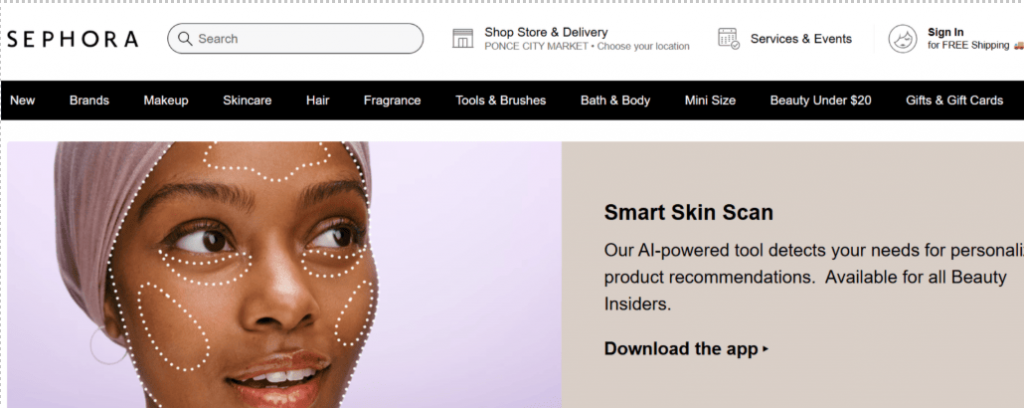
- Sephora: Uses AI Beauty Chat for product recommendations and Smart Skin Scan for personalized skincare routines based on skin concerns and customer needs.
- Spotify: Uses AI-powered features like AI DJ, daylist, and AI Playlist to personalize music discovery and create playlists from user prompts.

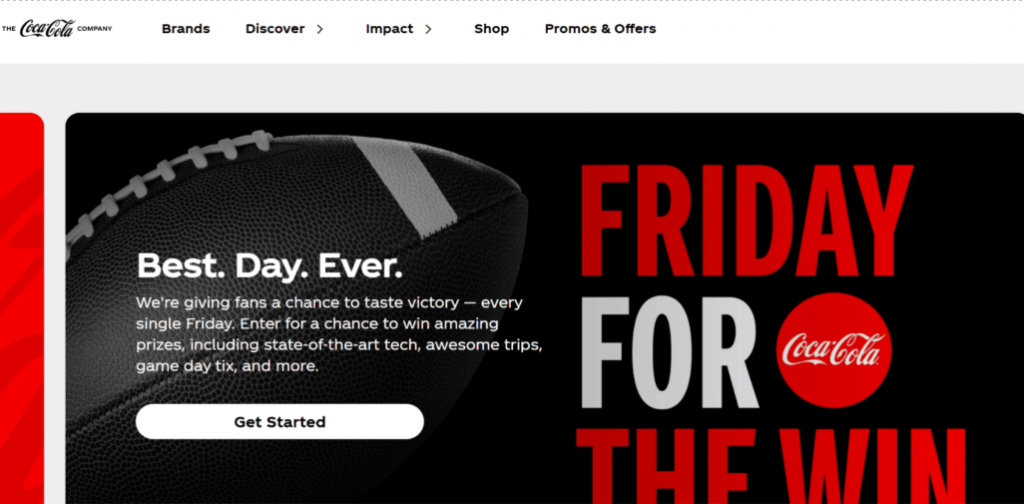
- Coca-Cola: Analyzes consumer data to design new flavors and campaigns.
- Netflix: Uses machine learning recommendations to personalize what viewers see, improve content discovery, and support engagement and retention.

The common thread? These brands align their technology with a customer-centric strategy, rather than just using it to cut costs.
This level of customized guidance naturally boosts customer satisfaction, leading to stronger customer relationships.
Frequently asked questions
How can small businesses leverage AI in marketing?
Small businesses can use AI tools to speed up their daily marketing workflow. You can use it for drafting content, optimizing SEO, segmenting email lists, managing ad budgets, tracking analytics, and providing basic customer service. Start small by automating just one repetitive workflow first to learn the process.
What are the best AI tools for marketing?
The right AI tools depend entirely on your specific business goals rather than industry hype. Look for dedicated AI marketing platforms categorized by your needs. There are excellent tools specifically built for content creation, SEO optimization, email automation, ad management, data analytics, and customer support.
Can AI replace marketers?
No. While AI systems can easily automate repetitive tasks and surface hidden data insights, human creativity is still required. Marketing professionals are essential to guide high-level strategy, uphold ethical standards, build genuine relationships, and ensure the brand voice remains authentic.
Is AI-generated marketing content safe to use?
AI-generated content is generally safe and useful when reviewed carefully by a human. You must always fact-check claims, edit for flow, check for potential plagiarism, and refine the text to match your unique brand voice. Doing so ensures high customer satisfaction.
How do you measure AI marketing success?
You measure success by tracking metrics tied directly to your original goals. Review your website traffic, search rankings, conversions, engagement rates, campaign performance, and direct customer feedback. Strong marketing analytics and actionable insights will clearly show if the new approach is saving you time and driving revenue.
Stay in control of your AI marketing strategy
You don’t need to automate your entire business overnight to remain competitive. The smartest approach is to start small.
Pick one clear goal, focus on one specific workflow, and aim for one measurable outcome. Once you see how it improves your customer experience and daily marketing efforts, you can confidently expand your AI marketing strategy.
If you’re ready to take the next step in growing your business, we provide the infrastructure you need.
From securing your ideal name with our AI Domain Name Generator to building your site with our Website Builder, we make the process simple. You can also protect your audience with SSL certificates and SiteLock, establish professional communication via Google Workspace, and explore all our domains to anchor your brand securely online.
You have the tools and the strategy; now it’s time to make this technology work to help you break through.