


Key takeaways:
- A parked domain remains registered but isn’t connected to an active website or email service, so it stays reserved until you’re ready to use it.
- Parked domains can support future use, brand protection, resale, or limited monetization, depending on your goals and how you manage them.
- Domain parking doesn’t end after registration. Renewals, ongoing oversight, and good security practices help reduce security risks and keep your domain under your control.
Buying a domain name doesn’t mean your new website has to go live immediately. Many people complete domain registration months before launching their site. During that time, an unused domain may become a parked domain that keeps your domain reserved for future use until you’re ready to publish.
This guide explains what is a parked domain, why people park domains, the different types, and the potential risks to watch for. You’ll also learn ways to earn money from one, what to do next, and how to decide whether you’re managing it solo, running a business, or building out a domain portfolio.
Find the perfect domain
Ready to register a domain name? Check domain availability and get started with Network Solutions today.
What is a parked domain?
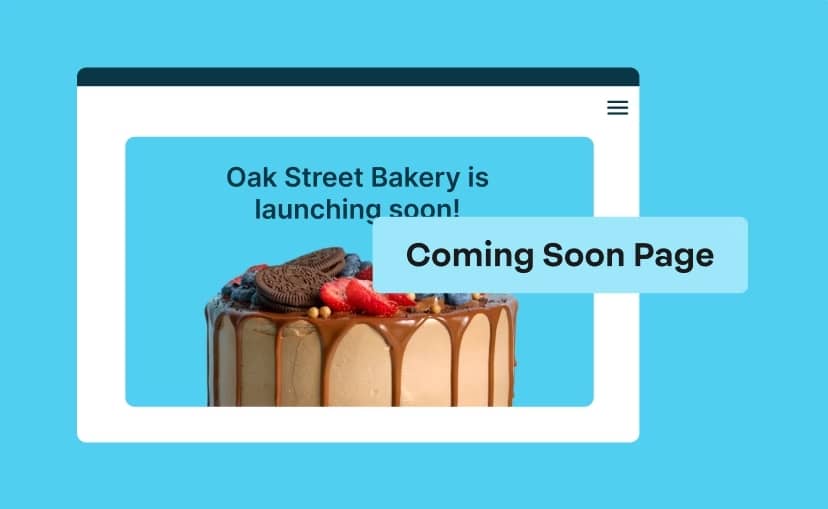
A parked domain is a registered domain name that isn’t connected to an active website or email service. Instead of a live site, it may display a placeholder page, a “Coming Soon” message, ads, a “For Sale” notice, or another generic page. As long as it’s renewed, the domain remains registered to its owner.
So what it means when a domain is parked is straightforward: the domain has been claimed, but nobody’s actively using it yet. That said, it’s not the same thing as being:
- Available for registration
- Expired
- Abandoned
- Malicious
What visitors see depends on the owner’s DNS settings and DNS records. Those settings determine where the domain points, so one parked domain page may look completely different from another.
Why park a domain?
People park domains for several reasons, from securing a valuable name to protecting a brand or investing for resale. Parking a domain is free, but you won’t earn money from it unless you use domain parking services. Even so, it offers several benefits.
- Secures a valuable domain name
- Prevents cybersquatting
- Pursues domain investing
- Waits for a domain to expire
Secures a valuable domain name
You come across a great domain name, but you’re not sure what to do with it just yet. So why wait and risk someone else grabbing it? Once you register it, you can leave it parked as long as you keep up with renewals.
While others could still challenge it through trademark laws, domain registrations often discourage people from trying.
Prevents cybersquatting
Cybersquatters are opportunists who register domain names similar to yours just to block you from using them. And if you want them back? They’ll ask for a premium.
Domain owners can fight it, but the process can take up to 60 days. In that time, these hackers could do a lot of damage. Even with valid domain registrations, it’s not always a quick win. This is why many website owners choose to pay the ransom rather than risk the fallout.
To avoid that, it’s much safer and more affordable to register those variations right away. Even if you just keep them parked under your account, they’ll remain in your control. You can also configure null MX records for these registered domains to help prevent others from spoofing your domain or sending fake emails under your name.
Pursues domain investing
The longer you hold on to a domain, especially one with strong potential, the more likely it is to grow in value. It’s a long-term investment, but if you’re patient, it can definitely pay off.
Selling a parked domain is a relatively low-risk and legitimate way to earn online. Some domain investors make thousands each month by flipping multiple names. Just make sure the domains you buy aren’t tied to trademarked brands. Otherwise, you could run into cybersquatting issues.
If domain investing sounds interesting, here are a few tips to help you get started:
- Follow trends: Stay updated on popular topics and growing industries. This will make it easier to spot domain names that could rise in value.
- Go for short and brandable names: Domain names that are easy to remember, spell, and market often attract the most attention. A good trick is to check top-selling products and pull relevant keywords to guide your ideas.
- Stick to trusted extensions: Buy multiple domains with popular extensions like .com, .net, and .org. These are more familiar to users and tend to attract more traffic. Even if you don’t land a premium domain name, you’re more likely to get better resale value with these trusted extensions.
- Watch for recently expired domains: Some expired domains still carry SEO value from backlinks on high-authority sites, which can make them great additions to your portfolio. Just be careful. Since they were once tied to active brands, they’re more likely to come with trademark issues.
- Use domain marketplaces: Sell your parked domains where potential buyers are already looking. Auctions and trusted marketplaces may charge a commission, but they also provide a secure environment that helps build buyer confidence.
Do note that while domain investing can be exciting, it often takes time. It could be months or even years before you see a return. Still, a parked domain can grow significantly in value over time.
Waits for a domain to expire
If you fail to renew your registration, your domain registrar may point it to a domain parking page or expiration notice during the renewal and recovery period. While they’ll give you a short grace period to recover it, the parked status signals to others that the domain may soon become available again.
Types of parked domains
Some people register domains because they see value in the name itself, not because they plan to build a website. They buy valuable domains to flip/sell later. But that’s not the only reason people park domains.
Here are the most common types:
- Future-use domains
- Brand-protection domains
- Monetized parked domains
- Domains parked for sale
- Registrar-default parked domains
Future-use domains
Many people buy new domains or keep existing ones parked for future use. Maybe you’ve found the perfect domain for a new website, product, or marketing campaign, but the timing isn’t right yet. This gives you room to plan, build your intended content, and prepare for launch without giving up the name you’ve already secured.
Jennifer Weir, Senior Product Manager at Network Solutions, says that even if you’re not ready to launch, you can still put your domain to work with a branded Coming Soon page and contact form that introduces your business and lets interested visitors get in touch.
Brand-protection domains
If you’re building a brand, one domain usually isn’t enough. Many businesses register multiple domains, including different extensions, alternate spellings, and common misspellings, to help protect their brand.
This approach can help you:
- Reduce the chance of typos that confuse customers
- Limit opportunities for threat actors to create phishing or impersonation sites
- Direct visitors from those domains to your main site or primary domain, so they always reach the correct website
That’s different from cybersquatting, where someone registers domains to profit from another company’s brand. If your business has a trademark, defensive domain registrations can also support your broader brand protection efforts. This isn’t uncommon, either. Our Domain Industry Report found that many businesses register additional domains as their online presence grows.
Monetized parked domains
An unused domain doesn’t have to sit idle. Some owners use domain parking services to display ads while they decide what to do with it. A parking service connects your domain to ad networks, which display ads that match the domain or its visitors.
When visitors click those ads, you may earn ad revenue through pay-per-click (PPC) advertising. While monetized parked domains can generate revenue or provide a small source of passive income, earnings depend on traffic and ad engagement. Because of this, cash parking isn’t a guaranteed or high-return income source.
Domains parked for sale
Not every parked domain is waiting for a website. Some domain investors and domain owners buy valuable domains with the goal of selling them later.
If someone is interested, you can sell your domain through:
- A domain marketplace
- A broker
- A direct sale to the buyer
For those managing large portfolios, this can be part of a broader domain investing strategy. Just remember that registering domains that infringe on trademarks can lead to legal disputes and damage your reputation, so it’s important to choose domain names responsibly.
Registrar-default parked domains
When you register a domain, most domain registrars display a default page until you connect it to web hosting, a website builder, a redirect, or another service.
This page is temporary. It lets visitors know the domain has been registered, even though your website isn’t live yet. You can manage or replace it anytime through your customer account.
Once you update your DNS settings or DNS records, visitors are directed to the server that hosts your website instead.
Your domain is waiting. What’s next?
A parked domain is just the beginning. Build your website when you’re ready and start turning visitors into customers.

Disadvantages of a parked domain name
Before you jump into purchasing multiple domain names just to end up parking them, it’s important to consider the drawbacks of using a parked domain such as the:
- Lack of active branding
- Limited potential for search engine optimization (SEO)
- Risk of losing a parked domain
Let’s explore these potential downsides further so you can make an informed decision.
Lack of active branding
Unless your domain registrar displays a “Coming Soon” or “Under Construction” message, there’s no clear sign that your website is in progress. Most parked domain pages show generic ads or error messages, which do nothing to represent your brand.
If you’re sure about launching your site, it’s better to activate/unpark your domain. Even a single landing page with your logo, a short message, or contact info can help establish your brand early. It shows visitors that something is coming and gives your domain a more professional look than a generic parked page.
Limited potential for search engine optimization (SEO)
A parked domain isn’t an active website, so it won’t build visibility across the internet or gain SEO value until you publish content. That also means it won’t attract organic traffic. If you already have a primary domain name, the most you can do is redirect your parked domain to it.
Even if your parked domain displays a “Coming Soon” or “Under Construction” message, visitors won’t have anything to engage with. And if your domain registrar decides to display ads, it can make the page seem spammy, especially to users who were expecting a real website. This lack of substance can hurt your domain’s credibility in the long run.
Risk of losing a parked domain
A parked domain isn’t completely safe. A domain owner risks losing a parked domain if it expires. Renew your domain registration on time or enable auto-renew. Features like domain locks help prevent unauthorized transfers, while an SSL certificate protects your live website once your parked domain goes online. Make sure to check the guidelines of your domain registrar or web hosting provider too. Some offer ways you can avoid losing an expired domain such as domain expiration protection.
How to earn money through domain parking
There are two main ways to generate revenue from a parked domain. You can use domain parking services or work with a domain marketplace.
Domain parking services
Unlike your registrar’s default parking setup, domain parking services actually let you generate ad revenue. You’re not renting it out, exactly—but you do get a commission based on how many people click on or view the ads placed on your parked domain.
There are two main ways this works:
- Pay per click (PPC): You earn money whenever someone clicks on an ad displayed on your domain. These ads are usually tied to keywords related to your domain name.
- Cost per impression (CPM): This model pays you based on how many people view the page. You’re typically paid for every 1,000 impressions, even if no one clicks.
Domain marketplaces
This is where you can auction off or resell your unused domain name. While you could try selling it elsewhere, domain marketplaces are where most buyers go for private, secure transactions.
Many of these platforms also offer added tools to help boost your chances of making a sale. You’ll find features like domain appraisals, traffic insights, and the option to promote your listing for more visibility. Some even offer domain brokers who can help negotiate deals or connect you with interested buyers.
Domain marketplaces also let you customize your parked pages. You can add a “For Sale” banner, choose ad categories, and include a contact form or pricing info to attract serious buyers.
Frequently asked questions
Think of a parked domain as putting a “Reserved” sign on a web address. The domain is yours, but you’re still deciding what comes next, whether that’s launching a website, protecting your brand, or finding a buyer.
Not always. A parked domain is already a registered domain name, so it isn’t an available domain by default. However, you may be able to buy it if the domain owner has listed it for sale or is willing to sell.
A parked domain can remain parked indefinitely as long as it remains registered and you continue renewing it. Your registrar will notify you when it’s time to renew to help you keep ownership.
Yes, most parked domains are safe. However, some can pose security risks if they’re used for malicious purposes, such as phishing or impersonation. Following good domain security practices helps protect both domain owners and visitors.
Yes, a parked domain can generate revenue through domain parking services that display ads. However, ad revenue and passive income depend on visitor traffic, so earnings aren’t guaranteed.
No. Domain parking keeps a domain inactive, while a redirect automatically sends visitors to your main site or another primary domain.
Take control of your parked domain
A parked domain can be a smart choice when it has a clear purpose, whether it’s for future use, brand protection, or resale. Once you’re ready to move beyond parking, Network Solutions makes it easy to take the next step. Search for your next domain, create a free AI-powered Coming Soon Page, or use the AI Domain Name Generator to explore new ideas while you build your online presence.
Don’t let the perfect domain slip away
Generate unique domain name ideas with AI, then register the one you love before someone else does.