


Key takeaways:
- A short, memorable, and easy-to-spell domain name that’s free of trademark restrictions has the potential for stronger long-term growth and customer recognition.
- Buying a domain usually involves selecting a name, choosing an ICANN-accredited registrar, verifying availability, verifying your registration, and finalizing the purchase.
- Premium domains may provide branding advantages, but well-chosen standard domains can be just as effective at a significantly lower cost.
If you want to build a website, your domain is one of the first things you need. It gives your business a unique web address, supports your online identity, and helps customers find you online.
Learning how to buy a domain name isn’t complicated, but making the right choice matters.
More businesses continue to build online, with domain name registrations across all top-level domains reaching 386.9 million by the end of Q4 2025. That doesn’t mean finding the perfect domain name is impossible, but it does mean it is smart to search early, compare your options carefully, and register a domain name before someone else claims it.
This guide explains how to buy and register a domain name, from choosing the right name and registrar to verifying your domain registration and setting up your website.
Find the right domain for your website
Search, compare, and register a domain name that fits your brand before someone else claims it.

What is a domain name?
A domain name is the web address people type into a browser to visit a website. Instead of remembering a long IP address, visitors can enter a simple name, such as example.com or google.com, to reach a site.
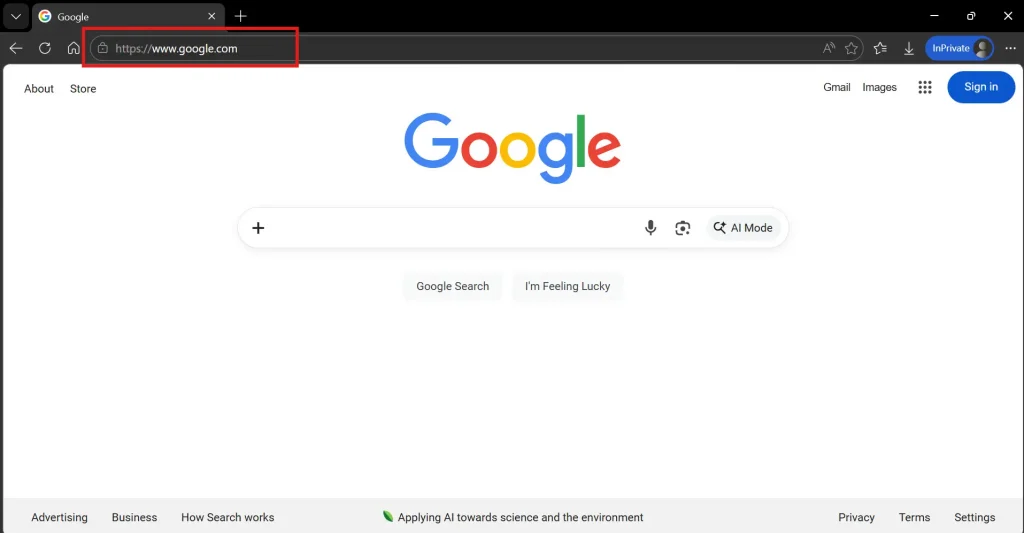
A domain has several parts:
- www: A common subdomain
- example: The unique name selected by the registrant
- .com: The top-level domain (TLD), also called the domain extension
Behind the scenes, the Domain Name System (DNS) connects the domain to the correct IP address. Domain registries manage TLDs, while domain name registrars handle registrations for the end user. The Internet Corporation for Assigned Names and Numbers (ICANN) coordinates the global domain name system and accredits qualifying registrars.
Remember that the right domain is more than an address. It can strengthen your brand identity, make your business appear more credible, and help customers remember your website.
How to buy a domain name for your website
Learning how to buy a domain name comes down to four core steps. The process is similar across most domain registrars:
- Pick a domain name
- Choose a domain registrar
- Search the availability of your domain name
- Complete the purchase
Step 1: Pick a domain name
Start by creating a shortlist of domain name ideas that fit your business and sound natural when spoken aloud. Your desired domain name should reflect your brand identity while leaving room for your products, services, or audience to grow.
A straightforward domain is often better than a clever name that is difficult to understand or type. You can also include a relevant keyword when it makes sense, but avoid overstuffing keywords or making the name appear spammy.
If your first idea is unavailable, consider clear, on-brand variations. An AI domain generator can help you brainstorm ideas, but always check each suggestion for domain availability, trademarks, clarity, and fit before registering it.
Need help naming your domain?
Use our AI Domain Generator to get fresh, brandable domain ideas based on your business.
Domain name best practices
According to Jeff Houser, director of product support at Network Solutions, “Clear and memorable domains always win. Picking a domain name that is both easy to remember and easy to spell out in a search bar optimizes the chances of someone finding your business again after hearing about it through word of mouth.”
Use these key practices:
- Keep the domain short, simple, and easy to remember.
- Avoid numbers, hyphens, unusual spellings, and long strings of words.
- Choose a .com domain when it fits your brand and is available.
- Check for copyright and trademark conflicts before registering.
- Research a previously owned domain’s history for signs of spam or phishing.
- Avoid an overly niche name that could limit future growth.
You can read our complete small business domain name guide for more tips.
Identify your domain extension
A domain extension is the ending of a web address, such as .com, .net, or .org. These endings are also called TLDs. Domain registries manage each extension, while domain registrars handle registration and account services.
Houser explains, “Choosing the right domain name isn’t complete without choosing the right extension; every domain name has to have one. The .com extension is very popular, and it’s often the best choice because it’s familiar and trusted by users.”
A .com domain is a strong default for broad recognition, but other options may suit your audience:
- A country-code TLD (ccTLD), such as .uk or .ca, can target a location. Some have eligibility requirements.
- A generic TLD (gTLD), such as .shop, .tech, or .design, can communicate your industry or purpose.
Explore our domain extension guide for a full breakdown.
Premium vs. regular domains: Which one to buy?
You may also come across two types when you buy a domain: premium domains and regular domains.
- Premium domains are short, memorable, and often contain popular keywords, making them more expensive and considered valuable in the market. These domains can improve your brand’s visibility and credibility. However, the high domain price may not always justify the investment, especially for smaller businesses or new websites. Michael White (VP, Product Management and Domain Aftermarket) reminds, “Buying a premium domain is like purchasing a property at a listed price—usually a higher cost close to market value.”
- Regular domains are usually a new domain available at a standard registration price. They’re more affordable and widely available. They may not be as short or keyword-rich, but with strong branding, they can be just as effective. These are budget-friendly and provide plenty of opportunities to build a memorable online presence.
Both premium and regular domains can work depending on your budget and goals.
However, for first-time website owners, small business owners, and solopreneurs, a regular domain is often the smarter starting point. It keeps the upfront cost lower while still giving you a unique web address you can build on.
A premium domain can make sense if the exact name has strong branding value and fits your long-term goals.
| Factor | Premium domain | Regular domain |
|---|---|---|
| Cost | Higher upfront cost | Lower cost |
| Best for | Businesses treating the name as a branding asset | First-time buyers and budget-conscious brands |
| Main benefit | Strong memorability and brand appeal | Easier entry point and more low-cost options |
| Main drawback | Can be expensive to purchase | May require more flexibility |
| Best choice when | The name itself is strategically valuable | You want a practical and affordable launch |
Want a domain with built-in brand power?
Explore premium domains that are short, memorable, and ready to support a stronger online identity.

Step 2: Choose a domain registrar
A domain registrar is a company authorized to sell and manage domain names on your behalf. While there are many domain name registrars on the market, you should pick an ICANN-accredited registrar, as they meet industry standards for security and reliability.
Likewise, pay attention to more than just the initial price. A good rule of thumb is to compare at least 3–5 registrars before buying, so you can make an informed decision about the money you invest.
Consider these criteria when comparing options:
- Starting price: Look at the first-year rate. Many offer heavy discounts upfront.
- Renewal rate: Check what you’ll pay after year one. This is often where costs rise.
- Privacy protection: Check if they offer WHOIS privacy to hide your contact details from public databases.
- Customer support: Look for responsive support channels, such as phone, chat, or email.
- SSL certificates: Some registrars include SSL certificates; others sell them separately.
- Transfer policy: Know how easy it is to transfer your domain to another registrar if you change your mind later.
What’s the best domain registrar?
The best domain registrar depends on what you value most. For some, that means low-cost registration. For others, it means advanced security, privacy protection, and access to bundled hosting and email in one place. A registrar that lets you easily transfer your domain later is also a smart long-term choice.
It’s best to choose an ICANN-accredited registrar with transparent pricing, reliable support, simple DNS management, and services you can actually use after checkout.
If you want fewer moving parts, choosing a provider that lets you buy domain names, set up hosting, create a professional email, and manage your account from one platform can make the process much easier.
Match your email to your domain
Build trust with a professional email address that uses your domain name.

Step 3: Search the availability of your domain name
Use your registrar’s domain search tool to check domain name availability. Enter your desired domain, and the tool will show whether it is available to register in just a few clicks.
Find the perfect domain
Ready to register a domain name? Check domain availability and get started with Network Solutions today.
If the name is taken, review suggested alternatives and other available domain extensions. A slight variation can still work if it remains clear, memorable, and consistent with your business name.
Before making a final choice, check the domain’s history, competing websites, trademarks, and social media availability. This research can help you avoid a name previously connected to spam, phishing, or another established brand.
Can I buy a domain that’s already been taken?
Yes, you may be able to buy a domain already taken through an aftermarket marketplace, direct contact with the owner, a domain broker, or a backorder service. However, the owner is not required to sell, and high-demand domains may cost significantly more.
Read our guide on how to buy a domain name that’s taken before contacting an owner or making an offer.
Step 4: Complete the purchase
Once you find the right domain, review the registration details before checkout. Confirm your contact details, registration period, expiration date, domain renewal cost, and optional add-ons. Domain registration typically gives you the right to use a name for a set period—often 1 to 10 years—rather than permanent ownership.
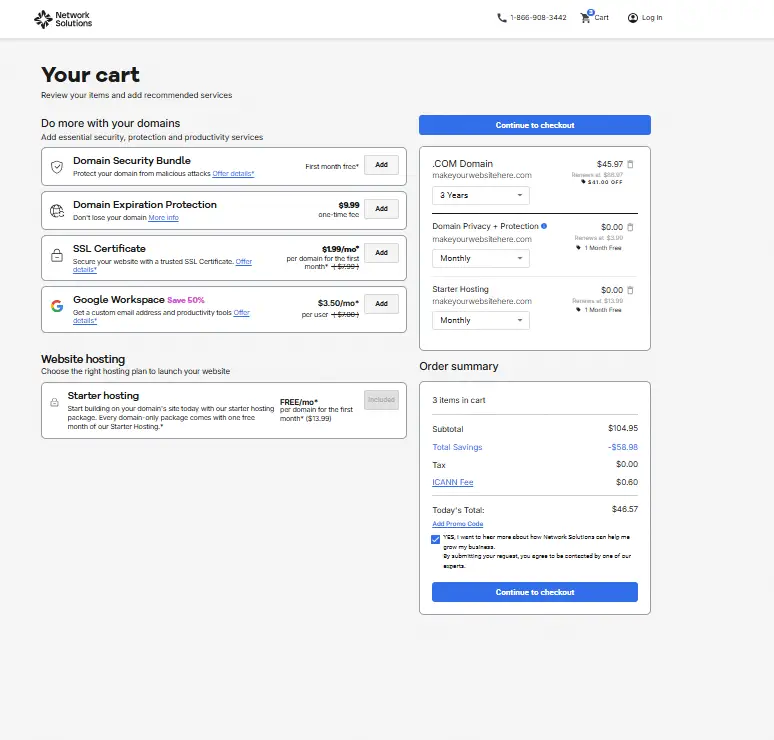
Decide whether you also need domain privacy, web hosting, professional email, or SSL certificates. Turn on auto-renewal if you want the registrar to automatically renew the domain, but keep your payment and contact information current.
After completing the purchase, look for a verification email from your registrar and follow its instructions. Verify your registration to confirm that your email address is valid. If you skip the verification step, your domain may be suspended or placed on hold until the process is completed.
How much does a domain name cost?
A standard domain name commonly costs around $10–$20 per year, although the exact domain price depends on the TLD, registrar, promotions, and demand. Specialty extensions may cost more than common options, while premium domains can sell for hundreds or thousands of dollars.
Free domains are sometimes included with eligible annual web hosting or website builder plans, but they typically renew at the regular price. Always compare the first-year rate with the domain renewal cost and check for add-ons or extra fees.
Read our guide to how much a domain name costs for a detailed breakdown.
What to do after you buy a domain name
The process isn’t over after buying a domain. Here’s a quick checklist of highly recommended steps you should take if you want to launch smoothly and manage your domain well:
- Turn on auto-renew and make sure your account details are correct.
- Update your DNS records so the domain points to your site, email, or landing page.
- Connect the domain to hosting so visitors can access your website.
- Set up a professional email that matches your brand.
- Add privacy protection or WHOIS privacy protection if available.
- Review your security settings and any advanced security options.
- Keep everything easy to manage from one platform if possible.
These steps matter because domain ownership is only the beginning. You still need to connect it to the tools and services that help your business work online, including hosting, email, and website setup.
But don’t worry if you’re still lost. We have a guide to help you if you’re still asking yourself, “I bought a domain name…now what?”
Turn your domain into a website
Once your domain is ready, use our Website Builder to create a professional site without coding.
Common mistakes to avoid when buying a domain
A domain purchase is simple, but the wrong choice can lead to extra costs, limit your branding, or make your domain harder to manage later. Avoid these common mistakes:
- Choosing a domain name that is too long, hard to spell, or too close to another brand: A good domain should be easy to remember, easy to type, and easy to share. If your domain is confusing or too similar to another business, visitors may end up on the wrong site or forget your name altogether.
- Focusing only on a low-cost first-year deal and ignoring hidden fees or renewal pricing: A low starting price does not always mean a better deal. Before you complete your domain purchase, check the full cost, including renewal pricing, add-ons, and any hidden fees that may come later.
- Skipping domain privacy or other privacy protection options when they matter: Domain privacy can help protect your contact details and reduce unwanted spam or outreach. If privacy matters for your business or personal account, review those options before you register.
- Choosing a registrar that makes it hard to manage DNS records or transfer later: The right domain registrar should make it easy to manage your domain, update DNS records, renew your registration, and transfer if needed. A weak platform can create problems long after the initial purchase.
- Rushing to buy a domain without comparing domain extensions or creative alternatives: If your first choice is not available, do not force a poor match. Compare other domain extensions and creative alternatives that still support your brand and give you a strong online identity.
- Buying a domain name that does not support your brand identity or long-term business goals: Your domain is part of how customers find and remember your business. The right domain name should fit your brand today and still make sense as your website, services, and audience grow.
Frequently asked questions
You cannot permanently buy a domain name. Instead, you register it for a set term, usually 1 to 10 years, and renew it to keep it. While some registrars advertise “lifetime” or “forever” domains, they simply mean they’ll continuously renew the domain on your behalf rather than granting true permanent ownership.
Yes. You can buy a domain name without purchasing other services like web hosting or website builders right away. You can add those later when you want your website to go live on the internet.
Avoid long names, hyphens, numbers, confusing spellings, trademark conflicts, and wording that could limit future growth.
A common domain often costs about $10 to $20 for the first year, but premium domains and specialty extensions can cost much more. Also, check the renewal price, because introductory rates for new customers are often lower than the price you will pay to keep the domain later.
A truly free custom domain is uncommon, but some providers include a free domain for the first year when you buy an annual website or hosting plan. After that, the domain usually renews at the standard rate, so it is important to check the long-term cost before you sign up.
Google Domains is no longer available as a standalone option, so it’s best to compare different registrars when choosing where to buy a domain.
Start your online journey with the right domain
The right domain name gives your business a stronger online presence, helps customers remember your brand, and gives you a more professional foundation for your website, email, and future growth.
If you want to buy your domain with confidence, focus on what matters most: a unique domain that fits your brand, the right domain registrar with transparent pricing and support, and the tools you need to manage everything after checkout.
Your website doesn’t even have to be fully built before you start building interest. Register your domain now and start building momentum as you prepare to launch using our free marketing tools that come with every domain registration.
Our Coming Soon page can help build anticipation, while tools like our Social App, Customer App, and Marketing Calendar can help you stay visible and connected from the start.
Search for your perfect domain today and start building from a name that is ready to grow with you.