


Key takeaways:
- A slow or poor mobile experience frustrates potential customers and damages your current website performance.
- Your site needs to accurately display your business goals, services, and pricing so visitors know exactly what you do.
- Checking your website traffic and user experience helps you decide if a simple update or a full website redesign makes the most sense.
June and July mark a natural transition. You probably review your financials and business goals right around these middle months of the year. So it’s a great time right now to ask yourself: how is my website doing?
Your web presence works as your digital storefront. Think of it as your hardest-working employee, staying awake all night answering questions and greeting people while you sleep. It needs a performance review, too. If you set it up a few years ago and never looked back, it might be holding you back.
Sometimes you just need a website refresh. A refresh handles lighter updates like updating photos, changing a few paragraphs or texts, or adjusting your colors.
Other times, you start noticing serious signs that you need a website redesign. A full redesign addresses larger structural issues affecting your website’s performance, layout, or mobile capabilities.
If you’re not sure where your current website stands, you can run a quick SiteGrader check to assess its overall health. Let’s look at the signals that indicate your site needs some attention.
Time for your mid-year upgrade?
Skip the coding and get straight to growing. Redesign your website effortlessly using our fully customizable Website Builder.

Sign 1: Your site loads slowly or does not work well on mobile devices
Most people browse the internet on their phones. So if your page takes too long to appear, more than half of mobile users simply leave.
Slow load times frustrate visitors immediately. They assume your business might just be as sluggish or irresponsible when they tap a link and have to wait.
You can test this yourself easily:
- Open your website on a few different mobile devices.
- Tap the menu and see if it’s easy to use.
- Try to read a service page without pinching or zooming.
- Look for your phone number and check if it’s easy to find.
- Load your pages both over a basic cellular network and high-speed Wi-Fi. Most users browse on Wi‑Fi, but cellular testing also reveals performance gaps that can cost mobile conversions.
If any of these steps feel difficult, your site may be giving users a poor mobile experience. 53% of users leave a site that takes more than three seconds to load. A modern site should be mobile-friendly and mobile responsive, with layouts that adapt to different screen sizes.
Search engines also track how your site performs on smaller screens. Your bounce rate climbs when pages don’t load quickly. High bounce rates tell Google that people generally don’t like what they find. This can push your site further down the search results.
Google prioritizes mobile-friendly websites in search rankings. So a website redesign with mobile responsiveness in mind can significantly improve your search rankings.
Sometimes, upgrading your web hosting solves the speed issue by providing a faster server environment. If the underlying code is outdated, however, you’ll need a structural update to keep those mobile visitors happy.
Sign 2: Your content no longer reflects what your business offers
Your business evolves over time. You drop old services, introduce new packages, change your pricing or location, or shift your marketing strategy. You create confusion for your target audience and potential customers if your current website still lists an old address or advertises products you no longer sell.
Read through your homepage and about page right now. Ask yourself if the text still speaks to your current target audience. For instance, a local accounting firm might have started out processing individual tax returns but now focuses on large corporate payroll accounts. If their homepage still talks about walk-in tax specials, they’ll attract the wrong buyers.
Inaccurate information forces you to spend precious hours explaining your actual offerings over the phone or via email. Good content should do the heavy lifting so you can focus on operations.
To quickly audit your content, check these key areas:
- Current service packages and pricing tiers
- Accurate contact information and operating hours
- Team bios and company history
- Messaging that speaks to your current ideal client
An outdated website hurts your brand by making you look disorganized. If you spot several areas where your text falls flat or points in the wrong direction, you might need more than a quick edit to attract new customers. You may also need a better content management system if you find it difficult to make simple content updates. Plan these updates carefully to prepare for a website redesign.
Sign 3: Your traffic or leads have dropped without an obvious reason
Regularly checking your website traffic helps spot hidden issues early. You might notice fewer people calling your shop, or maybe your contact forms sit empty for weeks. When your web traffic stays flat or declines sharply, it usually points to a deeper problem with your search engine optimization or user experience.
If your numbers look low, one of these hidden issues might be to blame:
- Changing SEO standards: Google constantly updates how it evaluates and ranks pages. Search engines prioritize fast, secure sites, and truly helpful content. Even if you haven’t touched your site in two years, your search results can plummet because the technical standards around SEO have changed.
- Better competitors: Competitors might have also launched faster, more modern, and higher-quality pages that pushed you down the list.
- Outdated keywords: Sometimes, the way people search for your exact services completely changes over just a few years. If your pages still use old terms or outdated industry jargon instead of the simple words your current buyers actually use, you will miss out on valuable traffic.
- Weak local search presence: You should also pay attention to your local search presence. If your business no longer appears on the local map pack for your primary services, a structural update might be necessary to restore those crucial local signals and stop losing high-intent local traffic.
Take a high-level look at your analytical dashboard to figure out exactly what went wrong. See where your organic traffic originates and which pages people visit most often. Look at the quality of your leads. Your site isn’t connecting to real buyers if you get a lot of spam form submissions but zero real inquiries. A drop in numbers often means your foundation needs an overhaul.
SEO-optimized redesigns improve search rankings and organic traffic by making your pages easier for algorithms to read. This naturally brings in more traffic.
Just remember to write for your human buyers. Websites should be built for people, not just search engine bots. A well-optimized foundation paired with helpful text regains your visibility and trust.
Sign 4: The design feels outdated or no longer matches your brand
First impressions matter. Visitors judge your credibility within seconds based purely on how your site looks. If you recently updated your logo, refreshed your physical storefront, or changed your core messaging, your online presence needs to match. An outdated design creates a disconnect in your buyer’s mind.
Dated visual elements make your business look like it fell behind the times. You tend to notice these right away:
- Old color schemes
- Tiny, hard-to-read text
- Excessive use of poor-quality stock images
- Cluttered layouts
If your homepage looks completely different from the flyers you hand out or the social media profiles you manage, your brand identity fractures. Old website designs can cause up to 38% of visitors to stop engaging entirely.
Buyers naturally associate a polished digital storefront with a high-quality product or service. If your pages look neglected, they might assume your customer service operates the same way.
You want your user experience to feel modern and trustworthy. Better websites use plenty of white space, clean typography, and high-quality photography to guide the eye.
When your current look feels stale, an outdated website drives potential clients toward competitors who present a more polished, professional image.
Sign 5: Visitors are not converting or taking action
Traffic alone doesn’t pay your bills. You need those visitors to take a specific next step, like calling your office, booking an appointment, or buying a product. You experience low conversion rates when people land on your page and leave without taking action.
Take a close look at how you guide users. Do you have clear buttons telling them what to do next?
Look for issues like:
- Weak calls-to-action: Your visitors should know exactly what to do next. Buttons like “Call Now,” “Book an Appointment,” or “Get a Quote” should be clear and easy to find. Weak calls-to-action leave potential customers guessing.
- Unclear or lengthy forms: If your contact form asks for too much information, people may abandon it. Keep forms simple and only ask for what you truly need. Test your own forms by filling them out yourself. If you find the number of required fields annoying, your buyers will abandon the page entirely.
- Hard-to-find contact options: Your phone number, email, location, or booking link should not be buried at the bottom of a secondary page. Make it easy for more visitors to reach you.
- Pages with no clear next step: Every important page should guide users forward. If a page ends without a button, link, or contact option, you may be losing potential leads.
- Confusing navigation: People expect intuitive navigation. They want to find your pricing, services, contact info, and other key information in predictable places. They may leave if they have to search too hard. Poor user engagement almost always stems from a confusing layout.
Making your site user-friendly requires rethinking the entire buyer journey. High-performing websites focus entirely on turning casual browsers into actual clients. If you struggle to map out that path, partnering with a professional web design agency provides clarity.
Our web design services team can help build a layout focused entirely on turning your traffic into actual clients.
Sign 6: There are broken links, outdated CTAs, or security red flags
Basic maintenance issues pile up fast. Click around your own pages and see what happens. Spot common signs and warning signs of a failing platform.
Take a few minutes to review your digital storefront for these specific maintenance and security problems:
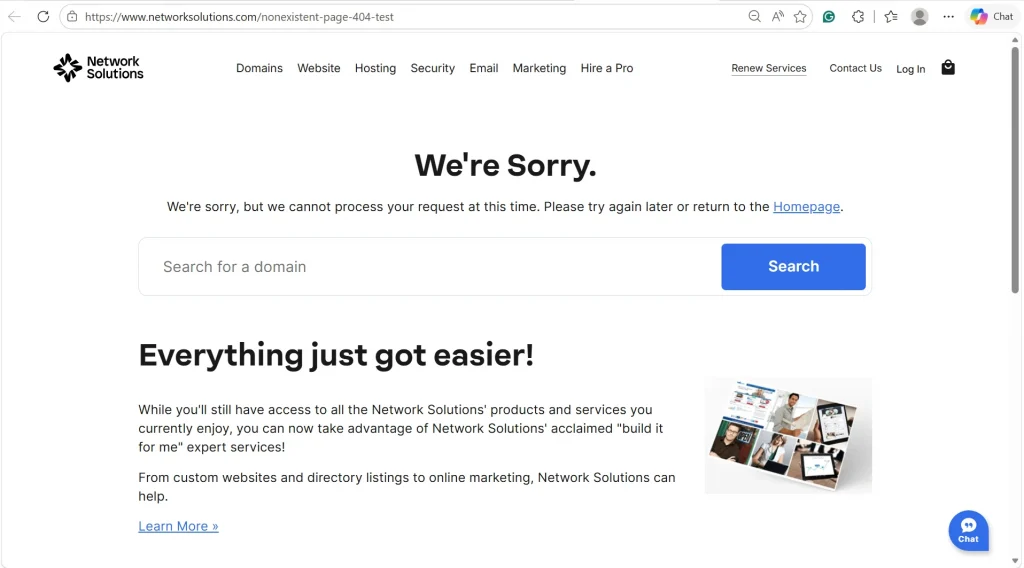
- Broken links and outdated buttons: You might find links that lead to blank error screens, or buttons promoting a sale that ended three years ago. They create a poor user experience and signal to visitors that you don’t pay attention to detail.
- Confusing navigation: If users can’t navigate easily to find your phone numbers or service list, they leave immediately.
- Missing HTTPS and expired SSL certificates: Look at your address bar. If you don’t see a padlock, your Secure Sockets Layer (SSL) certificate likely expired. Missing encryption undermines your website’s performance because modern browsers block access to unsecured pages.
- Vulnerable backend technology: Older websites often lack the modern technology needed to protect visitor data. A poor website environment leaves your business vulnerable to cyber threats.
You can fix broken links or replace an old call to action yourself with just a few clicks. However, security gaps and structural navigation flaws require dedicated technical support.
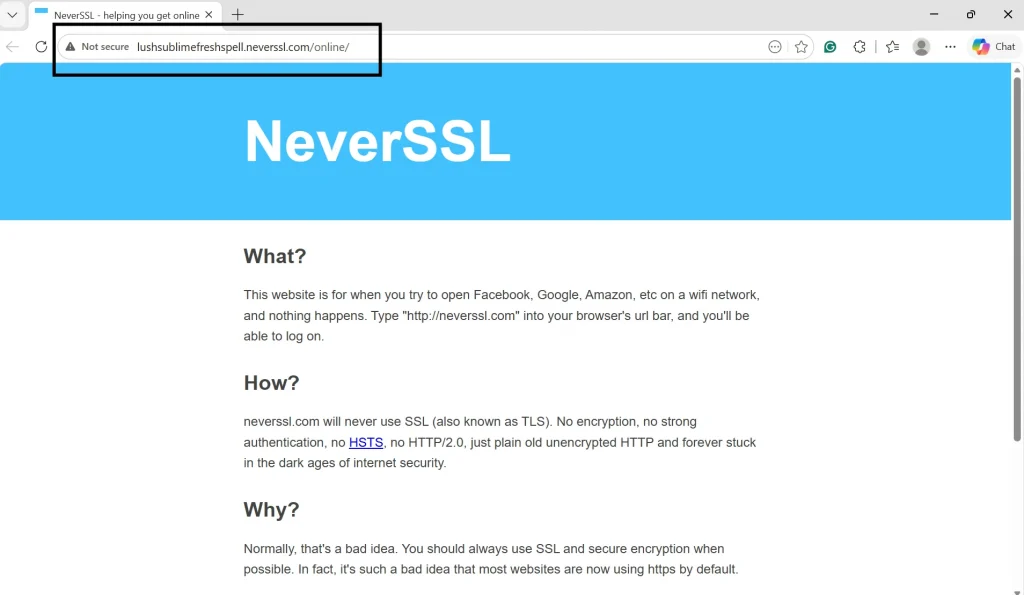
When building websites, modern developers prioritize data security above all else. Fixing these deeper foundation issues usually involves talking to your provider about updated hosting plans and securing a new SSL certificate to protect your buyers.
Is your connection secure?
Protect your visitors and stop browser security warnings with an SSL certificate.

Frequently asked questions
You should redesign your website when it no longer aligns with your business goals. It’s time for a website overhaul if you’re experiencing a drop in website traffic, a poor user experience, or an outdated website design that misrepresents your brand.
Before making any major structural changes, clearly define your new goals and review your current performance metrics. Run a health check to see exactly what works right now, gather your updated branding materials, and outline the exact journey you want your next buyer to take.
Businesses must update their digital storefronts to stay competitive, improve user engagement, and ultimately increase sales. An outdated platform drives potential customers away, whereas a fresh layout builds immediate trust and positions you as a modern industry leader.
A refresh involves minor updates where the core structure remains the same. You might change a few photos, rewrite the service page, or update brand colors. A website redesign, on the other hand, changes the underlying technology, the navigation, and the overall layout. You choose a redesign when your website’s performance suffers from slow load times or deep security issues.
Start by reviewing your current metrics to see what needs improvement. Set clear goals, map out your new pages, and design a layout that works perfectly on mobile phones. Always test everything before you launch. For a complete roadmap, our guide to redesigning a website walks you through the entire 13-step process.
Most experts suggest updating your site every three to five years. Technology evolves quickly, and user expectations change. A layout that looked modern four years ago might feel completely broken on today’s mobile devices, so a regular checkup helps determine whether you need minor tweaks or avail website redesign services.
You can check your security status by looking at your web browser’s address bar. You should see a small padlock icon next to your web address, which indicates you have an active SSL certificate. If you see a warning that your connection is not secure, update your security settings immediately to protect your visitors.
The signs include pages that load very slowly, a layout that requires pinching and zooming on a phone, and a sudden drop in online leads. You might also notice broken links, outdated information, or a sudden decline in your search engine rankings.
Check your website now, so it keeps working for your business
Your online presence should support your business growth, not slow it down. And you don’t always need to tear everything down and start from scratch. Sometimes, a few targeted updates make a massive difference.
Start by running your URL through our SiteGrader to get a clear picture of your website’s performance. Once you know where you stand, you can decide on the best path forward.
If you don’t have a site yet or want to build a brand-new website from scratch, a website builder is an excellent starting point.
If your site suffers from slow speeds or security warnings, upgrading your hosting or installing a new SSL certificate provides immediate relief.
When you realize you need a complete website redesign to attract more users and potential customers, our custom web design services will build a new, modern foundation for your site. You can focus on growing your business while we redesign your site.
Taking the time to evaluate your digital health right now gives you a huge advantage. Fixing these core issues mid-year ensures your business finishes out the remaining months stronger and more profitable than before.